In a bid to turn the tide after a disappointing harvest, authorities in Las Tunas have set an ambitious goal of producing 38,000 tons of sugar in the upcoming harvest season. The previous campaign concluded with a mere 7,200 tons, underscoring the severe industrial and agricultural crisis afflicting the sector.
The Communist Party of Cuba (PCC) in Las Tunas has injected a significant political charge into the 2025-2026 harvest, labeling it a battle of "dignity, shame, and honor," as stated by Osbel Lorenzo Rodríguez, the first secretary of the Provincial Committee, during the organization's latest plenary session, according to the official newspaper 26.
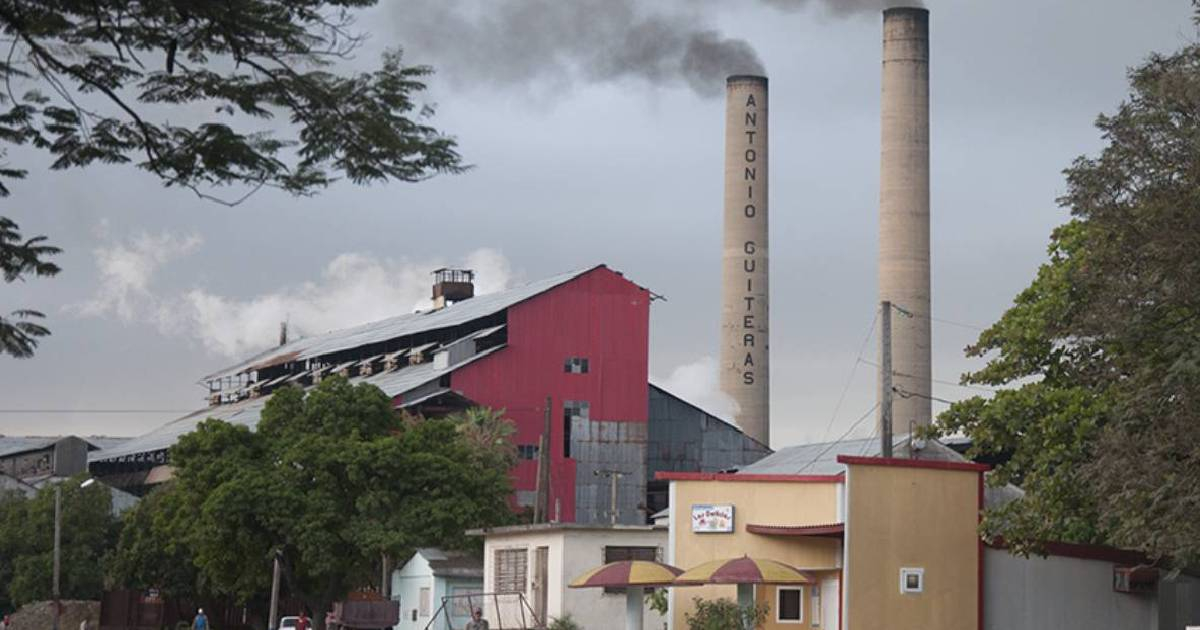
While the province aims to achieve a production of over 38,000 tons, this target starkly contrasts with the previous season’s output of just 7,200 tons. The Antonio Guiteras mill, which managed only 16% of its planned production, marked its worst performance on record.
Located in Puerto Padre, the Guiteras will be the sole mill operating in Las Tunas next year.
Challenges in Preparation and Workforce
Representatives from Azcuba and the agro-industrial company apprised the Plenary of the current state of preparations, which are hampered by critical repair pathways, resource limitations, and a weakened workforce due to production disruptions and the migration of workers seeking better pay and job stability.
Rafael Pantaleón Quevedo, the company's general director, acknowledged efforts to recruit and train staff and to attract workers from other mills to fill essential roles in the industrial process. Despite these efforts, the shortage of skilled labor remains a significant barrier to maintaining production levels.
Focusing on the Cane Base
The analysis also touched on the cane base's situation, which authorities see as the most critical link in the chain. Field recovery faces ongoing failures in planting plans and a lack of motivation among producers, who are discouraged by unharvested cane left to rot due to industrial bottlenecks.
Addressing Logistical and Operational Hurdles
The PCC's first secretary acknowledged objective issues, including shortages of fuel and lubricants, energy crises, and the poor condition of cane roads. These are compounded by subjective factors like inefficient use of work hours and lack of discipline, prompting the Party to call for increased political oversight and vigilance to prevent misappropriation of resources allocated for the harvest.
The Plenary also examined topics related to the territorial economic and social development strategy and priorities for 2026, amid the continuous decline of Cuba's sugar industry.
In the 2024-2025 harvest, Cuba produced under 150,000 tons of sugar, the lowest level in over a century. This figure fell significantly short of the projected 265,000 tons, highlighting the ongoing decline of an industry that was once the backbone of the nation's economy.
This downturn has been driven by scarcity of raw materials (sugarcane), frequent power outages, fuel shortages, and the deteriorating state of infrastructure.
Sugar Industry Challenges in Cuba
What is the production target for Las Tunas in the next sugar harvest?
Las Tunas has set a production target of 38,000 tons of sugar for the upcoming harvest.
Why is the sugar industry in Las Tunas facing a crisis?
The crisis is due to industrial and agricultural challenges, including a shortage of raw materials, energy issues, and a deteriorating infrastructure.
How did the Antonio Guiteras mill perform in the last harvest?
The Antonio Guiteras mill achieved only 16% of its production plan, marking its worst performance historically.
What measures are being taken to address the labor shortage in Las Tunas?
Efforts are being made to recruit and train new staff and to attract workers from other mills to cover key roles in the industrial process.