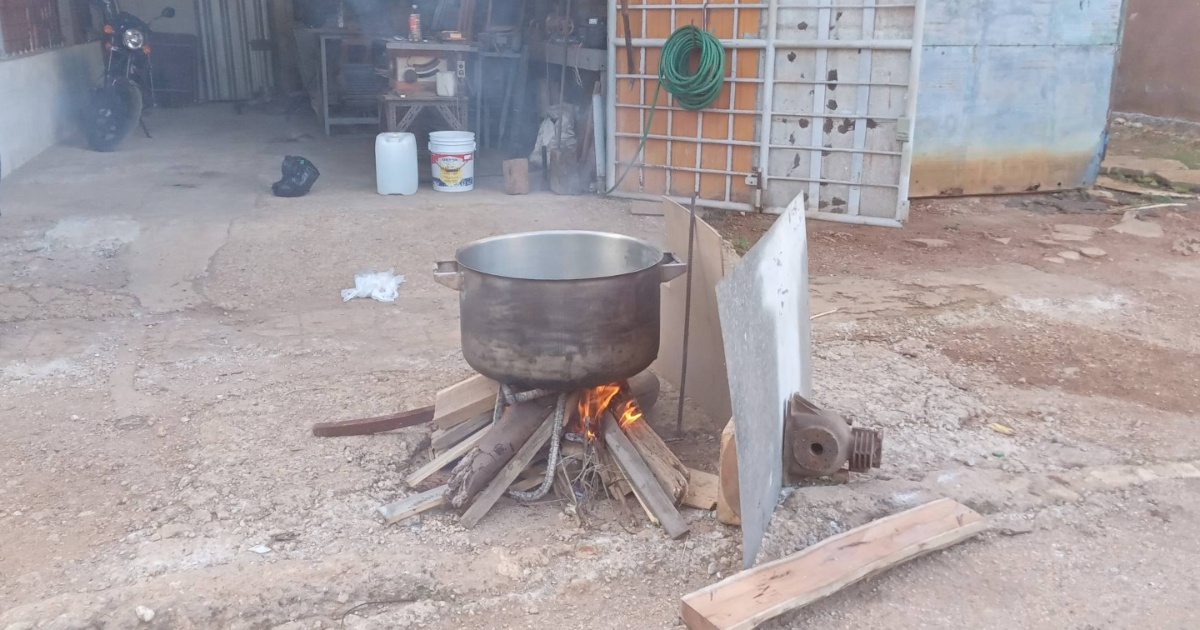
In the Mulgoba neighborhood of Boyeros, residents came together on December 24th to launch a community initiative inviting those without a meal to join them for Christmas Eve dinner.
Through posts on the local Facebook group "Barrio de Mulgoba," offers were made to provide food and even home delivery for those unable to travel.
One notable post was shared by Alexis Torriente, who stated, “Anyone without dinner can come to 166th Street in Mulgoba… you’re welcome here, don’t be shy. And if you can't make it, send me a private message and I’ll bring some over,” concluding with a heartfelt “Merry Christmas to all.”
In another post, Deinier Fabelo Martínez announced he was preparing a hearty stew for those “who have nothing to eat tonight,” directing people to meet at “168th Street between 379 and 385, at La Chusmita, corner of First Street.”
The posts sparked a wave of reactions and comments from fellow Cubans, many expressing gratitude for the gesture and highlighting the importance of solidarity during challenging times.
“My eyes teared up… may God bless you for this and for having such a big heart,” one user wrote.
Other comments emphasized “blessings,” “humanity,” and “a beautiful gesture,” underscoring the empathy shown toward those facing hardships.
Leading up to Christmas, food prices in Cuban markets had soared, reflecting the island's severe economic crisis.
Reports gathered by CiberCuba indicated significant increases in both imported and locally produced goods.
In private establishments, known as MIPYMES, imported rice ranges from 690 to 840 pesos per kilogram, while black beans reach up to 840 pesos for a 500-gram bag.
Imported coffee is priced between 2,100 and 2,200 pesos per package, and sugar sells for 290 to 300 pesos per pound.
Regarding meats, pork loin is available for 1,150 to 1,300 pesos per pound, with pork leg at 1,150 pesos and ground meat at 320 pesos per pound.
Chicken breast — a highly sought-after product during the holidays — costs between 4,500 and 5,100 pesos for a 2-kilogram package, while a 2.5 kg package can reach 6,100 pesos. A whole chicken is offered at 2,200 pesos for 1.3 kilograms.
A carton of 30 eggs is sold for 3,000 pesos, or 100 pesos per egg — a price out of reach for many Cubans, whose average monthly salary is around 5,000 pesos.
As Christmas Eve approached, the Cuban table starkly reflected the country's harsh economic reality, marked by food shortages, inadequate wages, darkness, and the empty chairs of loved ones who couldn’t be there.
Understanding the Economic Crisis in Cuba During Christmas
Why did Mulgoba residents open their homes on Christmas Eve?
Residents of Mulgoba wanted to ensure that no one in their community went hungry on Christmas Eve, offering meals and even delivery services for those unable to travel.
What were the food price trends in Cuban markets during the holiday season?
Food prices in Cuban markets saw significant increases, with both imported and locally produced goods becoming more expensive, reflecting the country's deepening economic crisis.
How did the community react to the initiative in Mulgoba?
The community responded with gratitude and appreciation, with many highlighting the importance of solidarity and empathy during these challenging times.