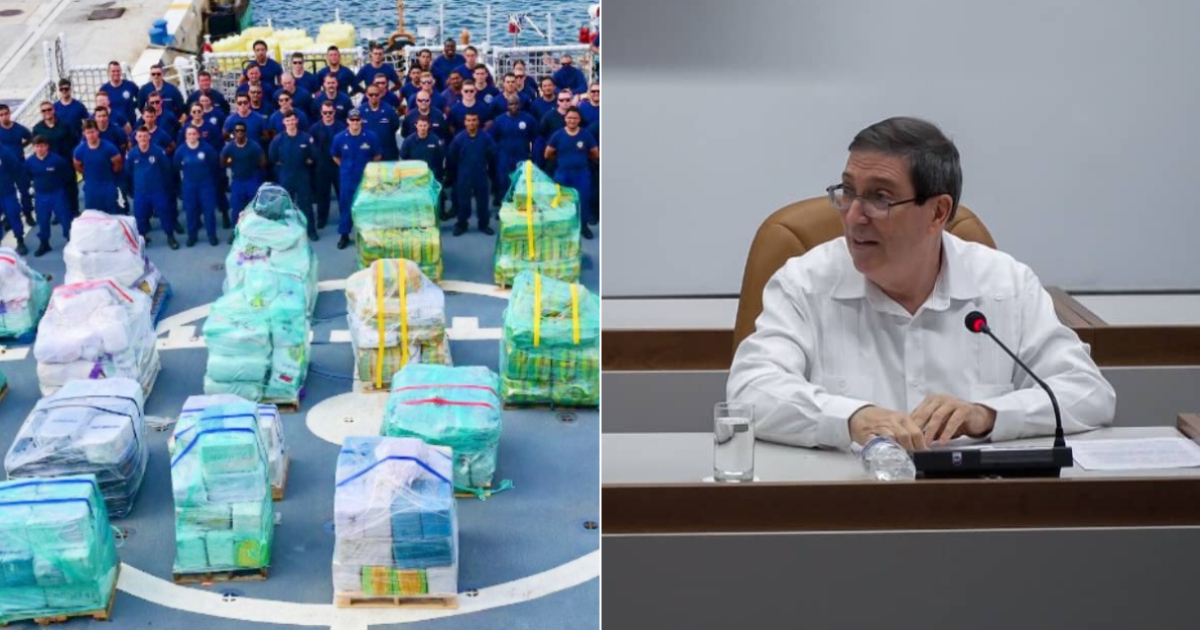
The Cuban regime has pointed fingers at the United States healthcare system and pharmaceutical companies for the ongoing fentanyl crisis. In a recent statement, Foreign Minister Bruno Rodríguez Parrilla accused Washington of using the drug issue as a political and geopolitical tool.
Using the social media platform X, Rodríguez acknowledged the seriousness and reality of fentanyl consumption in the U.S., affecting hundreds of thousands. Nevertheless, he argued that labeling the synthetic opioid as a weapon of mass destruction is merely a tactic by the U.S. government to justify military interventions, overthrow sovereign governments in Latin America and the Caribbean, and seize natural resources.
Rodríguez claimed, "The goal is to ignore the multifactorial origins of drug use and conceal the malpractices of pharmaceutical corporations in the U.S." He also cited indiscriminate opioid prescriptions, a vast domestic narcotics market, high healthcare costs, limited access to medical care, and socioeconomic vulnerabilities of the American population as contributing factors.
Interestingly, Rodríguez did not address the role of Havana's allies, such as Venezuela, in regional drug trafficking routes or the impact of drug trafficking within Cuba itself. The Cuban government has acknowledged a rise in drug consumption and circulation, especially among the youth.
According to official U.S. data reported by the BBC, over 110,000 drug-related deaths occurred in 2023, largely linked to fentanyl—a substance up to 50 times more potent than heroin—whose spread seemed relentless.
However, 2024 saw a notable shift: overdose deaths in the United States decreased by approximately 25%, equating to nearly 30,000 fewer fatalities, or dozens of lives saved daily, based on preliminary figures.
Experts credit this decline to a mix of factors, including increased access to naloxone, prevention campaigns, changes in drug supply, and more aggressive actions against trafficking networks. These aspects were conspicuously absent from the Cuban regime's narrative.
The statement from Havana fits into a recurrent theme of shifting external blame while avoiding internal structural issues and the regional impact of drug trafficking, even in nations governed by political allies of the Castro regime.
Understanding the Fentanyl Crisis and Cuba's Stance
Why does the Cuban regime blame the U.S. healthcare system for the fentanyl crisis?
The Cuban regime alleges that the U.S. healthcare system, alongside pharmaceutical companies, facilitates the fentanyl crisis through practices like indiscriminate opioid prescriptions and limited access to affordable healthcare. They argue these factors contribute to the widespread drug problem.
What changes occurred in 2024 regarding fentanyl-related deaths in the U.S.?
In 2024, the U.S. experienced a significant reduction in fentanyl-related overdose deaths, with rates dropping by about 25%. This decline is attributed to increased access to naloxone, effective prevention campaigns, and enhanced measures against drug trafficking networks.
How does the Cuban regime's statement fit into its broader narrative?
The statement aligns with Cuba's habitual strategy of deflecting blame onto external factors, particularly the U.S., while neglecting internal challenges and the influence of drug trafficking in the region, including within its own borders.