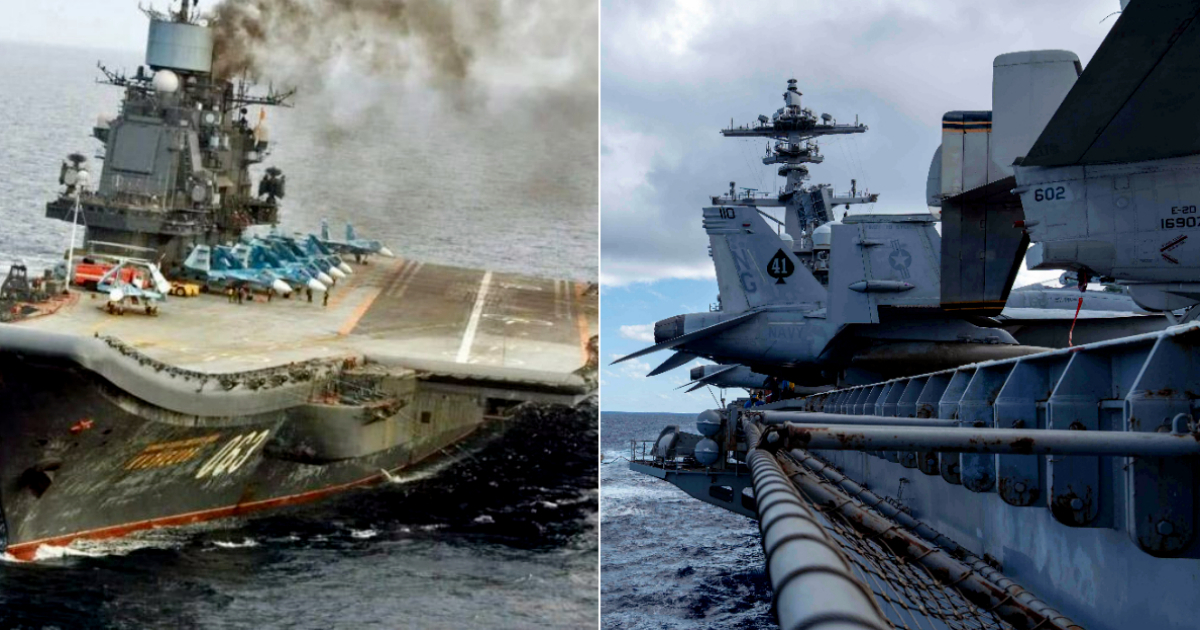
On December 22, the Russian Ministry of Foreign Affairs announced that Foreign Minister Serguei Lavrov engaged in a phone conversation with Venezuelan Foreign Minister Iván Gil. During this call, both expressed significant concern over the increasing actions by Washington in the Caribbean Sea. According to Moscow, these actions pose a threat to regional stability and international navigation.
An official statement from the Russian Foreign Ministry highlighted Lavrov's commitment to providing "comprehensive support and solidarity with the leadership and people of Venezuela." This comes amid escalating tensions between Caracas and Washington, marked by recent U.S. military exercises near Venezuelan shores and President Donald Trump's warnings against Nicolás Maduro's regime.
The ministers agreed on the importance of maintaining close coordination, both bilaterally and multilaterally, particularly within the United Nations, to uphold the sovereignty of states and prevent interference in their internal affairs, as noted by the Russian ministry.
Moscow's support surfaces just a week after the Kremlin accused the U.S. of deliberately instigating a crisis in the Caribbean, amidst a hardening stance from Washington towards Maduro's allies. Earlier this week, Trump issued a stern warning, suggesting that if the Venezuelan leader "acts tough, it will be his last time," indicating that the White House is considering stronger measures against Caracas.
In response, Venezuela has strengthened its ties with Russia, China, and Iran, seeking political and military backing against what it describes as an "imperialist threat." In November, Venezuelan state media confirmed discussions with Moscow regarding potential anti-aircraft missile supplies and technological cooperation, while the Kremlin reiterated its "commitment to Caribbean stability and security."
International analysts view the alliance between Russia and Venezuela as part of the Kremlin's strategy to expand its influence in Latin America and counteract U.S. foreign policy in the region. However, this growing relationship has been criticized by Venezuelan opposition figures and Western observers, who warn of Maduro's increasing reliance on Russian military and financial support.
With this latest declaration, Moscow reinforces its backing of Caracas and joins the confrontational rhetoric against the United States, creating a tense landscape reminiscent of Cold War geopolitical dynamics.
U.S.-Venezuela Relations and International Concerns
What actions by the U.S. have caused concern for Russia and Venezuela?
The U.S. has conducted military exercises near Venezuelan coasts and issued warnings against Nicolás Maduro's regime, which Russia and Venezuela view as threats to regional stability and international navigation.
How is Venezuela responding to perceived threats from the U.S.?
Venezuela is strengthening its alliances with Russia, China, and Iran, seeking political and military support to counteract what it considers an imperialist threat from the U.S.
Why is the Russia-Venezuela alliance significant?
The alliance is part of Russia's strategy to expand its influence in Latin America and challenge U.S. foreign policy, while also providing Venezuela with crucial military and financial support.