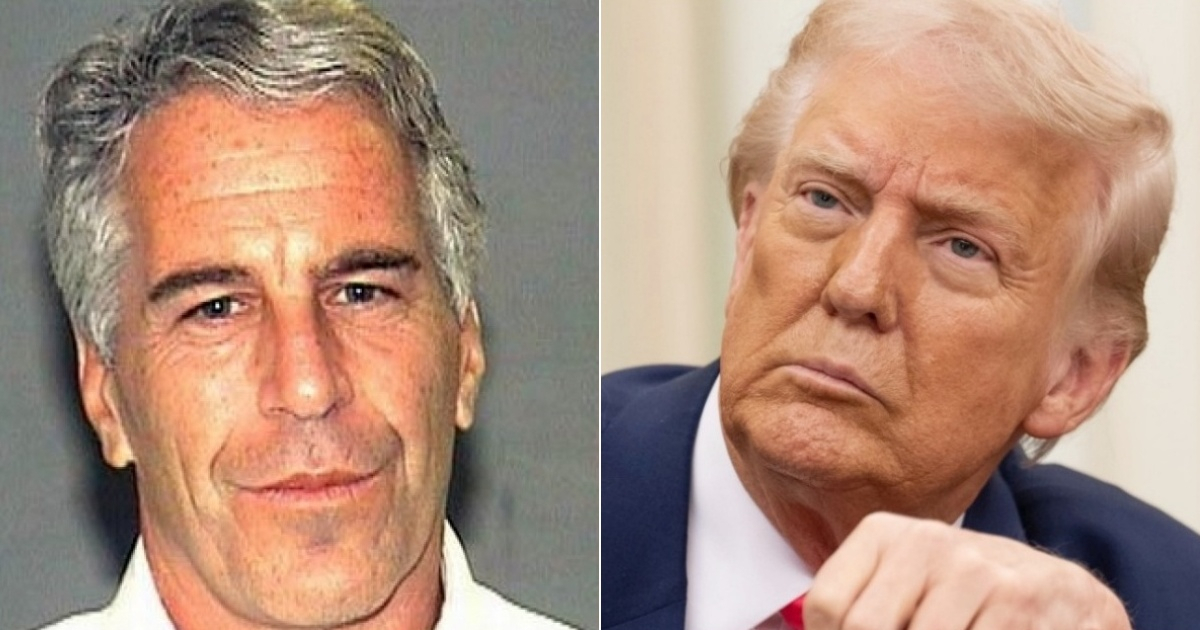
In a curious turn of events, at least 16 files connected to the notorious financier and convicted sexual predator, Jeffrey Epstein, vanished from the U.S. Department of Justice's website less than a day after being made public.
The disappearance was discovered on Saturday, December 14, 2025, just a day after the documents were released under a newly enacted congressional mandate. No announcements or prior warnings accompanied the removal.
Among the missing documents was a photograph featuring President Donald Trump, Epstein, Melania Trump, and Ghislaine Maxwell, according to reports from the Associated Press.
This unexpected omission has sparked fresh suspicions regarding the official handling of the Epstein case and the possible shielding of influential individuals. Many observers interpreted this unexplained removal as a form of deliberate censorship.
“What else is being concealed? We need transparency for the American public,” demanded the House Oversight Committee in a post on X, specifically addressing the missing image of Trump.
The Missing Files: What Did They Reveal?
The vanished files reportedly included images of artwork featuring nude women and a photograph taken inside one of Epstein's residences, displaying a collection of portraits on a sideboard. Within a partially open drawer was the now-controversial image of Trump with Epstein and two of his close associates.
The removal of these materials, occurring just after the congressional deadline for full document release, not only reignited the scandal but also intensified perceptions of institutional opacity. As of now, the Department of Justice has remained silent, offering no statements or clarifications, and has yet to disclose whether the removal was intentional, an error, or a temporary measure.
Censored Documents and Shallow Revelations
Despite the anticipation surrounding the release, the initially published files provided little new insight into Epstein's crimes or the prosecutorial decisions that favored him over the years. Instead of shedding light, much of the content—though extensive—proved repetitive, decontextualized, or heavily redacted.
One of the most glaring omissions was the absence of FBI interviews with victims and internal DOJ memorandums that could explain why, in 2008, Epstein was allowed to plead guilty to a single minor state charge related to prostitution despite numerous testimonies from sexually abused minors.
Jennifer Freeman, an attorney representing Maria Farmer—one of the main accusers in the case—expressed disappointment that, even after years of pressure, transparency remains partial. "It's a triumph and a tragedy. It seems the government did absolutely nothing. Horrible things happened, and if they had investigated even minimally, they could have stopped it," she noted.
Selective Imagery: Trump, Clinton, and the Uneven Focus
The initial release highlighted a stark disparity in the graphical representation of political figures linked to Epstein. While images of former President Bill Clinton were plentiful—including unseen photos with celebrities like Michael Jackson and Diana Ross—those of Donald Trump were scant, and the few that appeared, such as the one now removed, were quickly erased without explanation.
These photos, though lacking explicit legal significance, document social connections that have long been downplayed or denied. The selective removal of these images reinforces perceptions of narrative manipulation and official story control.
Frustrating Delays and Ongoing Doubts
The law mandating the release of these files was driven by survivors and lawmakers seeking accountability after decades of cover-ups. However, the DOJ has argued that the publication will be "gradual," citing the need to protect identities and sensitive personal data. Nevertheless, many victims perceive this approach as yet another form of delay.
“I feel like once again the DOJ, the justice system, is failing us,” declared Marina Lacerda, one of the women who claims to have been abused by Epstein since she was 14.
The opacity persists: no new release date for the documents has been communicated, nor has there been an explanation for the removal of already available files. Meanwhile, intrigue regarding Epstein's connections with powerful figures continues to grow.
Conclusion: Transparency or Cover-Up?
The Epstein case remains a dark mirror reflecting the contradictions of the U.S. judicial system. The mysterious disappearance of files—including a compromising photograph for Trump—only adds to the suspicions surrounding a process already marked by decades of institutional failures, secret deals, and unequal justice.
Rather than closing a chapter, the partial and censored release of documents seems to have opened another, even murkier one. As attorney Jennifer Freeman stated: "If they had investigated even minimally, they could have stopped it." The lingering question is: who is still being protected today?
Questions About the Epstein Files Disappearance
Why were the Epstein files removed from the DOJ website?
The Department of Justice has not provided an explanation for the removal of the Epstein files, leaving it unclear whether it was an intentional act, a technical error, or a temporary measure.
What was included in the removed documents?
The removed documents included images of artwork featuring nude women, a photograph from one of Epstein's residences, and a controversial image of Donald Trump with Jeffrey Epstein and associates.