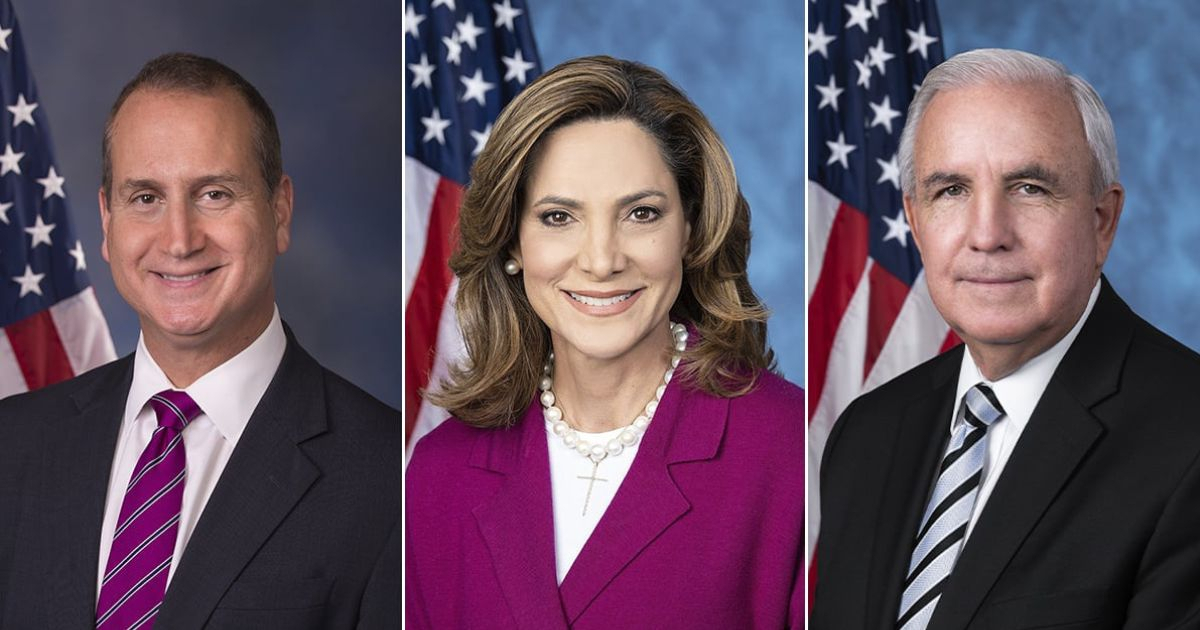
In a recent decision, Cuban-American Congress members María Elvira Salazar, Mario Díaz-Balart, and Carlos Giménez, collectively known as "the Miami Three," voted against extending Obamacare subsidies. This move could potentially lead to a significant increase in health insurance premiums for approximately 22 million Americans starting January 2026.
Both the House of Representatives and the Senate, currently controlled by Republicans, have adjourned until the following year without reaching an agreement to continue federal assistance that helps lower the costs of Affordable Care Act (ACA) policies, commonly referred to as Obamacare, according to NBC News.
The legislative impasse places the subsidies, approved during the pandemic and set to expire on December 31, in jeopardy. These subsidies have been crucial for millions of middle-class and working families, notably in Florida, the state with the highest number of Obamacare enrollees.
While four moderate Republican congressmen—Brian Fitzpatrick, Rob Bresnahan, Ryan Mackenzie (from Pennsylvania), and Mike Lawler (from New York)—joined forces with Democrats to push for an emergency vote in January, the Miami-based Cuban-American legislators stood with the Republican leadership and House Speaker Mike Johnson (R–Louisiana), who opposes renewing the funds.
This strategy by the moderate Republicans, known as a discharge petition, aims to compel a bipartisan vote on a three-year extension of the subsidies. This measure would help stabilize premium costs while structural health system reforms are negotiated.
However, representatives Salazar, Díaz-Balart, and Giménez refused to support the initiative, a decision that has already sparked significant criticism among voters in their South Florida districts, where hundreds of thousands rely on the ACA for affordable healthcare coverage.
According to NBC News, the absence of an agreement will result in increased insurance premiums starting in January, directly affecting households dependent on federal subsidies.
Senator Chuck Schumer (D–New York) warned that once the premium hikes take effect, reversing them will be "very difficult."
Meanwhile, several Senate Republicans, including Lisa Murkowski and Mike Rounds, have acknowledged the need for a temporary subsidy extension to prevent "an economic blow to millions of families."
Democrats intend to leverage this issue as a campaign tool in the 2026 midterm elections, reminding voters that Republicans—including the Miami congressmen—have once again targeted Obamacare, endangering the healthcare coverage of millions of Americans.
The healthcare debate coincides with the ACA's open enrollment period, ending on January 15, 2026, amidst President Donald Trump's renewed push to lower drug and private insurance prices through direct agreements with pharmaceutical companies and insurers.
Impact of Obamacare Subsidy Vote
What could be the consequences of not extending Obamacare subsidies?
Failing to extend the subsidies may lead to a significant rise in health insurance premiums, impacting millions of Americans who rely on these subsidies for affordable healthcare coverage.
Why did the Cuban-American Congress members vote against the subsidy extension?
The Cuban-American Congress members aligned with Republican leadership, which opposes the renewal of funds, reflecting their stance against extending Obamacare subsidies.
How might this decision affect upcoming elections?
Democrats plan to use this issue in the 2026 midterm elections to criticize Republicans for risking healthcare coverage, potentially influencing voter perception and turnout.