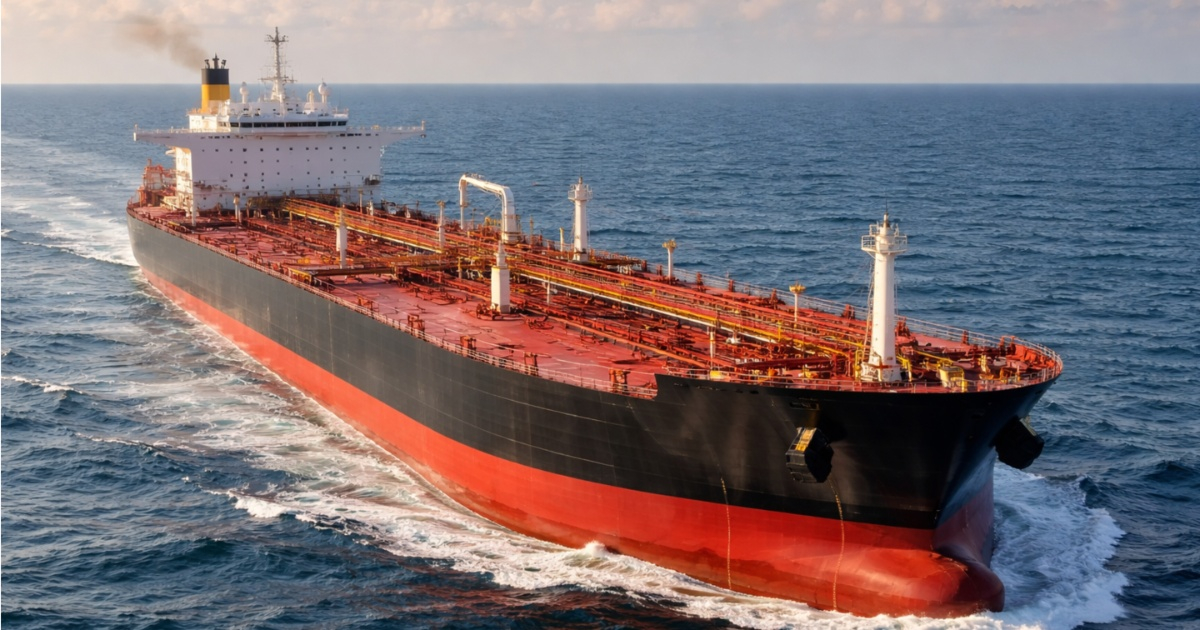
The United States Coast Guard has intercepted and seized a vessel in international waters off the coast of Venezuela, according to three U.S. officials who spoke to Reuters on Saturday under the condition of anonymity.
This operation comes just days after President Donald Trump declared a "total and complete blockade" targeting "all sanctioned oil tankers entering and leaving Venezuela."
Reuters reports this marks the second seizure of an oil tanker near Venezuela in recent weeks, coinciding with a significant U.S. military build-up in the area. However, the exact location of the operation was not specified by the officials.
Questions directed to the Coast Guard and the Pentagon were referred to the White House, which "did not immediately respond" to requests for comment, Reuters noted.
Since the initial seizure of a sanctioned tanker, there appears to be an "effective embargo," with vessels laden with millions of barrels of oil remaining in Venezuelan waters to avoid confiscation. This has reportedly led to a sharp decline in Venezuelan crude exports.
In the realm of crude transport, Reuters explained that while many ships lifting oil in Venezuela are sanctioned, others—including those carrying crude linked to Iran or Russia—are not. The report mentioned companies like Chevron that transport Venezuelan oil using their own "authorized" vessels.
The report also highlighted that China remains the largest buyer of Venezuelan crude, quoting analysts' estimates of shipment volumes in December. Since the U.S. imposed energy sanctions on Venezuela in 2019, buyers and refiners have resorted to a "shadow fleet" of tankers that obscure their locations. This fleet is considered vulnerable to potential punitive measures by Washington.
The report frames this action as part of Trump's pressure campaign against Nicolás Maduro, which includes increased military presence and actions against vessels near Venezuela. Maduro has claimed that the U.S. deployment aims to overthrow him and seize control of the country's oil resources.
President Trump announced a total oil blockade against Venezuela and a tightening of deportations on Tuesday, in a message on his social media platform, Truth Social, where he directly accused Maduro's regime of funding criminal activities with energy resources.
In his statement, Trump asserted that Venezuela is "completely surrounded" by military forces and warned that pressure will escalate until the country returns to the United States "all the oil, lands, and other assets" that he claimed were previously stolen.
The president reiterated his characterization of Maduro's government as an "illegitimate regime" and designated it as a foreign terrorist organization.
Key Questions on U.S. Actions in Venezuelan Waters
What prompted the U.S. to seize vessels off the coast of Venezuela?
The U.S. actions are part of a broader strategy to enforce a "total blockade" against sanctioned oil tankers associated with Venezuela, aiming to apply pressure on Nicolás Maduro's government.
How has Venezuela's oil export been affected by U.S. policies?
Venezuelan oil exports have reportedly plummeted due to an "effective embargo," with many vessels staying in Venezuelan waters to avoid seizure.
What impact do U.S. sanctions have on global crude transport?
U.S. sanctions have led to the emergence of a "shadow fleet" of tankers that conceal their locations, posing risks of potential punitive actions from Washington.