The severe viral epidemic affecting thousands of Cubans has now caught the attention of international media, which unanimously agree on the collapse of the country's healthcare system.
Renowned outlets like BBC, Univisión, and El País have released reports exposing the failure of Cuba's healthcare infrastructure amid the surge of dengue, chikungunya, and oropouche cases—three mosquito-borne diseases spreading uncontrollably.
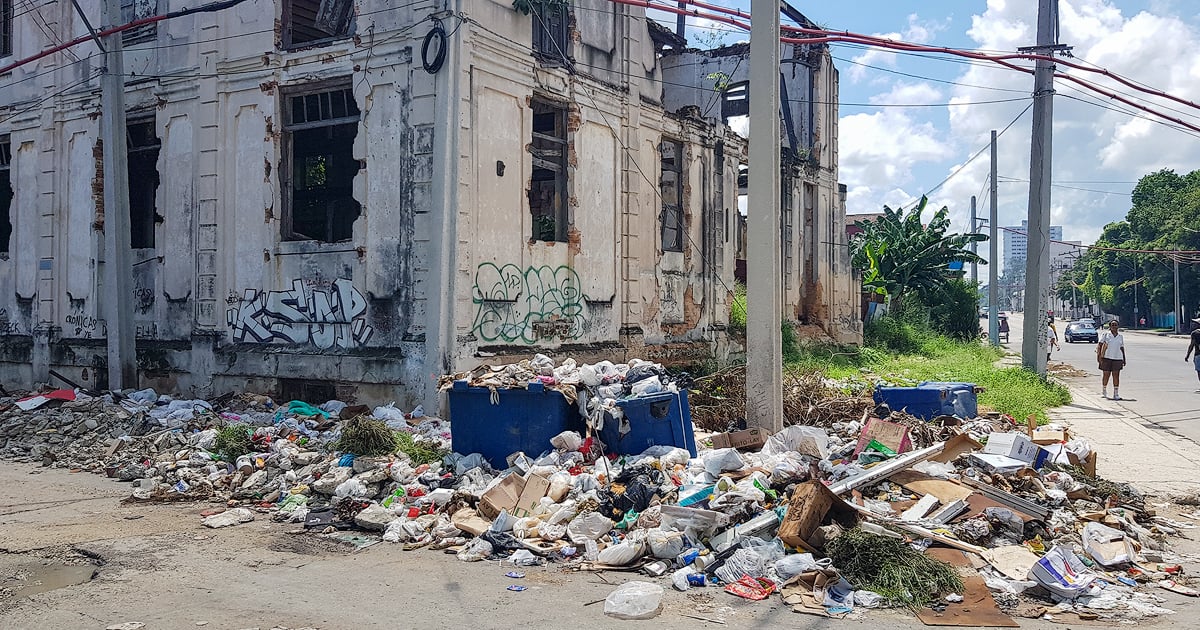
In a recent report titled "It's Like a Zombie City: Cuba's Severe Viral Disease Epidemic," BBC News Mundo paints a grim picture of patients writhing in agony, hospitals devoid of medications, and neighborhoods littered with trash and stagnant water, where the Aedes aegypti mosquito breeds rampantly.
The article quotes Cuban journalist Yirmara Torres, who recently wrote, "Matanzas today looks like a city of zombies... we are hunched over, in pain. Just stepping outside, you can see it."
"The virus" is the most dreaded threat facing Cubans today, already suffering from shortages of food, medicine, and electricity, BBC emphasizes.
The international media coverage has laid bare what the regime tries to downplay: the healthcare system's collapse and the lack of transparency in handling epidemiological data.
According to the Ministry of Public Health (MINSAP), at least 47 people have died from "arboviruses," although experts and activists argue that the actual number could be much higher.
"People prefer staying home and self-medicating rather than going to hospitals without medicine or proper conditions," a professor in Havana told the BBC.
The report also highlights hospitals lacking gloves, syringes, and antibiotics, forcing patients to turn to the informal market or rely on shipments from relatives abroad for treatment.
The stark contrast between the official narrative—touting Cuba as a "medical powerhouse"—and the grim reality has sparked outrage among Cubans.
Complaints from patients and doctors are proliferating on social media, while the regime continues to blame the U.S. "blockade" for the healthcare crisis.
However, images of dilapidated hospitals, trash-laden streets, and unfumigated neighborhoods contradict the official propaganda.
"When the power goes out and you can't use fans, mosquitoes come in and bite you," a young engineer from Havana shared.
"With garbage on the corners and stagnant water, all of this leads to more mosquitoes and diseases," he emphasized.
The BBC points out that the arbovirus outbreak hits as Cuba's healthcare system faces its worst historical moment: lacking resources, with poorly paid professionals—earning about $30 a month at the real exchange rate—and a massive exodus of doctors leaving hospitals empty and services shuttered.
Organizations like the WHO and PAHO have confirmed that Cuba has increased epidemiological surveillance and fumigation campaigns, but acknowledge that poor sanitary conditions and lack of infrastructure facilitate virus spread.
The epidemic can no longer be hidden. Images of empty streets, sick people confined to their homes, and medicine-deprived hospitals have become symbols of the failure of the Cuban socialist model, which for decades boasted of being a "medical powerhouse."
Cuba's Healthcare Crisis and Viral Epidemic: Key Questions Answered
What diseases are contributing to the healthcare collapse in Cuba?
The healthcare collapse in Cuba is largely due to an increase in cases of dengue, chikungunya, and oropouche, all of which are mosquito-borne diseases.
Why are Cubans avoiding hospitals during the epidemic?
Many Cubans are avoiding hospitals due to the lack of medicines and proper conditions, preferring to self-medicate at home.
What is the international community's response to the crisis?
International organizations like the WHO and PAHO have confirmed increased epidemiological surveillance and fumigation campaigns in Cuba but note that poor sanitary conditions hinder these efforts.