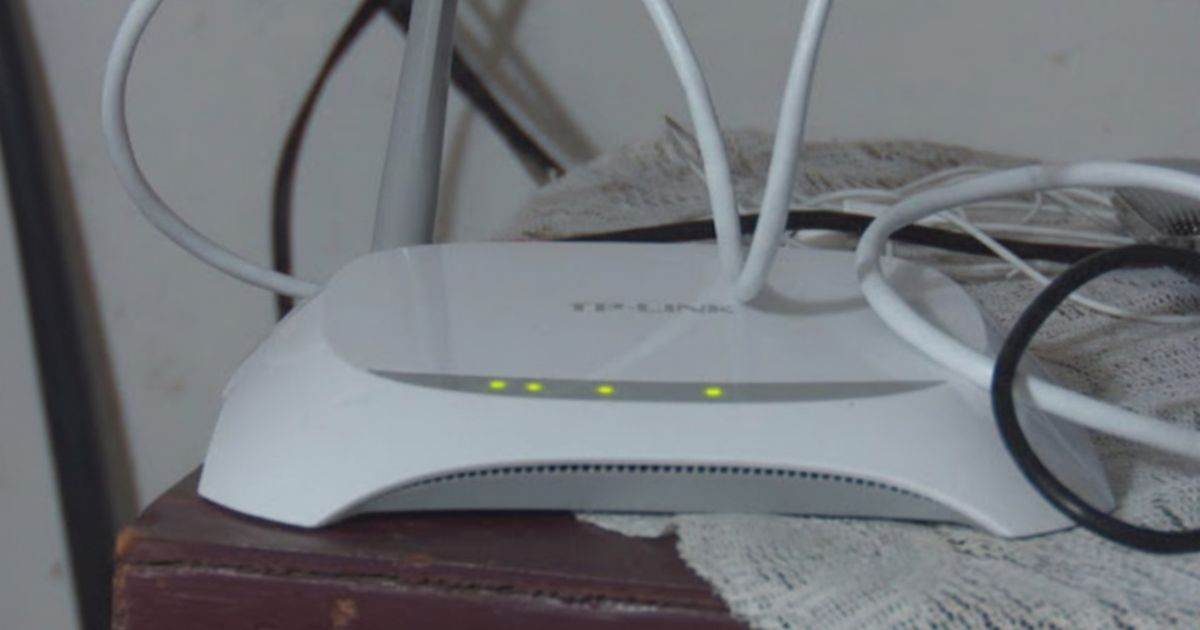
The Telecommunications Company of Cuba (ETECSA) has rolled out a new payment scheme for its Nauta Hogar service, allowing customers to browse the internet first and settle their bills later. This change was announced on Monday, addressing longstanding complaints from users who pay for connection hours they cannot utilize due to frequent power outages across the island.
As reported by the state-run media outlet Cubadebate, Lidia Esther Hidalgo Rodríguez, ETECSA's Vice President of Commercial Operations, acknowledged that the postpaid option aims to "make the service more flexible." However, this move primarily responds to criticism over the dysfunctional prepaid system and the constraints imposed by the ongoing energy crisis.
Pay-As-You-Go or Postpaid: New Choices for Internet Users
With the introduction of this option, customers now have the choice between the traditional prepaid model—where they pay upfront before accessing the internet—or switching to the postpaid model, which allows them to use their connection hours and pay at the end of the month. However, ETECSA has stipulated that users can only accumulate up to 1,080 unused hours, a restriction typical of the state-run company's approach to service.
Moreover, activating the new payment plan cannot be done online; users must visit ETECSA's commercial offices in person, perpetuating the bureaucracy and inconveniences characteristic of the state monopoly.
Persistent Challenges and User Frustration
During the announcement, the company revealed that 35% of its customers do not use all their contracted hours each month, mainly due to power cuts, travel, or technical issues—problems the company has repeatedly promised to address without success. This figure could worsen in the aftermath of natural disasters, such as hurricanes, which often damage communication lines.
ETECSA has stated that monthly bills will be available for review starting the 10th of each month, with payments accepted via Transfermóvil, Online Services, or directly at their offices.
Infrastructure and Future Prospects
Launched in 2016, Nauta Hogar currently serves around 305,000 users nationwide, while over 90,000 applications remain pending, a significant number according to company officials. ETECSA has admitted that its fixed network infrastructure is outdated and lacks the technical and financial resources needed to expand services at the pace demand dictates.
In June, amidst controversy over increased mobile service rates, ETECSA announced plans to introduce a new internet access model for homes, although it provided no specific details about its operation or pricing. At the time, Vice President Lidia Esther Hidalgo referred to the upcoming option as a summer announcement, aimed at adapting to various customer consumption patterns—a claim met with skepticism given the unpopular changes.
"Some users exhaust all available hours, others do not. We are introducing an offer we find quite interesting," Hidalgo stated. Despite the official rhetoric, the launch of the postpaid option appears more like a strategy to appease public dissatisfaction than a genuine service enhancement.
Amid daily blackouts, exorbitant costs, and an aging network, Cubans continue to pay steeply for a slow and unreliable internet connection.
Understanding ETECSA's Postpaid Option for Nauta Hogar
What is the new postpaid option for Nauta Hogar?
The new postpaid option allows customers to use their internet service first and pay for it at the end of the month, rather than paying in advance as required by the prepaid model.
How can customers activate the postpaid service?
To activate the postpaid service, customers must visit ETECSA's commercial offices in person, as it cannot be done online.
What limitations does ETECSA's postpaid option have?
The postpaid option allows for the accumulation of up to 1,080 unused hours, but no more. This is a restriction imposed by ETECSA.