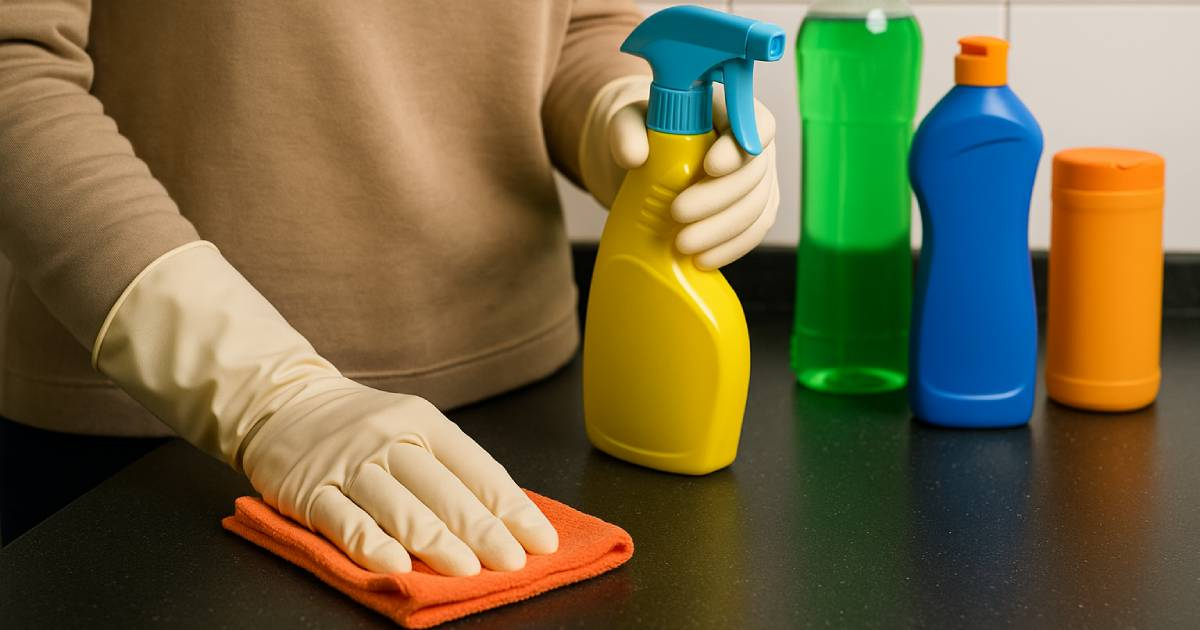
Rebeca, a 28-year-old Cuban, has spent the last four years trying to carve out a life in Spain. Residing in Ourense for the past three years, she earns her living by cleaning homes twice a week, without a formal contract and receiving cash payments.
Like Rebeca, countless Cubans and Latin Americans quietly support many European households, yet now they find their circumstances more precarious than ever.
The story of Rebeca was highlighted by La Región Ourense in a report that gives a face to the tangible effects of Spain's newly implemented Domestic Workers Law. For this young Cuban, instead of bringing improvements, the law has heightened fear and uncertainty among those relying on such employment.
"Everything sounds excessive and absurd," Rebeca shares with the Galician outlet. Despite being in regular immigration status and meeting all the requirements for a formal work contract, she has never been offered one.
She works "under the table," as it's commonly referred to, hoping her situation will one day become official. However, the new legislation has made her doubt that day will ever come.
The law introduces new responsibilities for employers, such as increased contributions, risk prevention plans, and specific training. Although the official aim is to dignify domestic work, many workers fear the opposite effect.
"This law will reduce job opportunities," Rebeca warns. The fear of heavy fines is prompting many families to refrain from hiring.
According to figures from Oxfam Intermón Foundation cited in the report, 69% of those employed in domestic service in Spain are either foreigners or have dual nationality. The majority are migrant women who, like Rebeca, rely on this income to survive, send remittances, or build a life far from their home countries.
For Rebeca, the issue extends beyond finances. She worries about the future and the years spent without contributing to social security. "In the end, these are years that haven't been accounted for, making retirement seem even further away," she laments. Yet, she feels the new legal framework doesn't safeguard workers but rather leaves them in a precarious position.
"Those who hire us need our services, and we need them to earn a living," she explains. "We contribute significantly to this society, but every day it becomes harder for us to work." In her view, the fines and demands "affect everyone" and ultimately punish those already in vulnerable situations.
Rebeca is contemplating leaving this job and seeking other options if she cannot secure a contract. Her story echoes the sentiments of many Cuban women in the diaspora, caught between the necessity to work, legal barriers, and the constant fear of being excluded from the system. A reality which, as she warns, leads to "everyone losing in the end."
Understanding the Impact of Spain's New Domestic Workers Law
What challenges do Cuban domestic workers face in Spain?
Cuban domestic workers in Spain face challenges such as lack of formal contracts, fear of job loss due to new legal requirements, and the struggle to contribute to social security, which impacts their future retirement plans.
How does the new law affect domestic workers in Spain?
The new law introduces stricter obligations for employers, such as higher contributions and risk prevention plans, which many fear will lead to reduced job opportunities as families opt out of hiring to avoid potential fines.