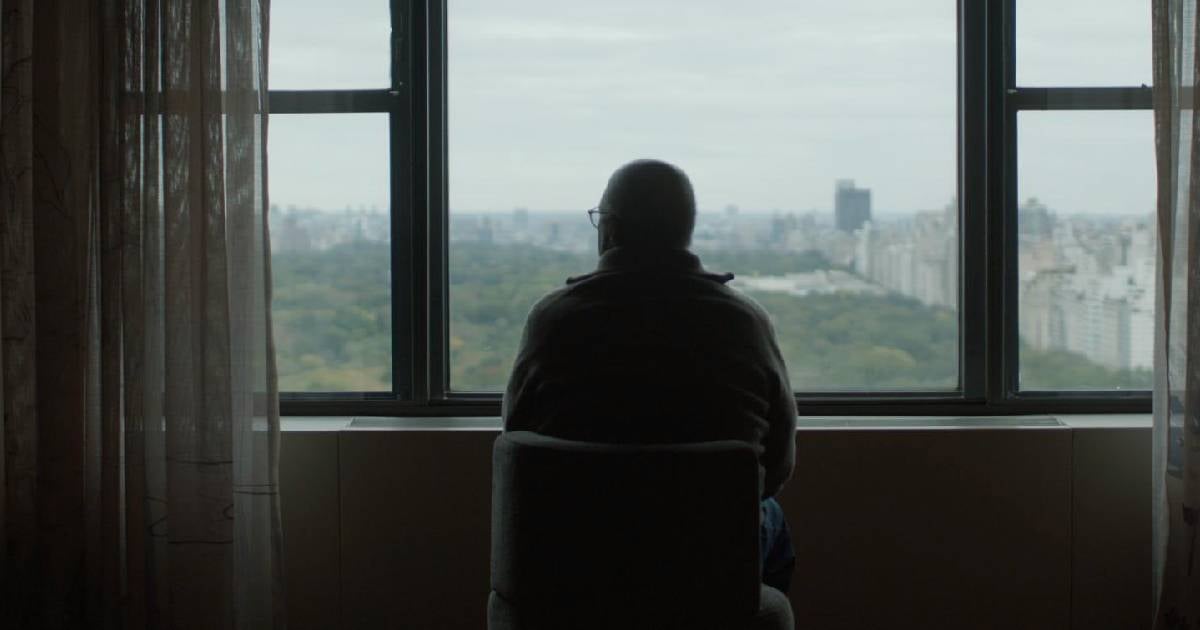
Renowned Cuban actor Luis Alberto Garcia has raised concerns about the exclusion of a documentary on Pablo Milanés from the Havana Film Festival, suggesting that the decision was driven by political motives rather than artistic merit.
In a Facebook post, Garcia expressed his disappointment that the documentary "Para vivir: el implacable tiempo de Pablo Milanés," directed by Fabián Pisani Álvarez, was left out of all sections of the event.
Garcia hinted that the exclusion might stem from ideological reasons, a practice not uncommon in the Cuban cultural scene.
"It's hard to believe that the Cuban documentary was excluded without censorship or political motives," Garcia commented, noting that although he wasn't part of the selection committee, he harbors "suspicions" based on previous experiences of censorship in Cuban cinema and theater.
Alongside producer Deymi D’Atri, Garcia pointed out that cultural authorities in Cuba often make decisions without leaving a paper trail, but their actions reveal a pattern of ideological control.
"I can't definitively say these were monumental acts of censorship, as I lack concrete evidence. But after many years in the industry and experiencing firsthand the dismissals and bans, I have my doubts," he reflected.
Garcia also highlighted how the documentary challenges the "vile falsehood" propagated by the regime's cultural officials against Milanés, labeling him a "traitor" for his open criticism of the Cuban system.
"In a country where everything is known, they have said it. That's how they view such an exceptional Cuban, greater than all of them combined," he stated.
The actor reminded that the documentary touches on sensitive topics for the official narrative, such as the UMAP, racism, censorship against the Pablo Milanés Foundation, and internal conflicts during his last concert at the Ciudad Deportiva.
"I suspect that precisely because the documentary portrays Pablo as an exceptional patriot, it wasn't deemed appropriate for public viewing," Garcia said.
He also criticized the institutional habit of hiding issues under silence: "Why sweep the dirt under the rug?"
"What shines with its own light cannot be extinguished. Its brightness can pierce through the darkness," he emphasized.
Garcia believes cultural censorship is "the worst blackout," a dystopia that only delays the inevitable: allowing the Cuban public to access works and documentaries that the regime seeks to suppress.
"Sooner or later, those living on this archipelago will find a way to watch the documentary," he assured.
Understanding Censorship in Cuban Film Industry
Why was the documentary on Pablo Milanés excluded from the Havana Film Festival?
According to Luis Alberto Garcia, the exclusion was likely due to political and ideological reasons, rather than artistic considerations.
What themes does the documentary on Pablo Milanés explore?
The documentary addresses controversial topics such as the UMAP, racism, censorship against the Pablo Milanés Foundation, and conflicts during his last concert.
How does Luis Alberto Garcia view cultural censorship in Cuba?
Garcia describes cultural censorship as "the worst blackout," hindering public access to important works and delaying inevitable cultural awareness.