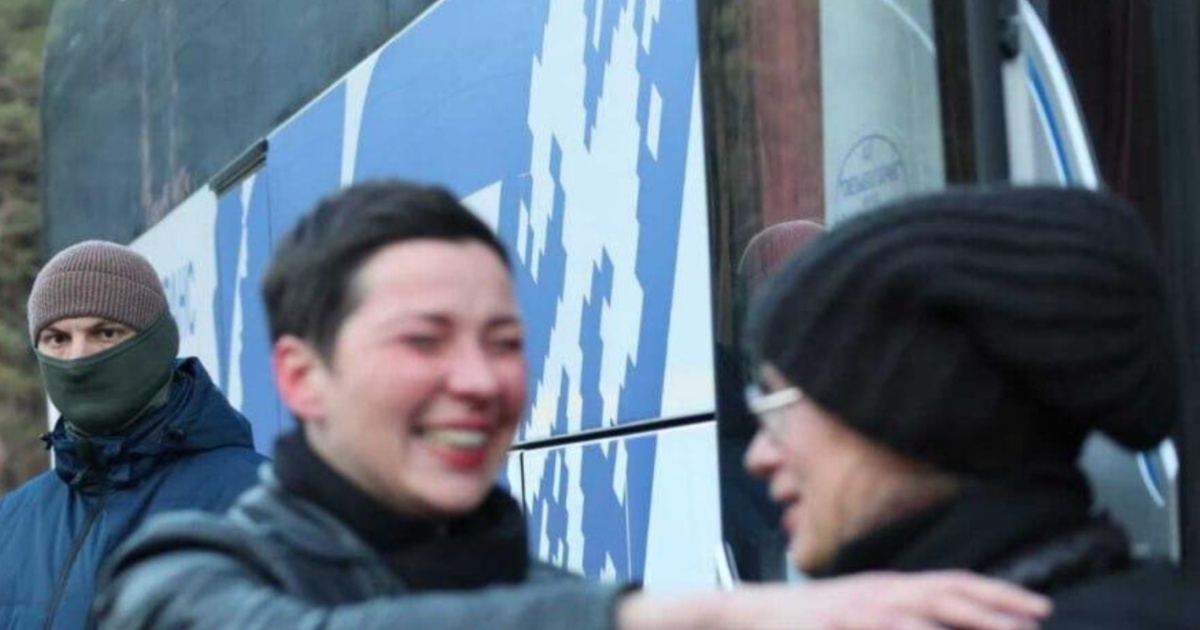
In a surprising move, Belarusian President Alexander Lukashenko has pardoned the 2022 Nobel Peace Prize laureate, Ales Bialiatski, along with two prominent opposition figures, Maria Kalesnikava and Viktor Babaryko. This development was reported by the human rights organization Viasna and confirmed through an official statement by the state agency BELTA.
The release followed discussions in Minsk over the past two days between Lukashenko and White House envoy John Cole, as noted by Viasna.
Concurrently, the Belarusian presidency announced pardons for 123 individuals of various nationalities. According to BELTA, this decision aligns with agreements reached with former U.S. President Donald Trump and is linked to the lifting of sanctions related to the potash sector.
Bialiatski, the founder and leader of Viasna, had been held incommunicado for an extended period after being transferred in May 2023 to the notorious Gorki prison, known for its harsh conditions. Amnesty International had persistently called for his release, highlighting his chronic health issues and reports of being forced to work six days a week, as well as enduring solitary confinement with limited access to packages and medication.
Regarding Maria Kalesnikava, she was initially a close associate of Babaryko and later of exiled opposition leader Svetlana Tikhanovskaya. Kalesnikava was arrested following the 2020 anti-government protests, during an attempt to forcibly deport her to the Ukrainian border. She famously tore up her passport to resist deportation. In 2021, she was sentenced to 11 years in prison for attempting to seize power.
Viktor Babaryko, a banker critical of the regime, was detained during the 2020 electoral campaign before he could officially enter the presidential race.
Among those released were other Viasna activists such as Valiantsin Stefanovich and Uladz Labkovich, along with lawyer Maxim Znak, Tut.by editor Marina Zolatava, and political analyst Alexander Feduta.
According to Viasna, the pardoned foreigners included Lithuanian Maria Batalionak, Polish Raman Haluza, Latvian Ala Sakalenka, Japanese Nakanishi Masatoshi, American Natalia Beslkaya, and Australian Aliaksandr Syrytsa.
The Belarusian presidency asserted, through BELTA, that this measure encompasses citizens convicted of various offenses, including espionage, terrorism, and extremism. The aim is to foster a “positive dynamic” in relations with international partners and aid in the “stabilization” of Europe.
The report further mentions that, since last month, Lukashenko has pardoned 156 citizens from countries such as the United States, the United Kingdom, Ukraine, Australia, Japan, Lithuania, and Latvia.
These pardons are seen in the context of the crackdown following the 2020 protests over alleged electoral fraud and subsequent sanction escalations due to Minsk’s support of Russia’s military actions in Ukraine.
Despite the recent pardons, human rights organizations maintain that over a thousand political prisoners remain incarcerated in Belarus.
Key Questions About Belarusian Pardons
Who was included in the recent pardons by Belarus?
Among those pardoned were Nobel laureate Ales Bialiatski, opposition figures Maria Kalesnikava and Viktor Babaryko, and several foreign nationals from countries such as Lithuania, Poland, Latvia, Japan, the United States, and Australia.
What prompted the recent pardons in Belarus?
The pardons were reportedly part of agreements made with former U.S. President Donald Trump, aiming to ease sanctions related to the potash sector and improve international relations.