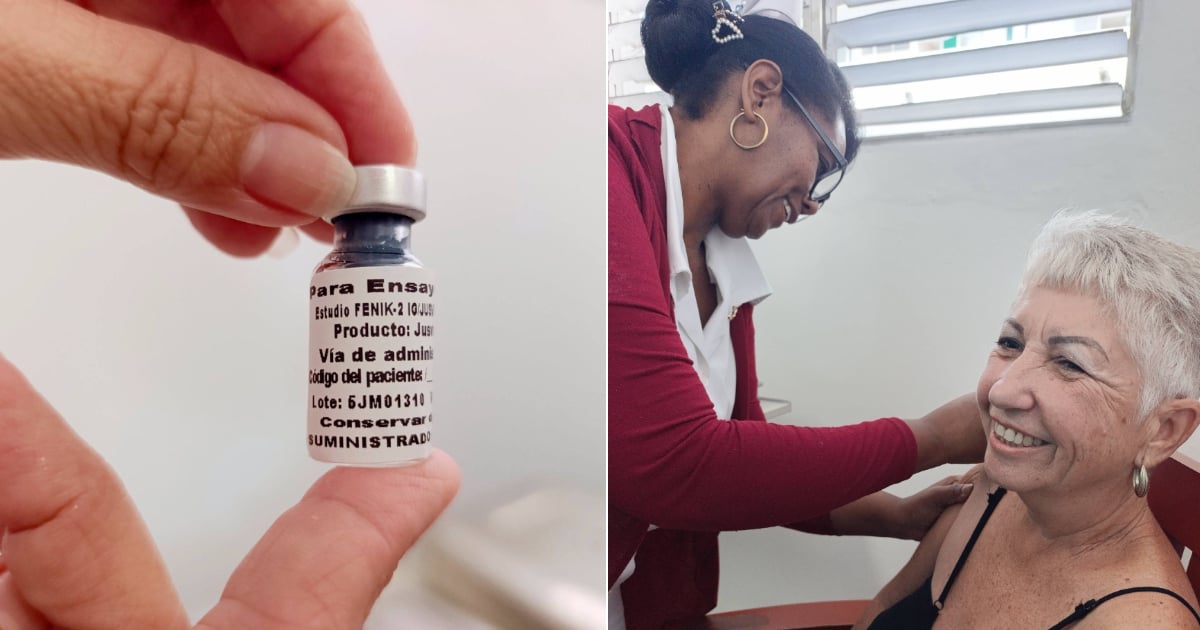
The Faustino Pérez Provincial Clinical Surgical Teaching Hospital in Matanzas has issued a call for volunteers to participate in a clinical trial aimed at testing the drug Jusvinza on patients suffering from long-term effects of chikungunya.
In a Facebook announcement, the hospital revealed that this study is part of the FENIK-2 project, spearheaded by the Faustino Hernández Hospital in collaboration with the Center for Genetic Engineering and Biotechnology (CIGB). According to the institution, the trial seeks to assess both the safety and therapeutic impact of Jusvinza on patients experiencing chronic chikungunya symptoms.
The hospital specified that the trial is open to individuals aged 19 to 80 who have been diagnosed with chikungunya and continue to experience persistent symptoms—such as joint pain, inflammation, or morning stiffness lasting over three months—after recovering from the disease. Participants will be divided into two groups: one will receive Jusvinza alongside standard treatment, while the other will continue with the Ministry of Public Health's conventional therapy, the hospital elaborated.
Study organizers emphasized that the trial is being conducted with a controlled, randomized design and adheres to strict methodological standards, ensuring that all participants receive specialized medical care and clinical monitoring.
The announcement sparked significant reactions on social media, with many expressing interest in joining the trial or sharing their ongoing struggles with the virus. "I can barely walk, I have arthritis and chronic chikungunya; can I participate?" asked one user. Another claimed to have been enduring stiffness, inflammation, and cramps for four months without relief.
Some individuals reported having received the drug in previous phases of the study. "I recommend everyone in the acute phase for more than three months to join the clinical trial... we've seen remarkable improvement, no pain, and we can walk," commented a participant, who praised the medical team and described the drug as "wonderful."
However, there were also skeptical voices. Critics labeled the trial as "using guinea pigs," while others lamented the lack of basic pain medications in pharmacies. Questions were raised about why the study is not extended to other provinces like Havana, which also have numerous patients with aftereffects.
This initiative by the Matanzas hospital aligns with another clinical trial launched by the Cuban government in early December, which is examining Jusvinza—a peptide with anti-inflammatory properties developed by the CIGB—for treating persistent joint issues caused by chikungunya.
According to official reports, the study includes 120 patients aged between 19 and 80, split into two groups of 60, and involves administering nine subcutaneous doses over six weeks, either on an outpatient or inpatient basis. The research is led by Dr. Yudisay Reyes Pelier, an Oncology specialist and member of the CIGB's Clinical Research Group.
The Jusvinza (CIGB-258) was previously approved during the COVID-19 pandemic for treating severe cases of systemic inflammation. Dr. Eulogio Pimentel, director of the CIGB, has advocated for its safety and effectiveness in chronic inflammatory diseases, although results from prior applications have not been published in peer-reviewed international scientific journals.
The Faustino Pérez Hospital's call for volunteers highlights both the efforts of Cuban science to find local solutions and the severe structural limitations of the healthcare system. In Matanzas and throughout the country, the scarcity of medications, lack of diagnostic resources, and hospital inadequacies exacerbate the challenges faced by those dealing with the virus's long-term impacts.
While authorities push for new clinical trials, many Cubans decry the inability to access basic pain relief or essential treatments. "We're willing to try anything, but there's not even paracetamol," lamented one user in the hospital's comments.
Chikungunya, spread by the Aedes aegypti mosquito, has left an increasing number of patients in Cuba with chronic pain. With no specific therapies available, interest in Jusvinza is growing among those seeking relief, although its efficacy against post-viral aftereffects remains unproven scientifically.
Cuban science strives to progress, yet public health continues to await structural solutions that extend beyond clinical trials and translate into tangible improvements for the population.
Understanding the Chikungunya Drug Trial in Cuba
What is the purpose of the Jusvinza clinical trial?
The Jusvinza clinical trial aims to evaluate the safety and therapeutic effects of the drug on patients suffering from chronic symptoms of chikungunya.
Who is eligible to participate in the study?
Individuals aged 19 to 80 who have been diagnosed with chikungunya and experience persistent symptoms for more than three months are eligible to participate in the study.
How is the trial structured?
The trial is designed as a controlled, randomized study with two groups: one receiving Jusvinza with conventional treatment and the other following the standard therapy of the Ministry of Public Health.