The Trump Administration reiterated its support for the Cuban people on Wednesday, condemning the regime of Miguel Díaz-Canel for its oppressive measures and accusing it of fearing the essential reforms needed to lift the nation from its dire circumstances.
In a statement released by the U.S. Department of State’s Bureau of Western Hemisphere Affairs (@WHAAsstSecty), the administration criticized the "ineffective and misguided bureaucracy" that is undermining Cuban society, stating that it dreads even considering the changes required to rescue the country from the lack of basic necessities such as food, electricity, and medicine.
The statement emphasized that instead of pursuing political or economic transformations, the regime resorts to its familiar tactic: imprisoning its citizens who dare to speak out against the suffering endured by the Cuban populace.
“The United States and our partners must continue to demand the freedom of these courageous political prisoners,” the statement added, featuring the hashtags #LibertadYa and #Todos. This message reflects the steadfast stance of President Donald Trump’s administration and Secretary of State Marco Rubio, who have upheld a policy of diplomatic pressure on the Cuban regime, highlighting its human rights abuses and alliances with authoritarian governments in the region.
The declaration arrives amid escalating repression in Cuba, where the regime persistently arrests and harasses activists, journalists, and independent artists.
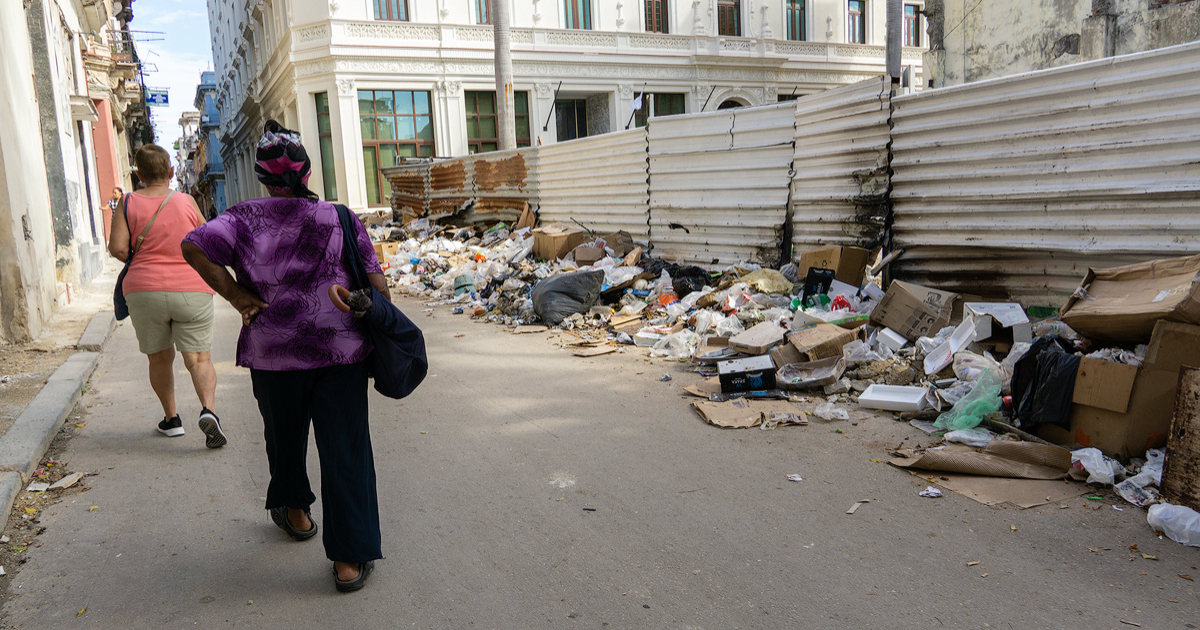
Meanwhile, the island faces an unprecedented economic crisis characterized by prolonged blackouts, food and medicine shortages, and a general collapse of public services.
International observers and human rights organizations agree that the Cuban Government has shown no willingness to implement structural reforms that could alleviate the population’s hardships.
The State Department reaffirmed that Washington will continue collaborating with regional partners to promote the freedom of political prisoners, support Cuban civil society, and bolster communication efforts to expose censorship and information control on the island.
This statement from the Trump Administration aligns with recent remarks from Congress and Secretary of State Marco Rubio, who has insisted that “the solution to the Cuban crisis will only be possible when the people have the freedom to determine their future without repression or fear.”
Cuba is currently enduring one of the most severe socio-economic crises in its recent history. The breakdown of the electrical system, rampant inflation, and chronic shortages of food and medicine have led to a state of emergency that the Government attempts to justify with the U.S. embargo, despite internal mismanagement and institutional corruption.
Meanwhile, opponents and activists continue to face arbitrary detention, surveillance, and censorship by state security forces.
Understanding the Cuban Crisis and U.S. Involvement
What is the current economic situation in Cuba?
Cuba is experiencing an unprecedented economic crisis marked by severe shortages of food and medicine, prolonged power outages, and a collapse of public services, exacerbated by internal mismanagement and a lack of reforms.
How is the U.S. responding to the repression in Cuba?
The U.S. is maintaining diplomatic pressure on the Cuban regime, demanding the release of political prisoners and supporting Cuban civil society while collaborating with regional partners to address human rights abuses.
What are the main criticisms of the Cuban regime by the Trump Administration?
The Trump Administration criticizes the Cuban regime for its oppressive actions, fear of needed reforms, and failure to address the basic needs of its people, such as food and medicine, while maintaining alliances with authoritarian governments.