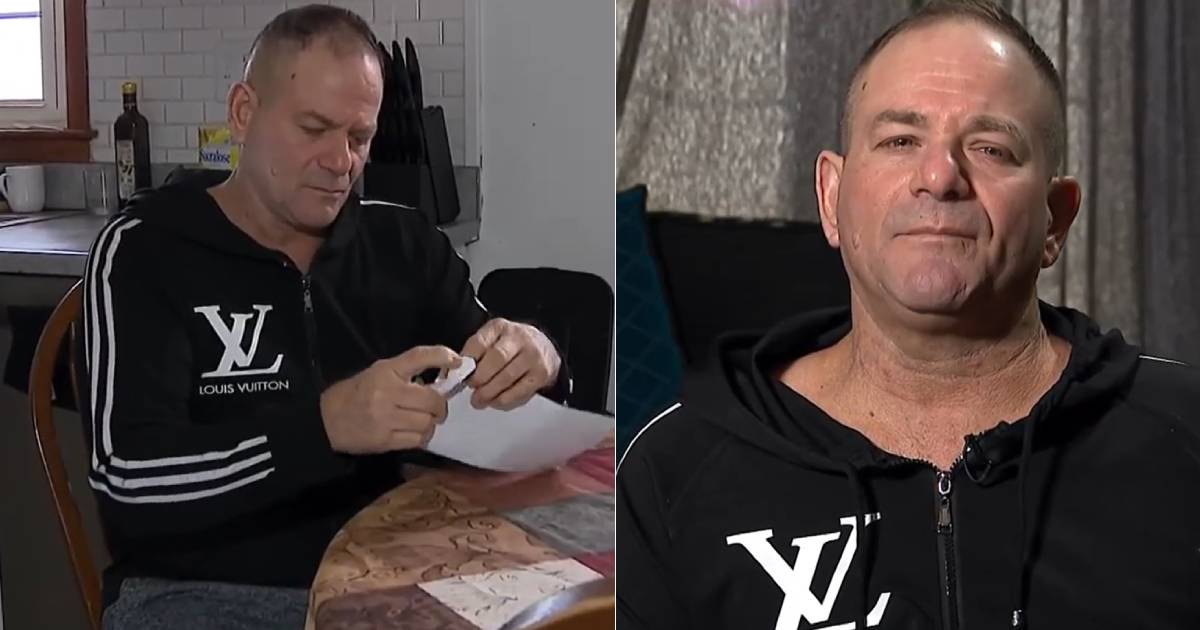
Moisés Ricardo, a Cuban national, was on the verge of achieving a goal he had pursued for 17 years—becoming a U.S. citizen. However, an unexpected letter from the U.S. Citizenship and Immigration Services (USCIS) abruptly halted his progress, leaving him in a state of uncertainty.
Ricardo's situation, highlighted by NBC Connecticut, is part of a broader trend of cancellations and delays affecting thousands of immigrants from 19 countries, including Cuba, due to the Trump administration's new immigration restrictions.
At 59, Ricardo, who resides in Bristol, Connecticut, had his citizenship exam set for November. An emergency open-heart surgery forced him to reschedule the appointment to January 6, 2026. Yet, last week, he received a notice that the process had been canceled without any explanation.
Unexpected Setbacks for Immigrants
"It's unimaginable how much a person can suffer with everything happening in their body: pain, anxiety, depression," he told NBC Connecticut through a translator. "And then receiving news like I did at that moment was truly devastating."
The announcement is part of a nationwide pause ordered by USCIS on December 2, as per a memorandum that halted all immigration adjudications for individuals from the 19 countries listed under Presidential Proclamation 10949.
Although the policy was prompted by a criminal case involving an Afghan refugee in Washington D.C., its effects have rippled out to thousands of applicants with no criminal records, many of whom have been settled in the U.S. for years.
Impact on the Cuban Community
Cuba is among the affected countries, leaving many Cubans in an immigration limbo. Recently, Cuban Anyi Cabrales had her citizenship ceremony canceled just three hours before she was to take the oath, drawing media attention as well.
Moreover, reports emerged of immigrants in Boston being pulled from lines after USCIS officers inquired about their country of origin, removing them if they hailed from the restricted nations.
Criticism and Calls for Change
Immigration advocacy groups have condemned the new policy as "cruel" and "arbitrary," while Democratic lawmakers from Connecticut have sharply criticized what they see as a discriminatory ban. "We are a nation of immigrants," stated Congressman John Larson. "The extreme ban... has nothing to do with national security; it's discrimination."
Amidst this backdrop, Moisés Ricardo simply wants to move forward. He came to the U.S. seeking freedom and spent years working as a truck driver and in tree removal services. He now lives with one of his sons, also a Cuban immigrant, and hopes to retire once he secures citizenship and qualifies for Social Security.
Becoming a citizen, he emphasizes, was not just a formality but the culmination of a life built away from the control of the Cuban regime. "To have had a life in this country and finally reach the point where I was granted that privilege, I have no words."
As the immigration pause continues with no clear end in sight, stories like his underscore the human impact behind each stalled application and the growing fear among Cubans who, like him, dreamed of taking the final step towards permanent stability in the United States.
Key Questions about U.S. Immigration Policies
Why was Moisés Ricardo's citizenship process halted?
His process was stopped due to a nationwide USCIS pause affecting immigrants from 19 countries, as a result of new immigration restrictions.
What prompted the USCIS to issue a nationwide pause?
The pause followed a criminal case in Washington D.C. involving an Afghan refugee, leading to stricter immigration policies.
How have immigration advocacy groups responded to the new policy?
Advocacy groups have labeled the policy as "cruel" and "arbitrary," criticizing its discriminatory nature.