The Centers for Disease Control and Prevention (CDC) in the United States have issued a Level 2 travel alert for Americans planning to visit Cuba, Bangladesh, Sri Lanka, and Guangdong province in China, due to an active outbreak of chikungunya. This viral disease, spread by mosquitoes, currently lacks a specific cure or treatment.
Health officials emphasized on December 5th that "American travelers should exercise enhanced precautions."
Understanding Chikungunya's Global Reach
Chikungunya is present in over 100 countries, predominantly in tropical and subtropical regions. However, disparities exist in epidemiological surveillance across different nations, often resulting in incomplete data.
CDC's Criteria for Travel Alerts
The CDC focuses on alerts that directly affect American travelers, considering factors such as:
- Laboratory-confirmed cases.
- Comparison with historical levels.
- Mosquito seasonality.
- Increase in cases among American travelers.
- Outbreak size and spread.
- Emergence in previously unaffected areas.
- Volume of American travelers to the destination.
The goal is to empower travelers to make informed decisions regarding their exposure risk to the chikungunya virus.
The Chikungunya Virus: Symptoms and Concerns
Derived from a word in the Makonde language meaning "to become contorted with pain," chikungunya primarily induces sudden fever and severe joint pain. It can also result in headaches, rashes, extreme fatigue, and in rare instances, more severe complications.
Symptoms typically manifest 3 to 7 days after a bite from an infected mosquito, usually of the Aedes aegypti or Aedes albopictus species. While most individuals recover within a week, joint pain may persist for months or even years in some cases.
The World Health Organization warns that "some patients may require hospitalization due to the risk of organ damage and death."
Chikungunya's Impact in Cuba
The current outbreak in Cuba is particularly concerning due to its rapid spread and conducive conditions for the virus's propagation.
Dr. María Eugenia Toledo Romaní, a researcher at the Pedro Kourí Institute of Tropical Medicine (IPK), recently acknowledged that Cuba is experiencing its first major chikungunya epidemic, an unprecedented event for the nation.
"It is impossible to predict when the epidemic wave will end," she stated on national television, highlighting that the population is highly susceptible due to lack of prior exposure.
Multiple Health Crises in Cuba
Cuba is grappling with more than just chikungunya; the country is also contending with simultaneous outbreaks of dengue and Oropouche fever, the latter being an emerging mosquito-borne disease.
Official data reports 33 deaths in 2025 from mosquito-borne diseases, 21 of which were due to chikungunya. Independent organizations, like the Cuban Conflict Observatory (OCC), raise that number to 87 deaths, with cases reported in several provinces.
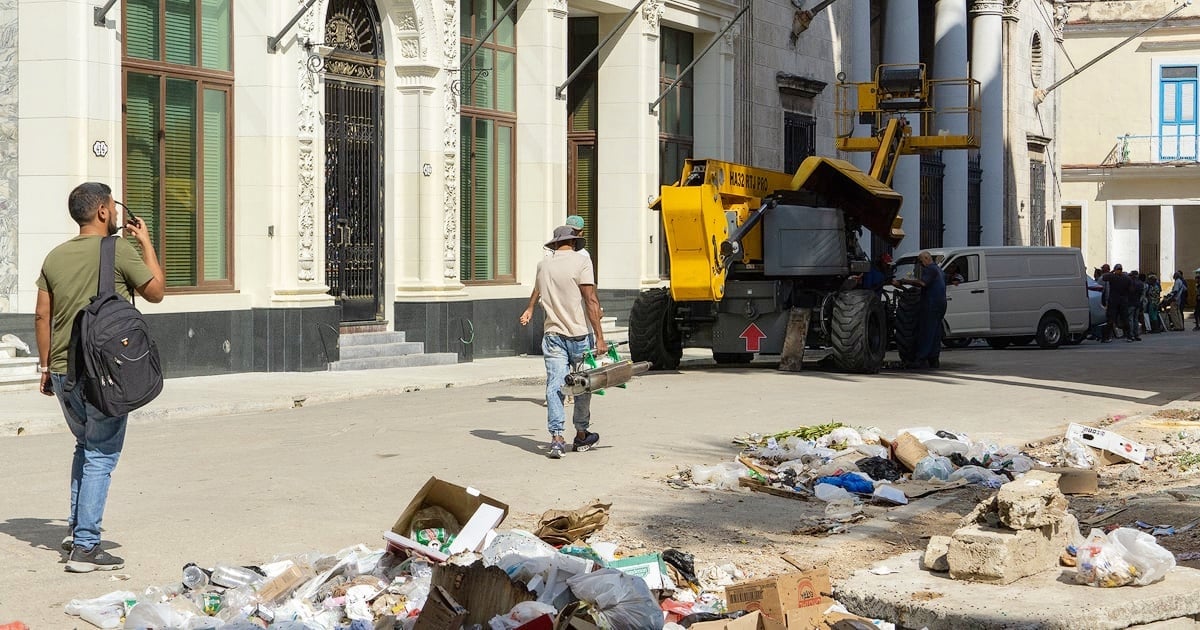
The deteriorating public health system, scarcity of insecticides, disrupted fumigation campaigns, and lack of basic medications exacerbate the situation.
"The simultaneous presence of multiple mosquito-borne diseases has raised alarms," warned Cuban physician Luis Felipe Felipe, who resides in Florida, suggesting even the temporary suspension of flights to Cuba as a preventive measure.
Global Reactions: From Havana to Washington
In September, the U.S. embassy in Cuba had already issued a health advisory to its citizens, urging extreme caution when traveling to the island.
The CDC reinforced this stance with their recent notice, additionally recommending vaccination against chikungunya for those planning to visit affected areas.
Other nations have also responded. Russia advised its citizens to cover their skin, avoid damp areas, and use insect repellent. Canada issued a similar alert, while Mexico recommended purchasing medical insurance before traveling to Cuba.
These warnings reflect a shared concern: the potential exportation of the virus to countries where the mosquito vector already exists and where climatic conditions facilitate its reproduction.
CDC's Recommendations for Travelers
In their December 5th announcement, the CDC emphasized the importance of staying informed about active outbreaks to make appropriate decisions, especially for vulnerable groups such as pregnant women.
Key recommendations include:
- Getting vaccinated prior to traveling to areas with active outbreaks.
- Wearing clothing that covers arms and legs.
- Applying insect repellent multiple times a day.
- Avoiding areas with stagnant water or dense vegetation.
- Consulting official sources before, during, and after travel.
- Seeking immediate medical attention if symptoms appear after returning.
The CDC's objective is to "protect American travelers and minimize transmission risk."
Potential Chikungunya Threat in the U.S.
Although no locally acquired chikungunya cases have been reported in the U.S. since 2019, the significant travel volume between Cuba and Florida, along with climate change's impact on Aedes aegypti proliferation, keeps epidemiologists on alert.
"We face a scenario where a single imported case could reignite local transmission," explain tropical disease experts. Hence, the importance of vigilance, vaccination, and prevention campaigns.
Traveling to Cuba is not impossible, but it demands rigorous health preparations. The chikungunya spread, combined with the island's structural health crisis, creates a high-risk environment, particularly for those with preexisting medical conditions or without immediate access to healthcare.
As Dr. Luis Felipe Felipe reminds us, "Visitors face a high risk of infection, especially those unaware of the outbreak's magnitude and not taking adequate precautions."
FAQs on Chikungunya Outbreak and Travel Precautions
What are the symptoms of chikungunya?
Chikungunya primarily causes sudden fever and severe joint pain, but can also lead to headaches, rashes, fatigue, and more serious complications.
How can travelers protect themselves from chikungunya?
Travelers should vaccinate if visiting high-risk areas, wear protective clothing, use insect repellent, and avoid places with stagnant water or dense vegetation.
Is there a risk of chikungunya spreading to the United States?
While no local cases have been reported since 2019, the possibility exists due to travel between affected areas and suitable climate conditions for mosquito proliferation.