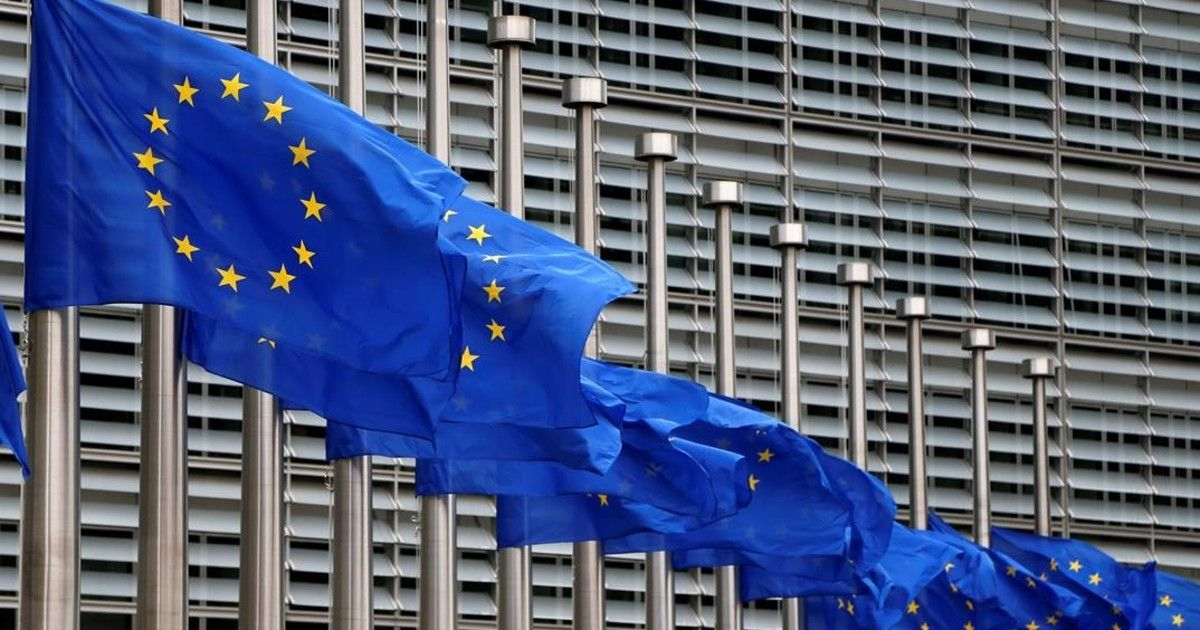
The European Union is finalizing a significant overhaul of its immigration policy, marking a shift towards more stringent asylum processes, expedited deportations, and reinforced detention centers. This transformation echoes the restrictive approach advocated by former President Donald Trump in the United States.
As reported by the Associated Press, European ministers convened in Brussels, reaching an agreement to compile a list of "safe countries" of origin and transit. This move will facilitate the denial of asylum applications and enable faster deportations for individuals from nations deemed low-risk.
The concept of a "safe third country" was also endorsed, allowing EU member states to redirect migrants to non-EU countries where they can seek refuge. Danish Minister Rasmus Stoklund emphasized that the new policies aim to "reject those without legitimate grounds for asylum in Europe," ensuring swifter returns and preventing smugglers from dictating entry to the continent.
A pivotal aspect of the agreement includes a solidarity fund, endowed with 430 million euros, designed to aid countries most burdened by migration pressures, such as Italy, Greece, Cyprus, and Spain. Despite this, countries like Hungary and Poland remain opposed to financing migrant reception or accepting mandatory quotas.
The European Commission asserts that the revamped system will "restore a sense of control" over borders to its citizens. However, humanitarian organizations and progressive parties criticize it as a departure from the EU's founding values. Amnesty International lawyer Olivia Sundberg Diez directly compared the reform to Trump-era measures, cautioning that it would "inflict profound harm on migrants and the communities that host them."
The proposal, pending negotiation with the 720 European Parliament members, enjoys substantial backing from right-wing and far-right parties, who hail the stricter migration stance as a political triumph. Among the most contentious elements is the establishment of "return centers," a euphemism for deportation facilities. These centers may be located outside Europe, through agreements with third countries willing to accept rejected migrants, mirroring the migration accords the U.S. brokered with Mexico and Guatemala during Trump's administration.
Experts from the Migration Policy Institute Europe warn that such measures externalize Europe's human rights responsibilities and could lead to similar abuses. "It's a bureaucratic and legal European version of Trump's wall," commented one analyst cited by community media.
This reform aims to resolve internal EU divisions that have persisted since the 2015 migration crisis, when over a million refugees, primarily from Syria and Iraq, sought asylum in Europe. Nonetheless, the new pact indicates a political shift towards containment and control, aligning more closely with the restrictive tendencies that characterized recent U.S. policies.
This migration pivot by the European Union is widely seen by analysts as an adoption of the approach championed by Donald Trump during his tenure. In September, the former president defended his policies of reduced asylum and increased deportations at the UN, openly criticizing Europe for allowing a "migrant invasion" and urging an end to the "failed experiment of open borders."
Trump's migration offensive has also been reflected within the U.S. In 2025, his decisions have directly impacted the labor market, including the revocation of humanitarian parole and mass raids affecting key sectors like agriculture, construction, and caregiving. The tightening of migration policies led to labor shortages and increased costs for consumers and employers.
Beyond migration, Trump has maintained a confrontational stance towards the EU in economic matters, publicly accusing it of exploiting the United States. He has anticipated imposing tariffs in response to the trade imbalance and the limited access of U.S. goods to European markets.
Tensions escalated further at the end of 2024 when Trump warned of new tariffs unless the EU increased its purchases of American oil and gas. These threats are part of a protectionist strategy that pressures the European bloc, linking its trade relations to migration, energy, and political interests.
Key Aspects of EU's New Migration Policies
What are the main changes in the EU's new migration policy?
The EU's new migration policy includes stricter asylum processes, faster deportations, reinforced detention centers, and the creation of a list of "safe countries" to expedite asylum denials.
How does the "safe third country" concept work?
The "safe third country" concept allows EU member states to send migrants to non-EU countries deemed safe, where they can apply for asylum, thus redirecting migration flows away from Europe.
What is the purpose of the EU's solidarity fund?
The solidarity fund, with 430 million euros, aims to support EU countries most affected by migration pressures, providing financial assistance to manage the influx of migrants.