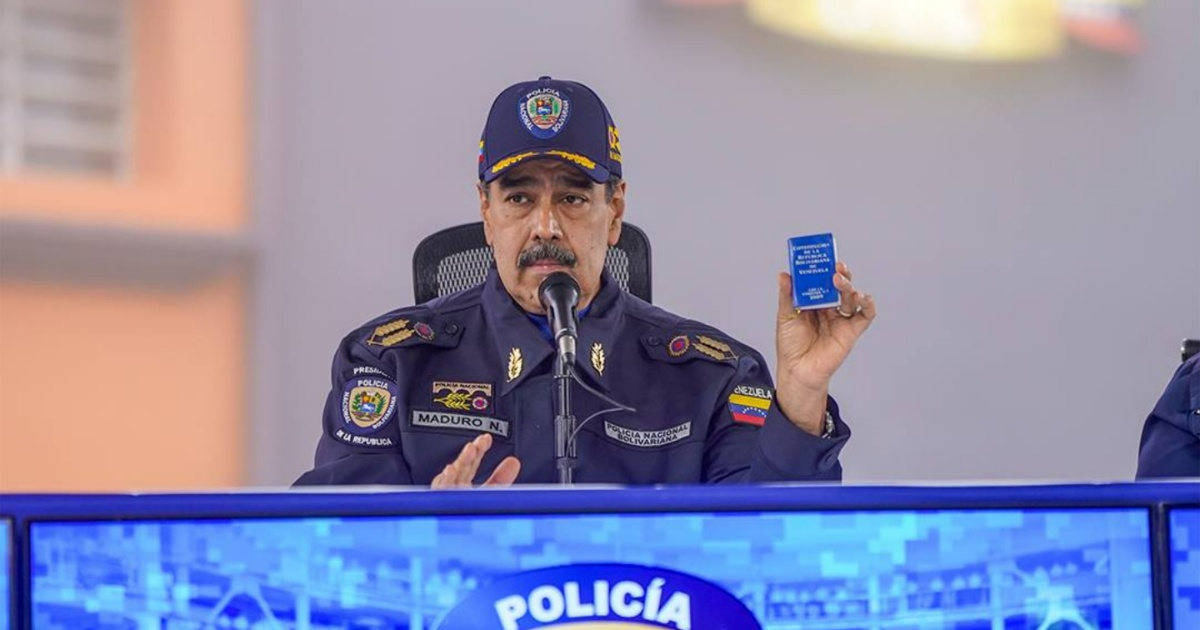
In a bid to mediate the ongoing conflict between the United States and the Venezuelan regime, Panama has proposed serving as a temporary haven for some leaders of the Chávez administration.
Panama's Deputy Foreign Minister, Carlos Hoyos, expressed to EFE that his nation has a longstanding tradition of mediation. He noted that President Mulino Mulino is open to temporarily hosting certain figures from the Venezuelan regime if it would aid in resolving the situation in Venezuela.
Hoyos voiced significant concerns about the potential for destabilization, which could have widespread effects across the region. He emphasized the importance of maintaining stability, particularly concerning the Panama Canal, which had previously been under scrutiny from the Trump administration. He described the canal as a crucial global asset that requires protection against disruptions.
“The United States is likely the most invested in ensuring no interruptions occur at the Panama Canal. We are committed to operating the canal with the neutrality and deep conviction required,” Hoyos stated, referencing the tensions in the Caribbean driven by U.S. bombings of alleged narcoterrorist vessels.
Venezuelan Military Expansion Amid Tensions
On Saturday, the Venezuelan Armed Forces welcomed 5,600 new soldiers amidst escalating tensions with the United States. These recruits are described as "revolutionary, socialist fighters" trained in tactics of revolutionary resistance, according to officials who presided over the ceremony, as reported by AFP.
Colonel Gabriel Alejandro Rendón Vílchez emphasized that the Venezuelan military, united with the people, is prepared and motivated, stating they will not permit any imperial invasion under any circumstances.
General Javier José Marcano Tábata noted a surge in enlistment applications, attributing it to the looming threat of war with the United States. He highlighted the influx of young Venezuelans joining the ranks of the Bolivarian National Armed Forces amid what he described as illegal and arrogant imperial threats.
Chavista Leaders Predict Victory Over U.S. Threats
The induction ceremony took place at Fuerte Tiuna, Caracas's largest military complex. Venezuela’s military boasts 200,000 personnel, supplemented by 200,000 police officers. On the same day, Diosdado Cabello, a key figure in the Chávez regime, predicted a "great victory" against what he termed U.S. threats, referring to the American naval and aerial presence in the Caribbean. Washington justifies this deployment as part of its anti-narcotics strategy.
Cabello's comments, reported by EFE, came amid political tension with the U.S., with the Maduro government arguing that the American deployment is not solely about drug operations but aims to incite regime change in Venezuela. The U.S. maintains that its actions are primarily focused on combating drug trafficking.
Since September 2025, the United States has intensified its attacks on vessels in the Caribbean and Pacific, citing anti-narcotics efforts. This campaign has resulted in the destruction of 23 boats and 87 fatalities, drawing criticism for the lack of evidence and military force usage.
The U.S. has accused Nicolás Maduro of leading the Cartel of the Suns, a terrorist organization involved in drug trafficking to the United States.
Panama's Role in Venezuelan Conflict Mediation
Why is Panama offering asylum to Venezuelan leaders?
Panama is offering temporary asylum to Venezuelan leaders as part of its diplomatic efforts to mediate the conflict between the United States and the Venezuelan regime, aiming to contribute to regional stability.
What is the significance of the Panama Canal in this context?
The Panama Canal is a vital global trade route, and its security is crucial, especially given the tensions in the Caribbean. Panama emphasizes its commitment to maintaining the canal's neutrality amidst these geopolitical challenges.
How is Venezuela responding to U.S. military actions?
Venezuela is bolstering its military capabilities by enlisting new soldiers and reinforcing its narrative of resistance against perceived U.S. imperial aggression, as highlighted by recent military inductions and statements from Venezuelan officials.