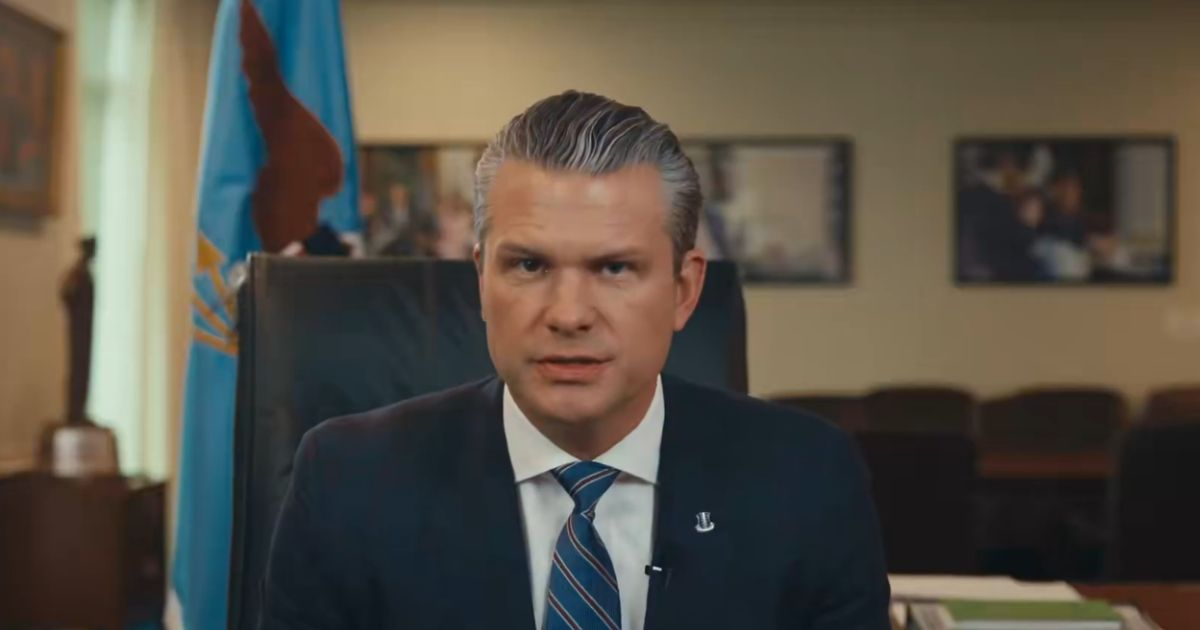
On Saturday, U.S. Defense Secretary Pete Hegseth stood by the military operation launched by the Trump administration in the Caribbean. The offensive targets suspected drug trafficking vessels, and Hegseth emphasized that these actions underscore Washington's resolve to curb the flow of narcotics into the United States.
Speaking at the Reagan National Defense Forum in Simi Valley, California, Hegseth described the operation as a testament to the "strength of American resolve" and fully supported the decisions made by the military leaders involved.
The remarks were reported by CNN, which also mentioned that Congress is currently conducting oversight procedures regarding these military actions.
Controversy and Legal Challenges
Hegseth clarified that the anti-drug campaign targets vessels linked to organizations deemed as terrorist entities, and he assured that the mission will persist as long as drug trafficking remains an issue in the area.
However, the offensive has sparked significant political and legal debate in Washington. A second attack in September resulted in the deaths of survivors who were left adrift after an initial bombardment, fueling accusations of potential war crimes. According to the Pentagon's manual on armed conflict, shipwrecked individuals are considered in need of assistance and should not be attacked.
Both Democratic and Republican lawmakers have urged the Pentagon to review the chain of command that sanctioned the second strike, and they have announced hearings to investigate the actions of the U.S. Special Operations Command.
Defense of Military Actions
Hegseth stood by Admiral Frank "Mitch" Bradley, head of the Command, who approved the subsequent strike. He stated he would have made the same decision under similar circumstances. He also dismissed allegations that there was a direct order to eliminate all crew members, labeling such claims as "utterly ridiculous."
The secretary acknowledged that the full video of the operation has yet to be released, despite President Trump's announcement this week that the government would make the footage public. According to CNN, the material was shown to Congress members, leading to a split among lawmakers. Some argued the attack was excessive, while others defended its legality under anti-narcotics combat regulations.
Impact and Ongoing Debate
The Caribbean offensive, part of the security strategy promoted by the Trump administration and supported by Secretary of State Marco Rubio, has led to the destruction of 23 vessels and the deaths of at least 87 individuals. Although the Pentagon maintains that these strikes aim to decrease drug trafficking from Latin America to the U.S., legal experts warn that using lethal force in international waters may breach international conventions.
The debate in Washington continues as the White House upholds its policy of deterrence against regional narcotics trafficking, a strategy that has expanded the U.S. military presence in the Caribbean and heightened tensions with local governments.
Key Questions About the U.S. Military Operation in the Caribbean
What is the main goal of the U.S. military operation in the Caribbean?
The operation aims to intercept and eliminate drug trafficking vessels to prevent the flow of narcotics into the United States.
Why has the operation sparked controversy in Washington?
The controversy stems from a second attack that led to the deaths of survivors, raising potential war crime allegations and prompting calls for a review of the military's chain of command.
How has the U.S. government justified the use of force in international waters?
The government argues that the use of force is necessary to combat drug trafficking and is conducted within the legal frameworks of anti-narcotics operations.