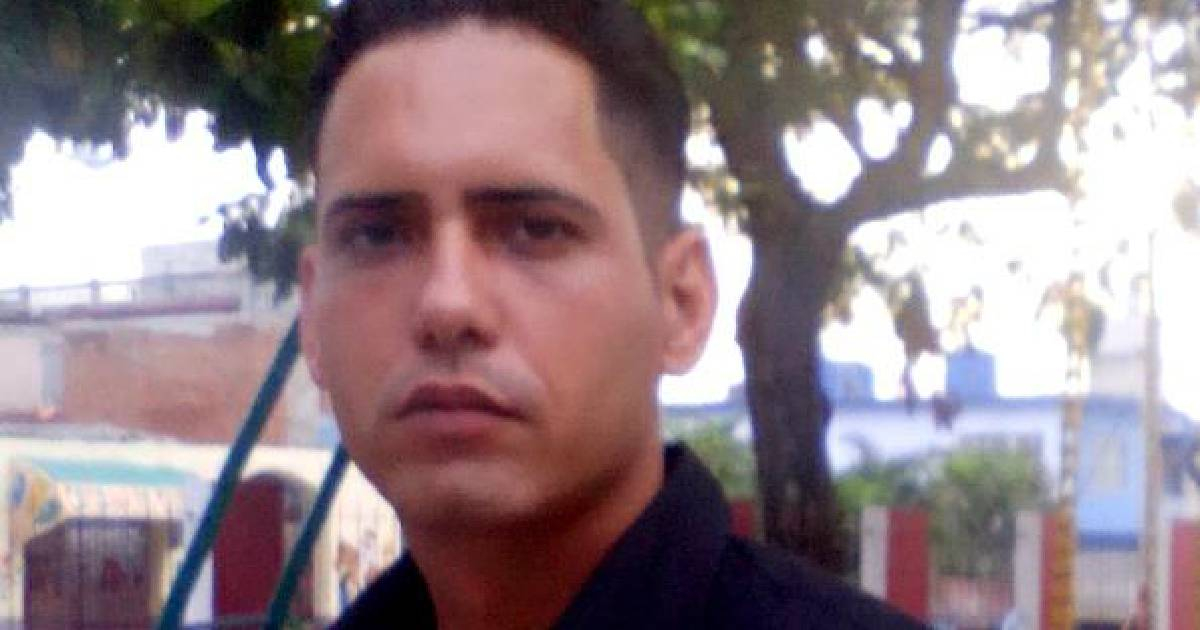
Yosvany Rosell García Caso, a Cuban political prisoner, is gradually recovering at the Lucía Íñiguez Landín Clinical-Surgical Hospital in Holguín following a grueling 40-day hunger strike that nearly claimed his life.
According to his wife, Mailin Sánchez, who provided an update on Saturday, García Caso is currently in the intermediate care unit, where he is receiving intravenous fluids, vitamins, and medication to aid in the recovery of his stomach and other affected organs.
"After five days, he is slowly regaining strength, hydrating with IV drips and beginning to eat. Thank God and all the prayers," Sánchez shared in a heartfelt message accompanied by expressions of solidarity and hashtags advocating for the release of Cuba's political prisoners.
García Caso's family has expressed gratitude for the outpouring of support from both within and outside Cuba, emphasizing the crucial role of international pressure in bringing attention to the plight of prisoners of conscience held for political reasons.
His situation has been highlighted by organizations such as Amnesty International and the Cuban Observatory for Human Rights (OCDH), which have called on the Cuban regime to immediately release all political detainees. Many of these prisoners suffer from severe health issues due to neglect and mistreatment in the island's prisons.
Activists have taken to social media, using hashtags like #LibertadParaYosvanyRosellGarciaCaso and #LibertadParaTodosLosPresosPoliticos, spreading their message on platforms such as Facebook and X (formerly Twitter). Many Cubans, both on the island and abroad, are demanding justice and respect for human rights.
García Caso was sentenced to 15 years in prison for his involvement in the July 11 protests in Holguín. This past October, he embarked on a hunger strike that lasted 40 harrowing days, protesting his unjust imprisonment and the inhumane conditions in facilities controlled by the Havana regime.
Understanding the Plight of Cuban Political Prisoners
Why did Yosvany Rosell García Caso go on a hunger strike?
García Caso initiated a hunger strike to protest his unjust imprisonment and the inhumane conditions in Cuban prisons, highlighting his demand for justice and better treatment.
How have international organizations responded to García Caso's situation?
Organizations like Amnesty International and the Cuban Observatory for Human Rights have condemned his imprisonment and called for the immediate release of all political prisoners in Cuba.
What role does international pressure play in the situation of Cuban political prisoners?
International pressure is vital in drawing attention to the cases of political prisoners in Cuba, helping to advocate for their rights and potential release by increasing global awareness and support.