Dr. María Eugenia Toledo Romaní, a scientist at the Pedro Kourí Institute of Tropical Medicine (IPK), has stated that predicting the long-term trajectory of the chikungunya virus in Cuba is currently impossible. This stems from the country's first significant exposure to a large-scale epidemic of this virus.
Her remarks were highlighted by the state-run outlet Cubadebate during a special segment of the Mesa Redonda, which focused on the development of arboviruses within the nation.
In her address, Toledo Romaní emphasized that her discussion aimed to incorporate international evidence and local statistics to clarify expectations for this disease. Although there were reports of chikungunya back in 2015 in Santiago de Cuba, the current spread and behavior are unprecedented.
The expert pointed out that, unlike dengue fever, which allows for predictions based on its endemic epidemic patterns and accumulated data, chikungunya only permits short-term forecasts. The end of the epidemic wave remains unknown.
Toledo Romaní highlighted that this epidemic is not unique to Cuba. Between 2020 and 2024, over 119 countries and territories across six World Health Organization regions have reported chikungunya outbreaks. Nevertheless, she warned that Cuba faces specific risk factors, such as high population susceptibility due to a lack of previous outbreaks, attack rates between 30% and 70%, an aging population with existing health conditions, and increased internal and international mobility that aids virus and vector exchange. Concurrent circulation of other arboviruses, like dengue, also poses a threat.
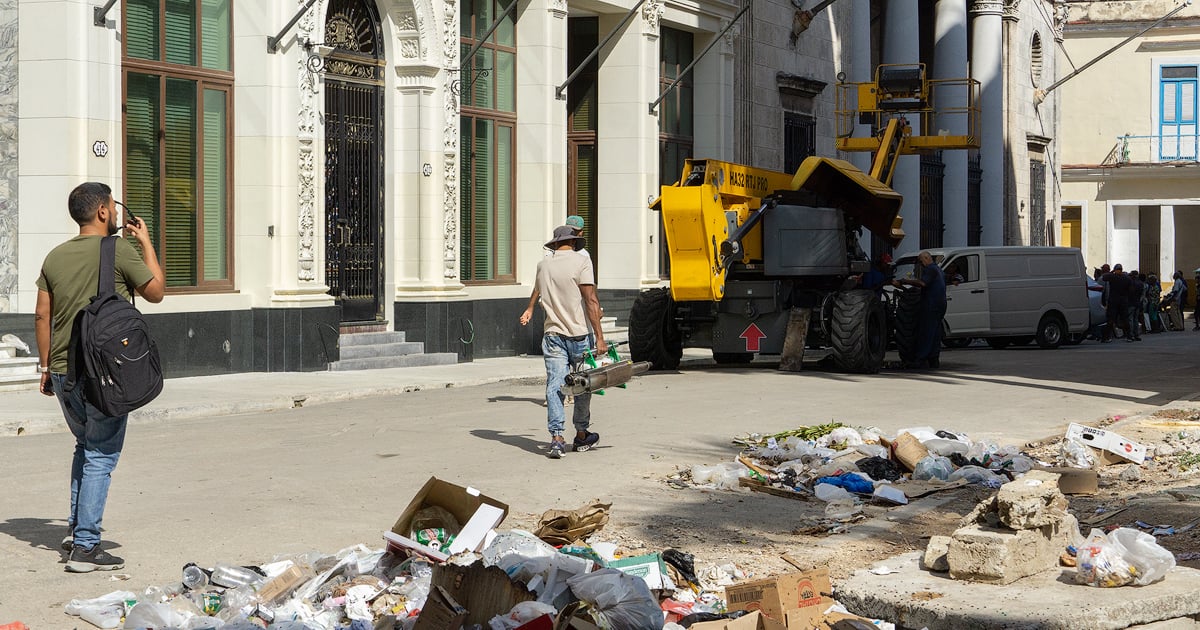
She also noted challenges in control strategies, such as fumigation, which is not 100% effective. These are compounded by socioeconomic, environmental, and urban hygiene conditions.
The specialist linked the significant rise in cases starting in week 40 of the year to the reopening of schools and the gathering of people in mosquito-infested areas. She predicted that future outbreaks might not be as severe due to acquired immunity, although widespread movement could spark isolated outbreaks that complicate control efforts.
The Ministry of Public Health (MINSAP) recently reported 33 deaths from mosquito-borne diseases, with 21 attributed to chikungunya and 12 to dengue, according to official data released by state media. Most of the victims were children.
An independent report by the Cuban Conflict Observatory (OCC) and the Foundation for Human Rights in Cuba documented at least 87 deaths related to the epidemic, with cases reported across various provinces.
Toledo Romaní stressed the importance of seeking medical care for accurate diagnoses, especially amid a rise in respiratory infections and potential co-infections. She highlighted the need for vigilance against other diseases that may emerge following extreme weather events.
The researcher emphasized that monitoring control interventions must be systematic and ongoing, as a single control method cannot be relied upon. She urged strengthening environmental hygiene and personal actions at home as part of preventive measures.
The insights shared by the IPK researcher underscore the uncertainty surrounding the chikungunya epidemic in Cuba and the necessity to enhance monitoring and preventive strategies. With demographic, health, and environmental factors facilitating the spread, the end of the current epidemic wave remains uncertain.
Understanding the Chikungunya Epidemic in Cuba
What makes predicting the chikungunya outbreak in Cuba difficult?
Predicting the chikungunya outbreak in Cuba is challenging due to the country's first significant exposure to the virus, making it difficult to forecast its long-term behavior.
How does chikungunya differ from dengue in terms of prediction?
Chikungunya differs from dengue as it allows only short-term predictions, unlike dengue, which has accumulated data that supports long-term forecasting due to its endemic epidemic patterns.
What factors contribute to the chikungunya epidemic in Cuba?
Factors contributing to the chikungunya epidemic include high population susceptibility, an aging demographic with health conditions, increased mobility, and the presence of other arboviruses like dengue.