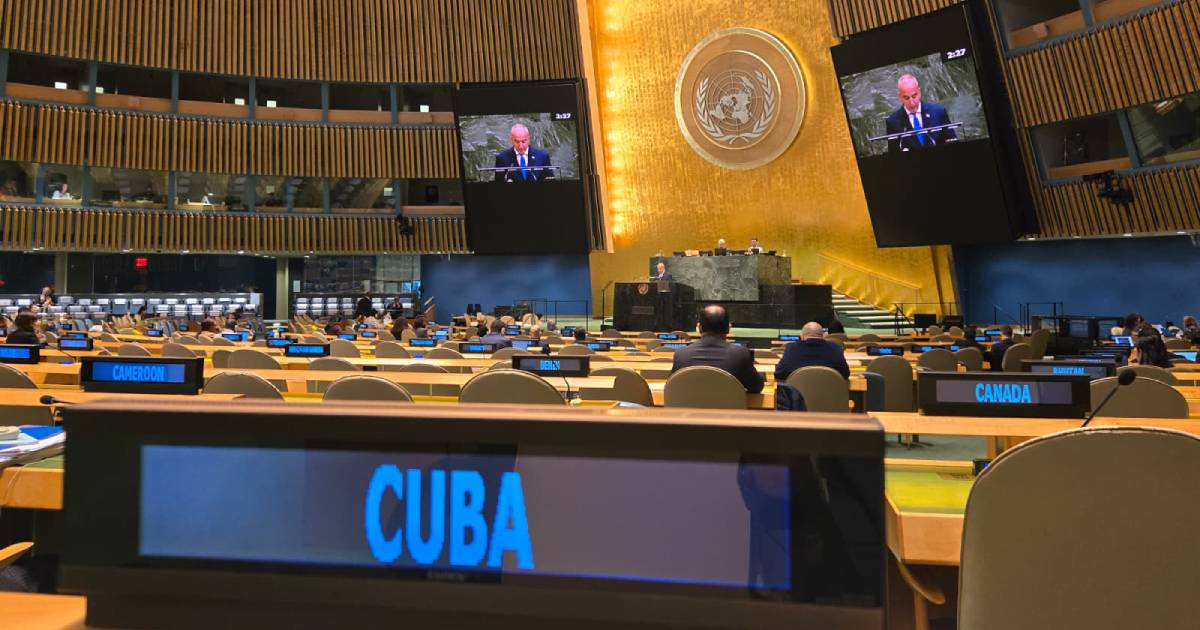
Once again, Cuba has aligned itself with Russia on a highly sensitive issue within the Ukraine conflict: the forced deportation of minors. The Cuban delegation cast a vote against a resolution passed on Wednesday by the United Nations General Assembly, which calls for the immediate, safe, and unconditional return of all Ukrainian children moved or deported since 2014. Many of these children have been separated from their families, subjected to citizenship changes, indoctrination, and relocation to occupied territories.
The resolution garnered 91 votes in favor, 57 abstentions, and only 12 votes against, with Russia, North Korea, Syria, and Cuba among the dissenters.
“Thank you for your support! And pity the dozen!” wrote Ukrainian Deputy Foreign Minister Sergiy Kyslytsya on X, addressing the minority of countries that refused to support the reunification of these children with their families.
The approved text emphasizes that protecting minors is a duty under international law and expresses "deep concern" over the fate of Ukrainian children who have been deported or separated from their parents since the annexation of Crimea in 2014.
It demands that Russia immediately cease these practices, facilitate the children's return home, and ensure their access to medical care, psychosocial support, and a safe environment for reintegration.
“A ‘yes’ vote is a vote for peace,” Kyslytsya had written earlier, in an appeal to UN representatives.
The humanitarian aspect of the issue was further underscored by the Vatican's intervention, which reiterated at the UN that Ukrainian children must be reunited with their families, a matter of "justice" that should not be overshadowed by "political considerations."
The Vatican also called for an immediate ceasefire, reminding that every day without peace "steals something from all of humanity."
While the international community sought a minimal consensus on child protection, Cuba chose to side with Moscow.
Contradictions in Cuba's Stance
The negative vote from Cuba comes with a noticeable contradiction. Just days ago, the Cuban mission at the UN posted on X that Cuba upholds a policy of "zero tolerance" against human trafficking and advocates for a "humane" response based on international cooperation.
This year, they also shared a message reaffirming their commitment to racial equality and the rights of people of African descent.
Yet, in practice, Havana has supported a government accused of forcibly relocating thousands of children, a practice that the resolution describes as a violation of international humanitarian law.
As the world demands the return of children to their parents, Cuba has chosen to stand with the aggressor.
Key Questions on Cuba's UN Vote
Why did Cuba vote against the UN resolution?
Cuba voted against the resolution, aligning with Russia, despite international calls for the protection of Ukrainian children and their return to their families. This decision reflects Cuba's ongoing support for Russia.
What does the UN resolution demand from Russia?
The resolution demands that Russia immediately halt the deportation of Ukrainian children, facilitate their return to their families, and ensure their access to essential services and a safe environment for reintegration.