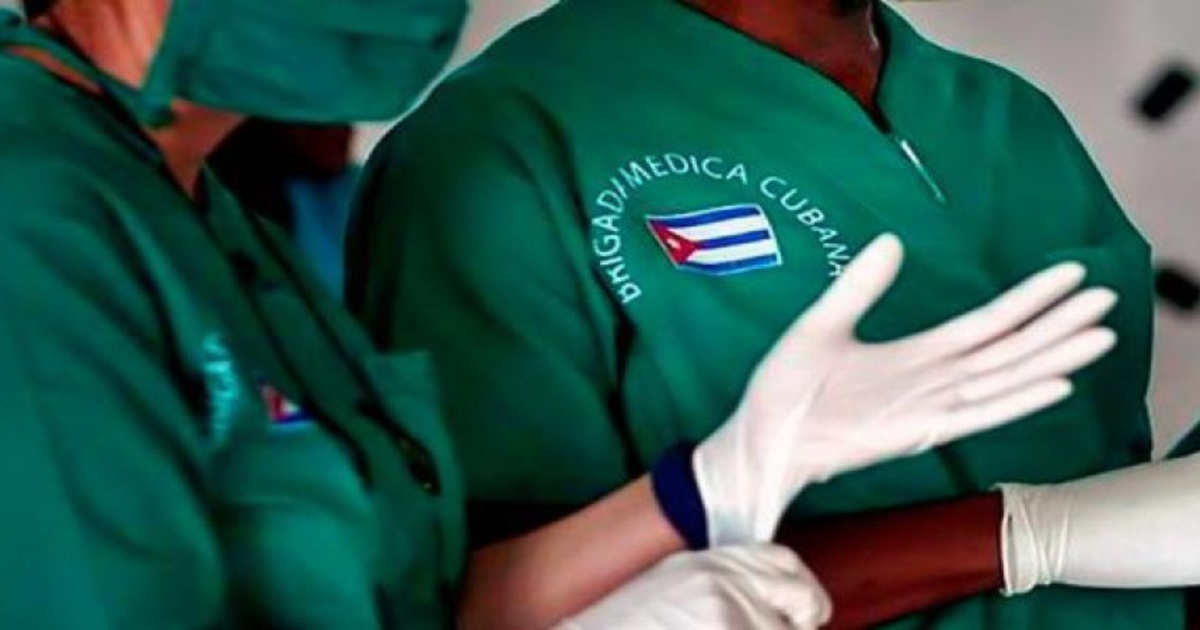
In a dramatic decline, Cuba has seen the loss of 30,767 doctors over a span of just three years. The number of registered physicians plummeted from 106,131 in 2021 to a mere 75,364 by 2024, as revealed by the National Office of Statistics and Information (ONEI).
This sharp decrease, acknowledged in official state reports, highlights an alarming reduction in medical personnel amid a deteriorating healthcare system plagued by resource shortages, medicine scarcity, and an ongoing exodus of professionals.
The information was shared by ONEI in celebration of Latin American Medicine Day. It also noted that in 2024, the island had 5,399 fewer doctors than in 2023, when the total stood at 80,763. This is a significant drop from 2014, which saw 85,563 doctors. The decline follows a peak in 2021, identified by ONEI as the year with the highest number of doctors in the country.
The steep fall was particularly noticeable between 2022 and 2023. According to ONEI, the number of doctors dropped from 94,066 in 2022 to 80,763 in 2023, a loss of 13,303 in a single year, which severely impacts healthcare capacity.
During this timeframe, the doctor-to-population ratio worsened significantly: it increased from 113 residents per doctor in 2022 to 127 in 2023, based on the cited statistical yearbook.
The decline isn't limited to doctors alone. Official statistics reveal a marked reduction in overall healthcare personnel—including dentists, nurses, technicians, and other specialists. In 2023, the workforce was recorded at 248,512, a decrease of 32,586 from 2022’s total of 281,098.
Among the hardest-hit categories, ONEI reported a shortfall of 6,285 nursing professionals, a reduction of 3,125 in dentistry, and 6,191 fewer technologists and other health graduates compared to the previous year.
This workforce decline aligns with a hospital crisis post-pandemic and the departure of sector professionals, either through emigration or by leaving the field for other survival means. Within this context, the report notes many workers are "exhausted, underpaid, and hopeless."
Adding to the strain is the reduction in material resources. In 2023, the number of actual hospital beds fell to 38,483, a reduction of 3,369 from the previous year, according to ONEI data.
Concurrently, the report highlights that scarcity has pushed some of the population to seek alternatives outside the formal healthcare system. A 2023 Cubadata survey revealed that 57.6% of respondents faced significant hurdles accessing medical care.
An additional factor exacerbating the situation is the exportation of doctors. In 2023, around 37,000 physicians left the country, a practice described as a crucial revenue source for the government, yet it coincides with worsening healthcare and growing unmet demand within Cuba.
Together, the ONEI’s official figures paint a picture of a nation, once touted as a "medical power," now grappling with a sustained loss of professionals and resources, directly affecting service availability and basic healthcare at a time when citizens report increased challenges in accessing medical attention.
Understanding Cuba's Healthcare Crisis
What factors have contributed to the decline in Cuba's medical personnel?
The decline in Cuba's medical personnel is attributed to a combination of resource shortages, medicine scarcity, professional exodus due to emigration, and doctors leaving the field for other occupations.
How has the doctor-to-population ratio changed in recent years in Cuba?
The doctor-to-population ratio in Cuba worsened from 113 residents per doctor in 2022 to 127 residents per doctor in 2023, indicating reduced access to medical care.
What impact has the exportation of doctors had on Cuba's healthcare system?
While the exportation of doctors serves as a significant revenue source for the Cuban government, it has coincided with deteriorating healthcare services and increased unmet demand within the country.