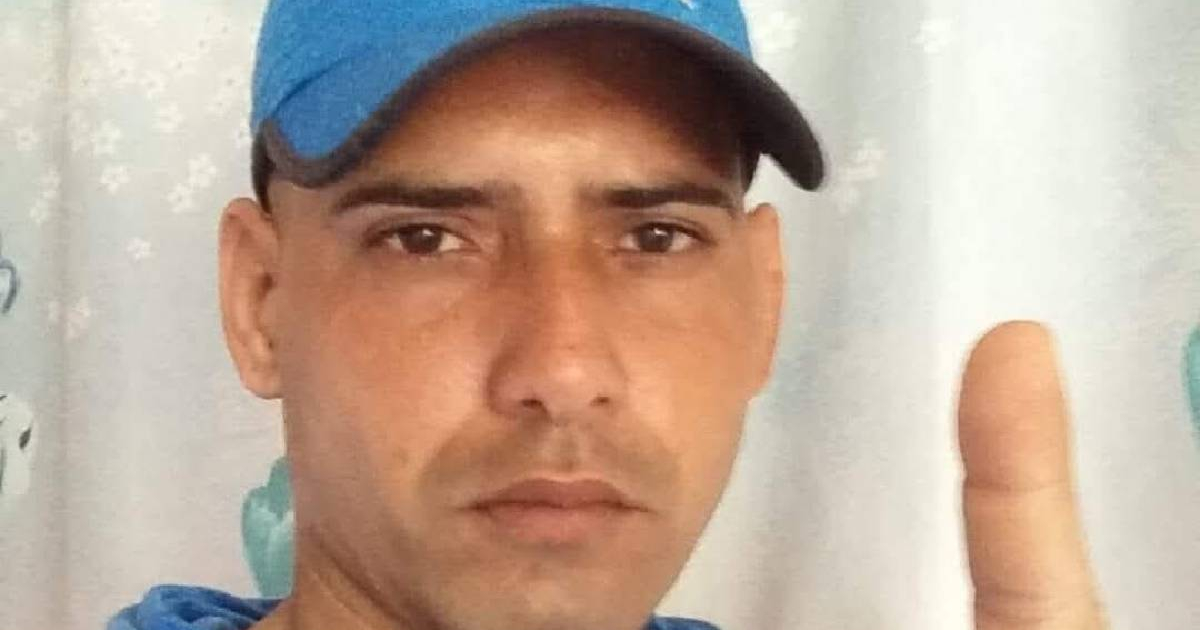
After enduring a 40-day hunger strike, Cuban political prisoner Yosvany Rosell García Caso is beginning to show signs of recovery at the Lucía Íñiguez Landín Hospital in Holguín, where he has been hospitalized since mid-November.
His wife, Mailín Rodríguez Sánchez, shared on Facebook that Yosvany is “slowly regaining his strength,” and doctors are continuing to hydrate him with IV fluids and medications to stabilize his organs.
“He's underweight, but thanks to God and everyone's prayers, it seems he is out of immediate danger,” she wrote, urging continued prayers for his swift recovery.
A medical report from December 2 indicated that his test results are “somewhat elevated due to physical deterioration,” but doctors believe the prisoner of conscience has overcome the most critical phase.
Background of the Hunger Strike
García Caso, a blacksmith and father of three, began his hunger strike over six weeks ago to protest his unjust imprisonment.
His wife explained that he decided to end the strike after prison authorities agreed to move him to an isolation cell, one of his demands, since obtaining his release was not possible.
“He has been very sad and overwhelmed by the unjust imprisonment; if freedom was not an option, he at least wanted to be isolated from the harsh prison environment,” Rodríguez Sánchez told independent media.
Medical Transfer and Current Health Status
On November 19, the political prisoner was transferred from the Cubasí prison to the Holguín hospital in a critical condition and admitted to intermediate care.
“It was 40 days of suffering for his body. There's still a risk to his life, but we trust that with God's help, he will recover,” his wife added.
Yosvany Rosell García Caso was sentenced to 15 years in prison for participating in the July 11, 2021 (11J) protests in Holguín, one of the harshest sentences given to more than a thousand Cubans prosecuted for those events. Initially, he had received a 30-year sentence, which was later reduced.
International Support and Advocacy
During the most critical days of his hunger strike, hundreds of Cubans both inside and outside the island, along with international organizations like the Inter-American Commission on Human Rights (IACHR), Amnesty International, and the United States Embassy in Havana, voiced their concern for his health and demanded the Cuban regime ensure adequate medical care.
“Yosvany Rosell’s life is in danger. We demand the Cuban State respect his human rights,” the IACHR warned on social media.
The family of the political prisoner has received support from around the world. His wife, Mailín Rodríguez, remains hopeful for Yosvany’s recovery: “We are with you 100 percent, without conditions. Get well soon, warrior, your family awaits you at home,” she wrote on social media, using the hashtag #FreedomForYosvanyRosellGarcíaCaso.
Recently, she confirmed that doctors continue to monitor his progress and that he will remain hospitalized until fully stabilized.
For many Cubans, Yosvany Rosell has become a symbol of resistance and dignity against the regime's repression. His case highlights the harsh reality faced by the political prisoners of 11J, who remain jailed for exercising their right to peaceful protest.
Insights into Yosvany Rosell's Hunger Strike
Why did Yosvany Rosell García Caso start a hunger strike?
Yosvany started a hunger strike to protest his unjust imprisonment after being sentenced for participating in the July 11, 2021 protests in Holguín.
What was the international response to Yosvany's situation?
International organizations such as the IACHR, Amnesty International, and the U.S. Embassy in Havana expressed concern for his health and demanded adequate medical care from the Cuban regime.