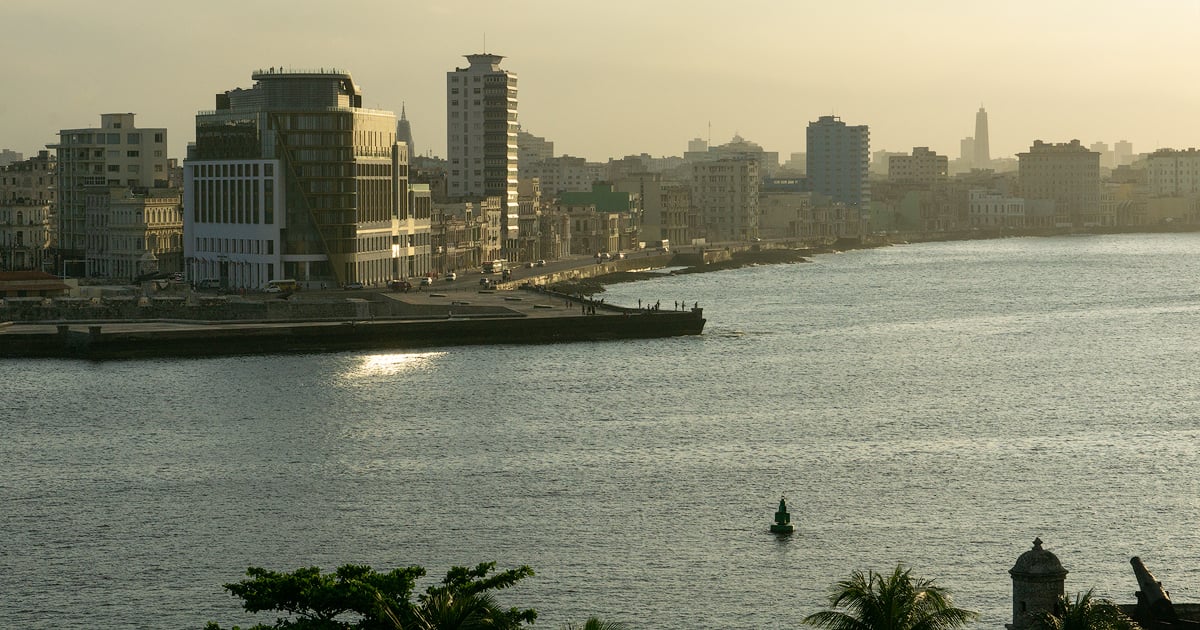
A widespread power outage plunged Havana and several western provinces of Cuba into darkness early Wednesday, sparking a wave of anger, sarcasm, and fatigue on social media. Many Cubans described the ongoing situation as a "daily torture."
The Electric Union (UNE) reported that the blackout affected areas from Cienfuegos to Pinar del Río, leaving the capital city without electricity. Official journalist Lázaro Manuel Alonso later explained that a fault in a transmission line between Santa Cruz del Norte and the Guiteras thermoelectric plant in Matanzas caused an overload, resulting in several power plants shutting down. Although authorities claimed the system did not completely disconnect, the incident reignited the frustration of a population worn out by frequent outages.
Public Reactions and Sarcasm
Comments poured in by the thousands on platforms like Cubadebate, the UNE's national page, and CiberCuba Noticias. "Cut off the communism that's been on life support for years," wrote one user. Another remarked, "This government is a circus." Reflecting the sentiment of many, someone added, "Who are they trying to fool? Just declare a total collapse already; this is embarrassing."
Sarcasm served as a coping mechanism for many. "Work a little faster so we can cook today, since there's no gas either," a woman commented, sarcastically referring to the slow restoration process. Another user noted, "Only Mayabeque and Pinar... I hadn't noticed because we live with constant blackouts and only two hours of power."
Political Criticism and Social Inequality
Some comments criticized the political system directly: "The disaster, the shamelessness has a name: a utopian socialism, a revolution that doesn't change, corruption, and a government focused only on staying in power." For many, the routine of electrical cuts has exhausted any justification: "Enough is enough; it's December, and we can't cook, sleep, or live."
Complaints also highlighted perceived regional inequalities. "It's not just Havana, it's the entire island," one user stated. Another pointed out, "Eastern provinces are disconnected because they barely get power in some circuits." From Las Tunas, someone lamented, "Who will help the municipalities in Tunas? We've been without electricity in Puerto Padre since two in the afternoon. It's abuse; they don't care about children or the elderly."
On CiberCuba Noticias, numerous people echoed that the situation repeats across the country. "Havana isn't the whole country; we're all always in the dark," one person wrote. Another added, "In Camagüey, too, there's been no power since early morning." A woman from Havana summed up the collective weariness: "This is unbearable and abusive. Kids wake up sleepy to study, with mosquitoes, heat, epidemics, no gas to cook—it's killing us slowly."
The Fragility of Cuba's Electrical System
Amidst the frustration, humor was still present. "You'll be a bad basket," joked one user, while another retorted, "That's a revolution achievement." "We almost never have power, it's not just Havana; we're all Cubans," commented a man. Another woman concluded with bitter irony: "Havana woke up in darkness, but Cuba has been living like this for years."
In a later update, Alonso mentioned that the restoration process would be "faster" since the system didn't completely disconnect, confirming that substation energization in the west had begun, a necessary step to gradually restore service. The official explanation detailed that the fault occurred in a transmission line connecting the Santa Cruz del Norte plant with the Guiteras plant.
This episode highlights the structural fragility of the National Electrical System, which has faced deficits exceeding 2,000 megawatts and several partial collapses in recent months. While authorities continue to cite technical failures and overloads, Cubans summed up their reality with a recurring phrase in comments: "This isn't just a blackout; it's a country blacked out."
Understanding the Cuban Power Crisis
What caused the recent power outage in Cuba?
A fault in a transmission line between Santa Cruz del Norte and the Guiteras thermoelectric plant in Matanzas caused an overload, leading to several power plants shutting down.
How has the Cuban population reacted to the power outages?
Cubans have expressed their frustration through social media, using sarcasm and criticism to voice their dissatisfaction with the government's handling of the ongoing power issues.
What are the implications of Cuba's electrical system issues?
The ongoing issues highlight the structural fragility of Cuba's National Electrical System, which has been experiencing significant deficits and partial collapses, affecting daily life across the country.