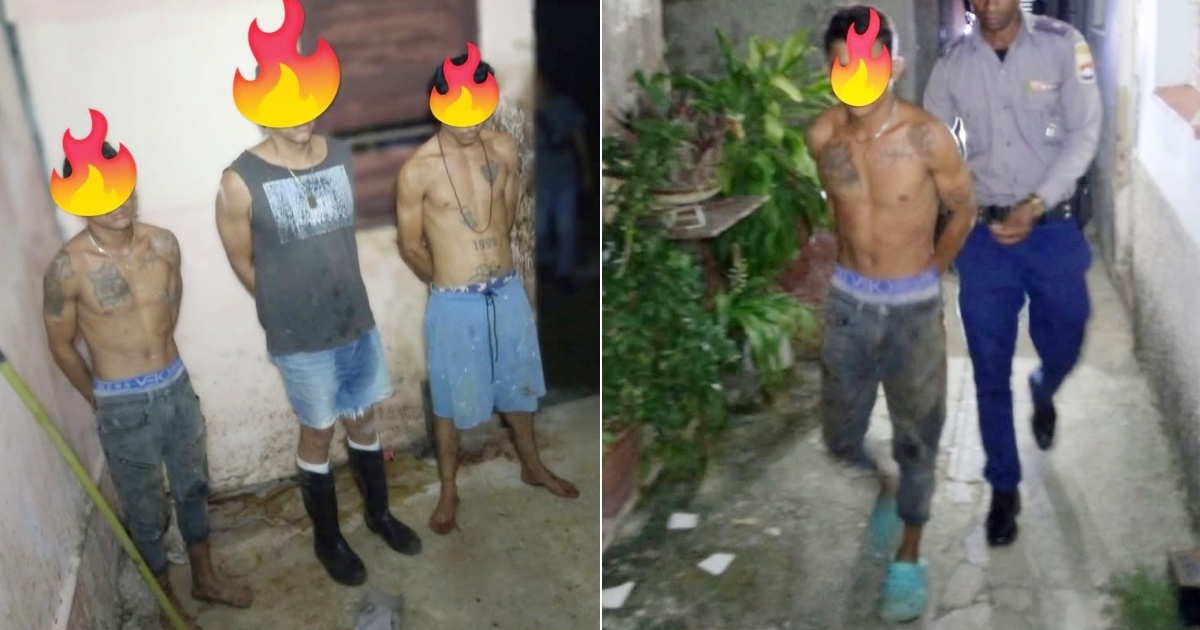
In the neighborhood of Habana Nueva, located in the Guanabacoa municipality, three butchers were caught red-handed by locals while slaughtering a stolen donkey.
The harrowing scene, described by local farmers as "devastating" and "unforgettable," has left the entire community reeling.
The incident, now brought to light by the organization Animal Welfare Cuba (BAC), dates back to November 26 when six animals—five mares with foals and one donkey—vanished from the Vista Hermosa farm in Bacuranao, part of the municipality of East Havana.
These animals were not only the livelihood of a farming family but also living beings subjected to unimaginable violence.
Community Vigilance and Spontaneous Justice
It was the collective vigilance and pressure from the community that led to locating the three culprits. They were caught in the act, with the donkey barely clinging to life.
One of the animals was saved, but the fate of the others remains unknown. The locals not only identified the perpetrators but also documented the incident, reported it, and demanded justice.
"It’s good that they were caught—something positive amidst so much injustice. But now the issue is making sure they aren’t released in three days," lamented one online commenter.
"Not Just Thieves, But Murderers"
While some might see this as mere livestock theft, many view it as an act of heinous cruelty. "These types of thieves are double murderers. They kill the animal and will harm the owner if cornered," warned another commentator.
The inherent violence in these crimes poses threats not just to animals but to human lives as well.
"No token fines or supposed justifications. They need to be jailed for a long time! They plan, steal, abuse, and leave families in fear and danger," another user demanded.
Cubans are calling for more than temporary arrests; they want exemplary punishments for such acts.
Beneath the outrage lies a deeper issue: the absence of effective legislation against animal cruelty in Cuba. "The sad truth is they might go to jail for theft and slaughter, but not for animal cruelty. That’s still in a legal gray area," a user mourned.
The animal welfare law, although approved, remains largely unenforced, leaving countless animals unprotected. "Until there’s a stronger law that includes prison time for all forms of animal abuse, these things will keep happening," cautioned another voice online.
The Faces of Horror: Why Are They Shielded?
Another heated topic is the identity of the perpetrators. Many question why, in such a grave incident, the offenders' faces are obscured when the case is reported.
"They should show their faces. Let everyone see who the murderers are," demanded one commenter.
And this sentiment was echoed by others. "Don’t cover the faces of those criminals; they should be clearly seen and known," insisted another on social media.
This isn't about sensationalism, but about prevention. "If we don’t know who they are, how can we stop them from doing it again?" reasoned a third user.
The call for visibility stems from a need for collective protection, not revenge.
The Unheard Rural Suffering
This case is just a glimpse into a broader reality. In many rural corners of the country, like Camajuaní, Jagüey Grande, or San Juan y Martínez, the theft and slaughter of animals are rampant.
"Farmers have no respite," reported one testimony. "In Vueltas, many have stopped planting because their oxen, cows, horses are stolen… even when the culprit is known, nothing happens," shared another affected individual.
Impunity and poverty create the perfect environment for violence, leaving the most vulnerable—animals—to bear the brunt.
Animal Cruelty and Legal Challenges in Cuba
What led to the arrest of the three butchers in Guanabacoa?
The arrest was a result of community vigilance and pressure after the butchers were caught in the act of slaughtering a stolen donkey.
Why is there public outrage over this animal cruelty case in Cuba?
Public outrage is fueled by the lack of effective animal cruelty legislation and the call for harsher penalties for such acts, as well as the broader issue of theft and slaughter in rural areas.
What are the implications of the current animal welfare law in Cuba?
Although an animal welfare law exists, its poor enforcement leaves many animals unprotected, and offenders often face minimal consequences.