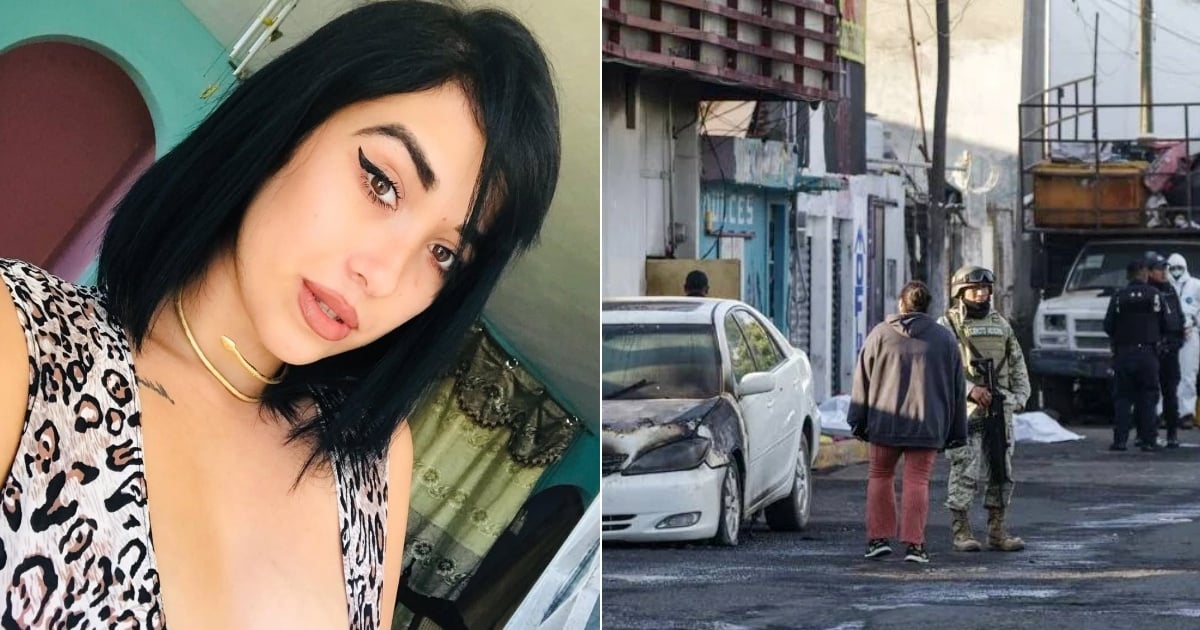
Mexican immigration authorities have issued humanitarian visas to the parents of Elianis Betsalie Martínez, the young Cuban woman who was killed in an attack on the Lacoss bar in the city of Puebla. This tragic incident has sent shockwaves through the Cuban migrant community, both on and off the island.
Confirmed by local media outlets such as A Tiempo Noticias, Epicentro Diario, and Diario Cambio, these special permits will allow the parents to travel from Cuba to formally identify their daughter's body, handle funeral arrangements, and return with her ashes. This is an unprecedented measure for Cuban citizens amidst the rampant criminal violence in Mexico.
Remote Identification via Video Call
Elianis, only 20 years old, was officially identified through a Zoom video call, as her family, residing in the rural areas of Holguín, was unable to travel immediately to Mexico. Her aunt Sarahí and maternal grandfather participated in the call, confirming her identity to the Mexican Forensic Service staff.
This remote process, involving the examination of post-mortem photographs and the verification of physical features, was deemed an exceptional measure by prosecutors and forensic experts, given the family's financial and migratory constraints.
Administrative Limbo Resolved
Due to these limitations, Elianis's body remained unclaimed for several days until the National Institute of Migration finally approved the humanitarian visas for her parents. With the visa in hand, they can now travel to Puebla, stay in Mexico for up to six months, and complete the necessary procedures that were previously halted due to travel restrictions and lack of resources. They plan to return to Cuba with their daughter's ashes, as they initially wished.
A Journey for Closure, Marked by Distance
The father of Elianis shared that she had recently migrated to Mexico "in search of a better world," and was just a few weeks into working in nightclubs. Her untimely death leaves behind a two-year-old child now facing life as an orphan.
The attack on Lacoss bar took place in the early hours of November 18, when an armed group doused the premises with gasoline and set it ablaze after threatening patrons and staff. Local authorities have linked the incident to an alleged extortion attempt. In total, seven lives have been lost.
Elianis's story, as a dancer, young mother, and primary provider for her family, serves as a stark reminder of the precariousness faced by Cuban migrants in Mexico, many of whom are caught between economic desperation and the violence plaguing the country.
Understanding Humanitarian Visas for Cuban Families
What is a humanitarian visa?
A humanitarian visa is a special permit that allows individuals to enter a country for compassionate reasons, such as to attend to the needs arising from a tragic event or emergency, like the one issued to the parents of Elianis Betsalie Martínez.
Why was the humanitarian visa necessary for Elianis's parents?
The visa was necessary to allow Elianis's parents to travel to Mexico to identify her body, handle funeral arrangements, and bring her ashes back to Cuba, as they faced travel restrictions and financial difficulties.
How did the authorities confirm Elianis's identity?
Elianis's identity was confirmed via a Zoom call with her aunt and grandfather, who identified her through post-mortem photographs and physical characteristics, due to the family's inability to travel to Mexico immediately.