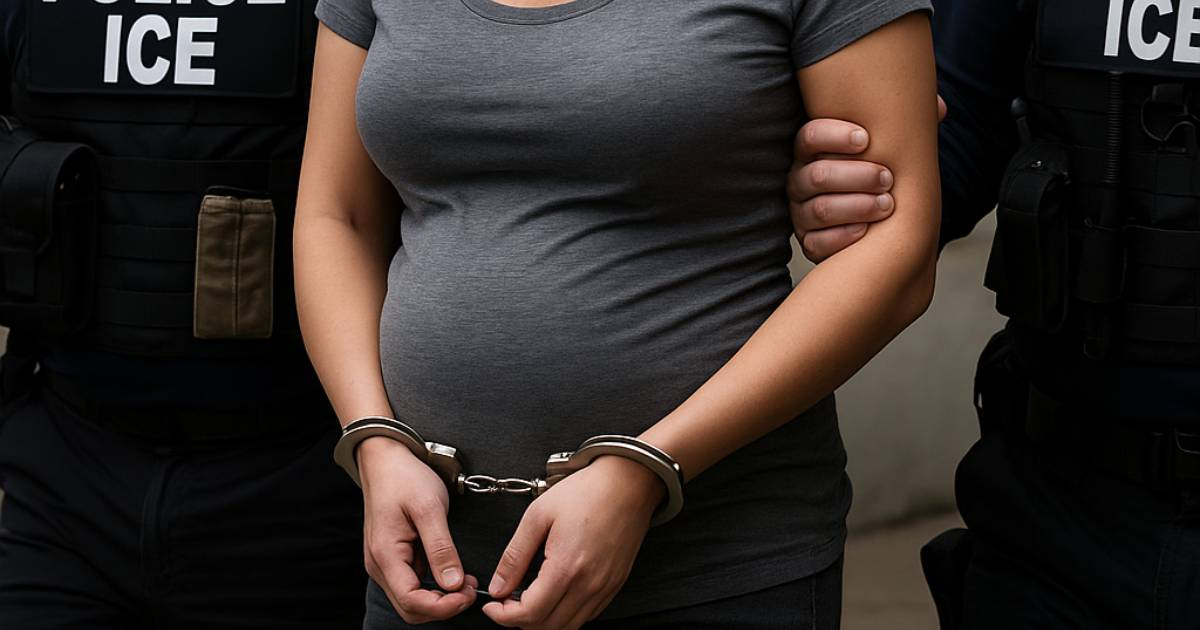
A report by The Independent has shed light on the harrowing treatment faced by pregnant women in U.S. Immigration and Customs Enforcement (ICE) detention centers. The allegations include medical neglect, inadequate nutrition, infections, and even miscarriages.
These revelations are particularly alarming for the Cuban immigrant community, which has experienced a surge in detentions, including young mothers, during recent ICE raids and operations.
One of the most distressing stories is that of Alicia, an immigrant who had lived in Louisiana for nearly a decade before being arrested during a routine ICE check-in. Despite federal guidelines that prohibit the detention of pregnant women, she was held at the South Louisiana Processing Center for three months.
During her detention, Alicia discovered she was pregnant. She reportedly experienced severe pain, bleeding, and other symptoms that led to a miscarriage. The situation worsened when she underwent a medical procedure without her consent or understanding, as it was explained in English—a language she didn't speak fluently. After repeated requests for medical help were ignored, she developed a vaginal infection that went untreated until her deportation in July.
A letter from civil rights organizations to ICE includes testimonies from over a dozen pregnant or postpartum women detained in facilities across Louisiana, Georgia, and Illinois. These accounts reveal alarming patterns of inadequate food, minimal portions, weeks without protein, freezing temperatures, overcrowded conditions, and subpar medical services. Some women reported receiving only "one frozen burrito a day," while others mentioned food infested with mold or insects.
Impact on Cuban Immigrants
Although the report does not specify nationalities, the issue resonates deeply with Cuban migrants, a group particularly vulnerable to detention. In recent years, pregnant Cuban mothers or those with young children have been targeted in raids, unexpected checks, and immigration court reviews. Any misstep, such as incomplete records, missed notifications, or unprocessed address changes, can result in ICE detention.
For Cuban families escaping economic hardship, violence, or inadequate healthcare on the island, facing a pregnancy in a detention center—without proper language support, food, or medical care—poses a risk many couldn't foresee when embarking on their journey to the U.S.
Organizations reporting these abuses have urged ICE to immediately review all cases of pregnant women and release them from custody. As of The Independent's report, the agency has yet to respond.
Stories like Alicia's highlight a harsh reality: being a migrant, a woman, and pregnant in the United States can become, under the current system, a sentence of neglect and silence. This threat also looms over Cuban women seeking refuge, family reunification, or a safer future in the north.
Frequently Asked Questions about ICE Detention and Pregnant Women
What are the main issues pregnant women face in ICE detention?
Pregnant women in ICE detention face medical neglect, inadequate nutrition, infections, and the risk of miscarriages. They often endure freezing temperatures, overcrowding, and insufficient medical care.
How has the Cuban immigrant community been affected by ICE operations?
The Cuban immigrant community has seen an increase in detentions, including young mothers, during ICE operations. This group faces vulnerabilities due to language barriers and the risk of detention over minor administrative errors.
What actions have been suggested to address the treatment of pregnant women in ICE custody?
Organizations have urged ICE to review all cases of pregnant women in detention and release them from custody. They emphasize the need for immediate action to prevent further harm.