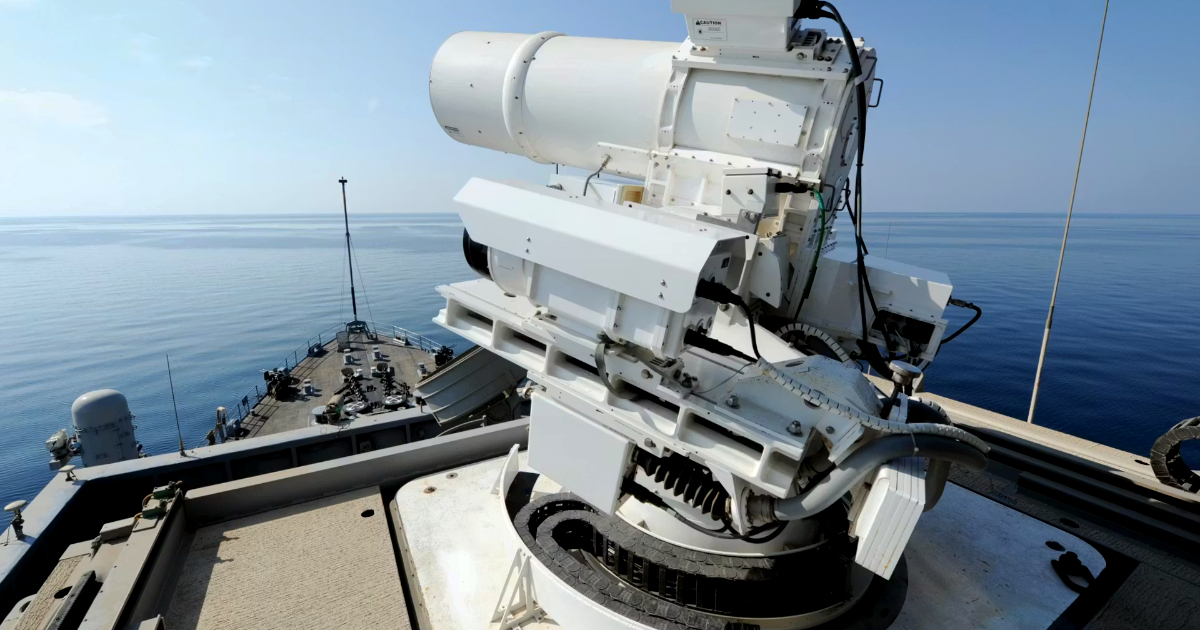
The Cuban Foreign Minister, Bruno Rodríguez Parrilla, raised concerns on Saturday through his account on X—formerly known as Twitter—alleging ongoing "persistent electromagnetic interference in the Caribbean, particularly over Venezuelan airspace."
In his remarks, Rodríguez Parrilla linked this interference to what he described as the "offensive and extraordinary military deployment by the United States in the region." He asserted that this action is part of a broader military aggression and "psychological warfare" aiming to "forcibly overthrow" the Venezuelan government.
This accusation arises amidst escalating tensions in the Caribbean, following recent U.S. governmental maneuvers such as the declaration by Donald J. Trump to close airspace over Venezuela, alongside indications of military reinforcement in the area.
From Havana, diplomatic warnings have grown increasingly urgent. In addition to the recent claim by the Cuban Foreign Minister about "persistent electromagnetic interference" over Venezuela, the Cuban government has stated that any military action by Washington against Caracas is not merely a threat to Venezuela but to all of "Our America."
In an official statement released in September, the Cuban regime appealed for "international support" to prevent what it sees as an imminent war between the U.S. and Venezuela, cautioning that direct aggression could have "incalculable consequences" for the peace and stability of the region.
The Deputy Foreign Minister was more explicit in his denunciations, accusing Washington of potentially seeking to "violently overthrow" the Venezuelan government, which the Trump administration directly associates with the drug trafficking operations of the Cartel of the Suns.
While Havana has expressed "total and complete" support for Nicolás Maduro, it has refrained from committing to military intervention on his behalf. In a recent interview, Rodríguez Parrilla declined to comment on whether Cuba would enter into conflict if Venezuela were invaded, stating their support would remain political and diplomatic.
This clear formal distancing—a promise of solidarity without resorting to arms—is seen as a precautionary measure by the Cuban regime: although ideologically aligned with Caracas, it is aware of the high costs involved in entering an armed conflict with the United States, particularly as the internal crisis on the island worsens.
Nevertheless, joint statements from Cuba and Venezuela suggest a veiled warning: any aggressive U.S. intervention against Caracas could trigger "unpredictable regional effects."
Havana maintains the narrative that an attack on Venezuela would equate to aggression against the entirety of Latin America, potentially "activating" solidarity in unspecified ways.
For Cuba, the implication of a U.S. military escalation in the Caribbean poses a direct threat. Not only because of its geographical proximity but also due to the potential consequences for regional stability, mass migrations, and international pressure on allied regimes.
Therefore, Havana currently blends strong rhetoric—denouncing "psychological warfare," "interference," "threats," and "aggression"—with calculated ambiguity regarding its potential military involvement.
In this framework, solidarity with Caracas serves both to reaffirm an anti-imperialist "salon" stance and to warn Washington: any escalation in the Caribbean could have consequences beyond Venezuela. Yet, for now, the Cuban regime prefers to remain militarily non-committal—a choice rooted in both prudence and survival.
Key Questions About U.S. and Cuban Relations
What is the alleged electromagnetic interference by the U.S. over Venezuela?
Cuba's Foreign Minister claims that the United States is engaging in persistent electromagnetic interference in the Caribbean, particularly over Venezuelan airspace, as part of a broader military and psychological warfare strategy.
How has Cuba responded to U.S. military actions in the Caribbean?
Cuba has issued urgent diplomatic warnings, expressing solidarity with Venezuela and cautioning against U.S. military actions. However, it has refrained from committing to military intervention, opting for political and diplomatic support instead.
What are the potential consequences of a U.S. military escalation in the Caribbean?
A U.S. military escalation in the Caribbean could lead to regional instability, mass migrations, and increased international pressure on allied regimes, posing a direct threat to Cuba and the broader Latin American region.