President Donald J. Trump of the United States announced on Friday a complete shutdown of the airspace over and around Venezuela. This decision significantly heightens regional tension and represents a new chapter in the ongoing confrontation with Nicolás Maduro's regime.
In a post on his social media platform, Trump issued the directive to "all airlines, pilots, drug traffickers, and human traffickers," warning that Venezuelan airspace "must be considered entirely closed."
The directive, emphasized in capital letters, was perceived as a direct military warning to both civil aviation and illicit operations related to drug trafficking and human smuggling in the area.
International analysts have interpreted the U.S. President's message as a potential precursor to military actions against the Chávez regime. Such a total airspace closure often precedes military interventions or strategic air blockades.
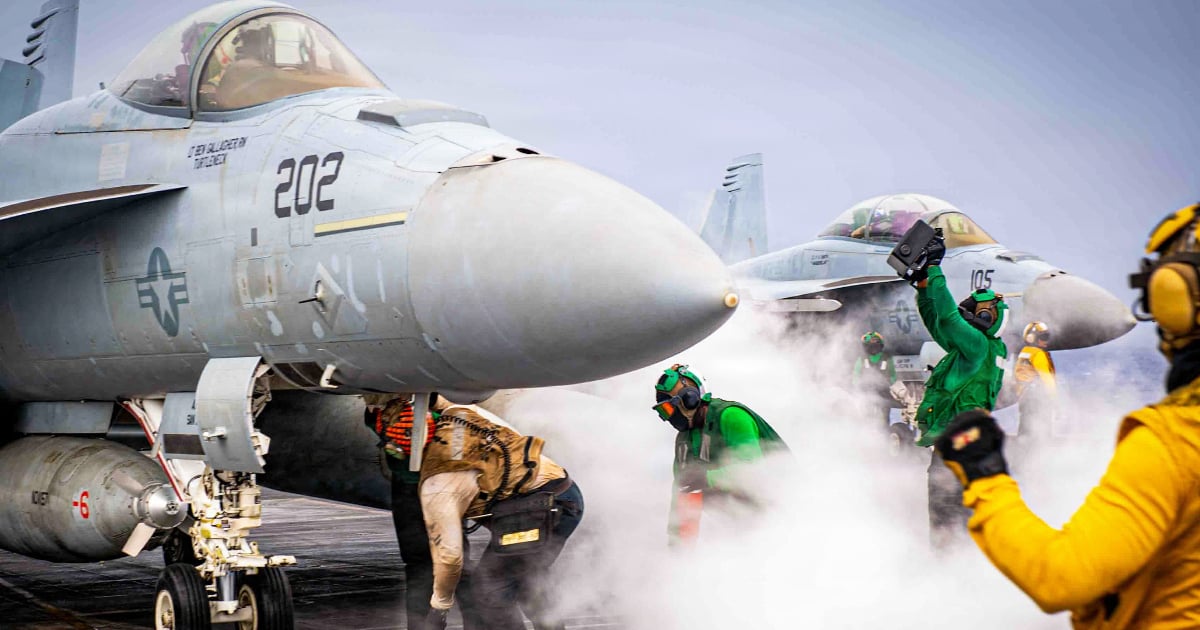
Given the current situation—with the increased presence of U.S. naval and air forces in the Caribbean—this warning could be seen as a preparatory phase for completely isolating Venezuela. The goal appears to be to sever supply routes, drug trafficking, and international support for Maduro's government.
The airspace shutdown might impact commercial flights connecting Caribbean and South American nations, representing one of the most severe measures taken by Washington since it began its offensive against the Cartel of the Suns.
Experts believe that the presidential directive signifies a peak in military and political pressure on Venezuela. This comes amid the growing mobilization of U.S. forces in the Caribbean and the Chávez regime's anxiety over a possible more forceful action.
Understanding the Impact of US Airspace Closure Over Venezuela
Why did Trump order the closure of airspace over Venezuela?
President Trump ordered the closure to increase pressure on Nicolás Maduro's regime and possibly as a preliminary step towards military action or strategic isolation.
How might this airspace closure affect commercial flights?
The closure could disrupt commercial flights connecting Caribbean and South American countries, affecting travel and trade routes in the region.
What are the potential consequences of this move by the United States?
The airspace closure could lead to increased military tension and might precede further U.S. actions, potentially isolating Venezuela and cutting off illicit operations.