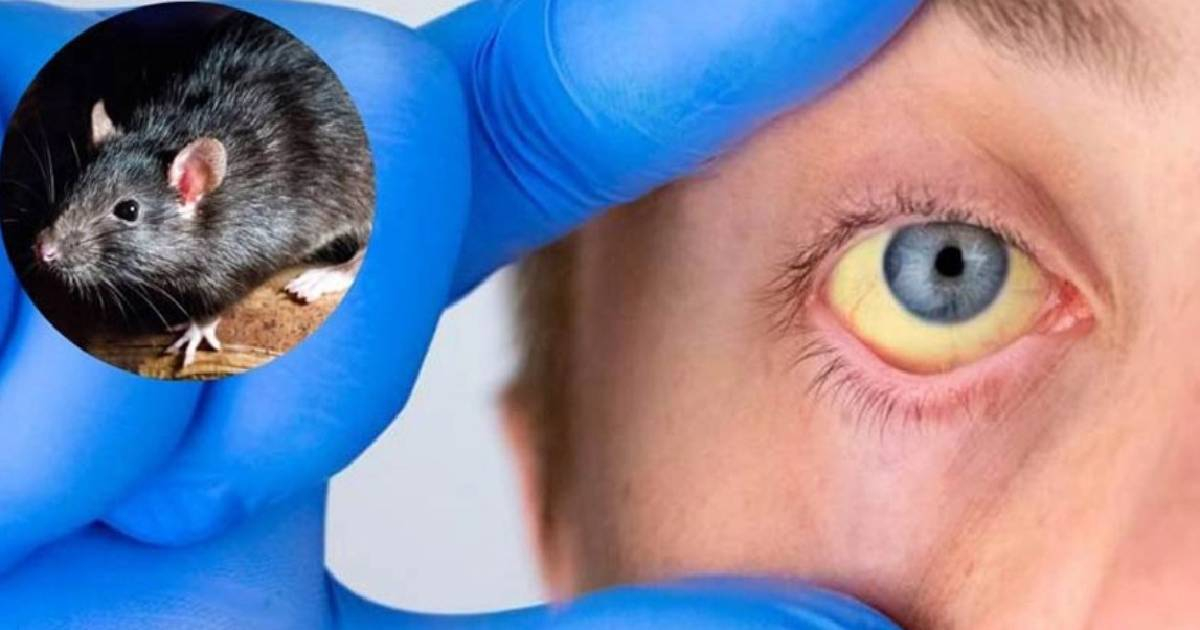
Health officials in Holguín are on high alert due to the potential rise in leptospirosis infections following Hurricane Melissa. The storm left behind flooding and contaminated waters, creating ideal conditions for the spread of this deadly bacterium.
With contaminated waters now prevalent, individuals are at risk of infection through open wounds, particularly on the feet, legs, and hands. This warning was issued on November 27 by the provincial broadcaster Radio Angulo on their digital platform.
Holguín is currently grappling with a severe sanitary crisis, characterized by waste accumulation and a surge in mosquito populations. This has led to illness outbreaks among both adults and children, particularly in the Lenin neighborhood, as reported by residents.
Leptospirosis is an illness caused by the Leptospira interrogans bacterium, affecting humans and various mammals, birds, amphibians, and reptiles, with dogs and rodents being notable carriers.
Historically, Holguín has seen high rates of this disease, exacerbated by poor sanitation and the raising of animals like pigs, which serve as continuous infection sources through direct contact with their urine.
The provincial health system has declared an epidemiological alert to ensure that patients presenting symptoms receive timely medical attention.
Health authorities have advised that rice farmers, individuals crossing swollen streams, animal handlers, and agricultural workers adopt basic protective measures, including wearing gloves, work boots, and frequent hand washing after engaging in risky activities.
In humans, the bacterium enters through the skin or mucous membranes, spreading into the bloodstream and impacting organs such as the liver and kidneys. It is excreted in urine, and contact with it is a transmission route. The disease duration varies from a few days to over three weeks, depending on severity.
Symptoms of this zoonosis include fever, jaundice, and calf pain, although headaches, muscle, joint, and bone pain, and even hemorrhages may also occur.
Health officials have stressed the importance of not delaying medical consultation, as worsening symptoms could lead to severe complications, making treatment more challenging.
Radio Angulo has advised maintaining a clean and orderly environment, avoiding bathing in reservoirs, wells, or rivers, using protective gloves and boots when working with animals, and preventing rodent infestations through proper waste disposal.
The state media warned against walking unprotected in pig enclosures or barefoot in muddy yards, as these are prime entry points for the bacterium.
Hurricane Melissa's impact has left Holguín with widespread flooding and compromised sewage systems, perfect conditions for leptospirosis proliferation.
The province now faces the dual challenge of recovering from the hurricane's material damages and preventing a potential epidemic that poses a threat especially to rural communities and agricultural workers exposed to contaminated waters.
Additionally, in the wake of the hurricane, the eastern region is experiencing an epidemiological decline and a rise in febrile syndromes, highlighted by the circulation of chikungunya and dengue serotype four.
Understanding Leptospirosis and Hurricane Impact in Holguín
What is leptospirosis and how is it transmitted?
Leptospirosis is an infection caused by the bacterium Leptospira interrogans, affecting humans and various animals. It is transmitted through contact with contaminated water, soil, or urine from infected animals.
Why is Holguín at higher risk of leptospirosis after Hurricane Melissa?
Hurricane Melissa caused flooding and contamination of water sources in Holguín, creating conditions conducive to the spread of leptospirosis. Poor sanitation and contact with infected waters increase the risk.
What preventive measures are recommended to avoid leptospirosis?
Preventive measures include wearing protective gear like gloves and boots, maintaining hygiene through frequent handwashing, and avoiding contact with potentially contaminated water.