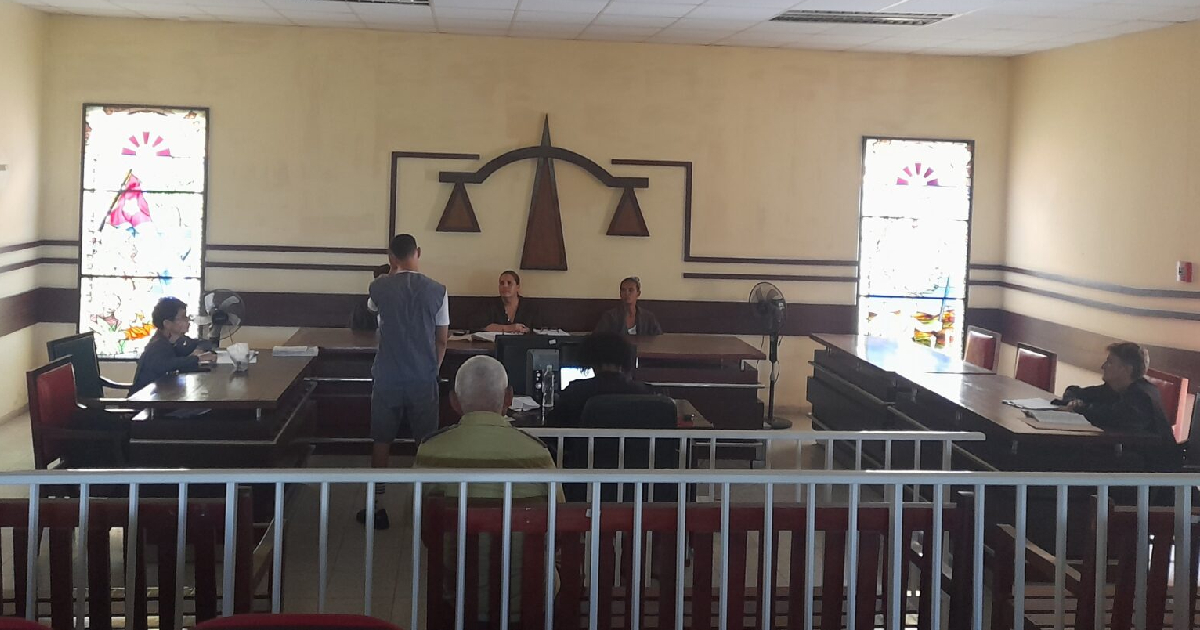
Prosecutors have called for sentences ranging from eight to 16 years in prison for members of a network involved in illegal drug trafficking, who were tried on Monday at the Provincial Court of Matanzas, as reported by official sources.
The trial took place in the First Criminal Chamber of the court, where seven individuals faced charges related to possession and distribution of synthetic cannabinoids, commonly referred to as "chemical," according to a statement from the police shared on the Facebook page "Heroes in Blue in Cuba."
The Cuban News Agency (ACN) reported that two of the accused purchased the drugs in Havana from a resident in San Miguel del Padrón, aiming to sell them at higher prices in Matanzas, particularly in the neighborhoods of Pueblo Nuevo and Peñas Altas.
These narcotics were transported from the capital by "mules" — individuals responsible for carrying the drugs — who also sold them to potential buyers in the Matanzas province, the report elaborated.
The prosecuting attorney has requested prison terms for the defendants ranging between eight and 16 years, "depending on the severity of their actions." The verdict is scheduled to be announced on December 30.
Professional judge Mirielis Morales Rondón emphasized that the offenses in this case are outlined in articles 235 to 238 of the current Penal Code, and their prosecution "is prioritized by the government's zero-tolerance drug policy," due to the severe health impacts of these substances, especially among youth, who are most affected by consumption and also frequently involved in committing these crimes.
According to the official statement, "Throughout the process and during the trial, strict adherence to procedural guarantees and respect for due process, as enshrined in the Constitution of the Republic of Cuba, were ensured."
Drug trafficking and consumption in Cuba have surged to unprecedented levels in recent years.
Despite the regime's increased police operations and tougher criminal penalties, the sale and use of narcotics — particularly synthetic substances like "chemical" or "paperillo" — continue to rise in the country, highlighting the inadequacy of the government's strategy.
Data released in September by the Ministry of the Interior indicated that over 1,500 individuals have been arrested for drug-related offenses since the start of the year. Authorities have seized 81 kg of narcotics, 11,000 plants, 23,000 seeds, five firearms, and traffickers' assets, while dismantling five criminal networks operating from José Martí International Airport in Havana.
In its efforts to curb the crime wave associated with drugs, the regime has launched a nationwide judicial offensive aiming to impose exemplary sanctions, which serve more as social warnings rather than effective justice mechanisms.
Meanwhile, in July, the Supreme Court issued a ruling that increased penalties for those possessing or distributing synthetic drugs, which are highly toxic and have devastating health effects.
However, these measures fail to address the underlying issues: the lack of opportunities in the country, youth unemployment, and social vulnerability that facilitate drug trafficking and consumption.
Understanding Cuba's Drug Trafficking Challenges
What are the primary substances involved in drug trafficking in Cuba?
Synthetic cannabinoids, known locally as "chemical" or "paperillo," are primarily involved in drug trafficking in Cuba.
What measures has the Cuban government taken to combat drug trafficking?
The Cuban government has intensified police operations, imposed stricter criminal penalties, and initiated a judicial offensive to curb drug-related crimes.
Why are current strategies insufficient in tackling drug problems in Cuba?
Current strategies are insufficient due to not addressing root causes such as lack of economic opportunities, youth unemployment, and social vulnerability.