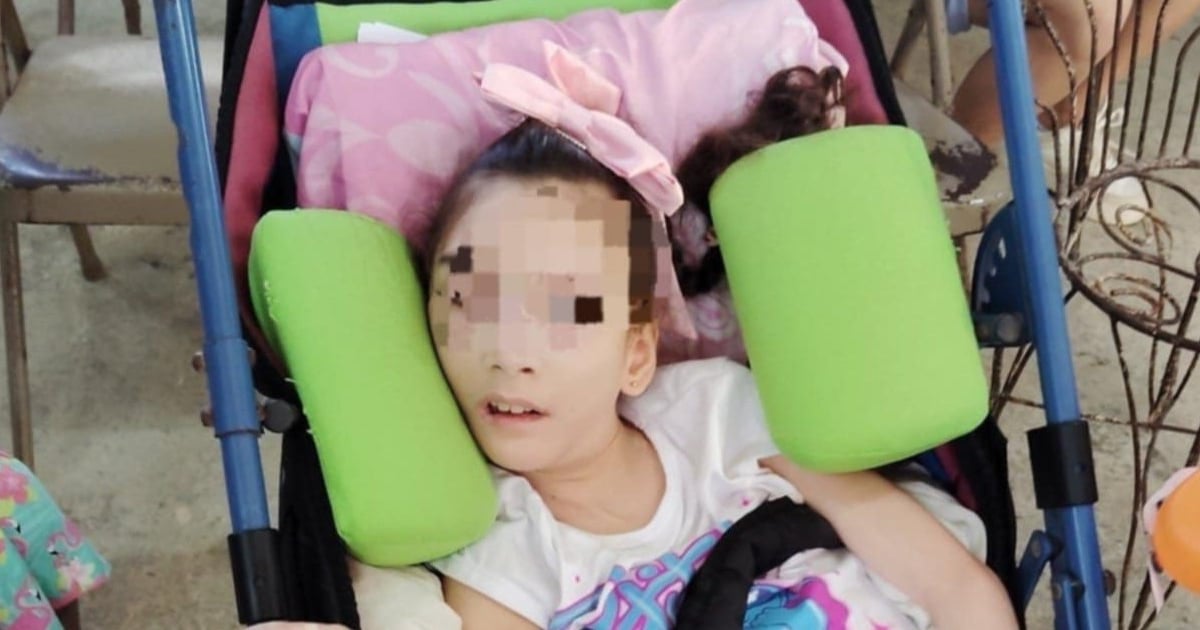
The Cuban community woke up heartbroken upon learning of the death of Nabila, a young girl with cerebral palsy who was part of the humanitarian initiative "Breath of Life," a program dedicated to supporting children and youth with this condition.
The news was confirmed by project coordinator Yankiel Fernández, who shared a heartfelt message on Facebook to bid farewell to the little girl.
Fernández described her as "one of our beloved princesses," remembered for her courage in facing her health challenges and the joy she brought to everyone involved in her journey.
"Despite the challenges she faced, her radiant spirit and smile taught us to cherish every moment and fight with love," Fernández remarked.
The activist expressed gratitude to those who assisted, donated, and supported the young girl's family during her life. "Your generosity and compassion made it possible for Nabila and other children like her to receive the love and care they deserve," he stated.
Dozens of people expressed their condolences, sending words of strength to the parents and other family members who have faced a tough battle marked by material shortages and the frailty of the Cuban healthcare system over the years.
The Struggle Amidst Scarcity
Nabila's passing reignites the debate about the situation of children with severe disabilities in Cuba, whose survival depends on medications that are nearly impossible to acquire on the island.
In September 2023, comedian and philanthropist Limay Blanco publicly appealed for help so that the child could access Clobazam, a crucial medication for controlling her seizures.
This appeal highlighted the harsh reality faced by thousands of Cuban families forced to rely on solidarity networks, donations from abroad, or desperate searches on social media to obtain basic medications.
Many of these drugs are not available in pharmacies, and when they are, their price in the informal market is beyond reach for most people.
The shortage of medicines, medical supplies, special foods, and resources necessary for the care of individuals with particular needs has worsened amid the country's ongoing crisis.
While the government continues with triumphant messages and official celebrations, the absence of effective policies and a healthcare infrastructure capable of meeting demand hits the most vulnerable the hardest.
The Repeated Pain
The community of the "Breath of Life" project mourned that Nabila is among several children who have recently passed away within their support program for minors with cerebral palsy.
"Nabila will always live in our hearts, and we will continue her fight by promoting inclusion and love. May her story inspire us to keep offering hope and support to those who need it most," expressed the leader of the initiative.
Although the organization pledges to continue providing support and promoting inclusion, the collective grief underscores the structural neglect of the most fragile sector of Cuban society.
In today's Cuba, the survival of a sick child depends not only on the public health system but also on the solidarity of strangers and spontaneous donations.
In a country that for decades boasted of its free medical care, the life of a sick child may now hinge on something as basic—and scarce—as a medication.
Nabila's story, as Fernández noted, leaves a mark. But it also raises questions about a system that fails to protect those who need help the most: children fighting for their lives.
Addressing Health Care Challenges in Cuba
What was "Breath of Life" and its purpose?
"Breath of Life" is a humanitarian initiative aimed at providing support and care to children and youth with cerebral palsy in Cuba.
Why is Clobazam important for children like Nabila?
Clobazam is a crucial medication for controlling seizures in children with conditions like cerebral palsy, making it vital for their well-being and quality of life.
What challenges do Cuban families face in obtaining medications?
Cuban families often struggle to access essential medications due to severe shortages, requiring them to rely on solidarity networks, foreign donations, or informal markets where prices are prohibitively high.
How does the Cuban healthcare system impact vulnerable populations?
The Cuban healthcare system's inability to effectively meet demand disproportionately affects vulnerable populations, including children with severe disabilities, due to a lack of resources and infrastructure.