The Cuban Council of Ministers has endorsed a fresh set of regulations enabling, structuring, and broadening wholesale sales by non-agricultural SMEs and cooperatives. This initiative aims to "revitalize the economy" and redefine interactions between state entities and private sectors.
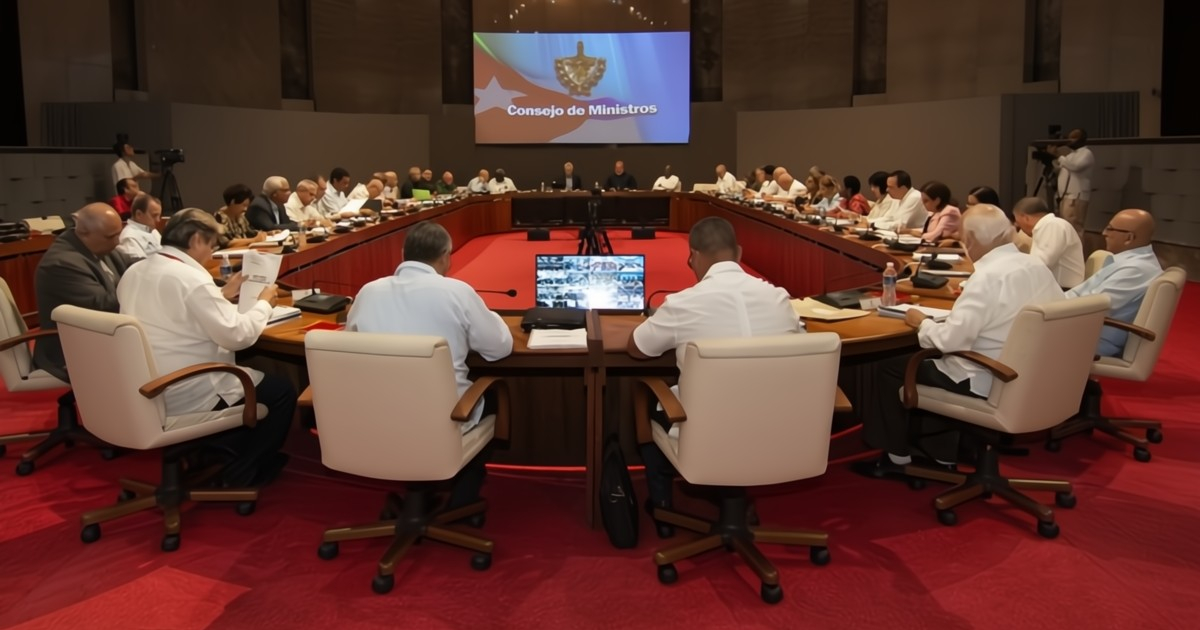
During the government’s monthly assembly, Betsy Díaz Velázquez, the Minister of Domestic Trade, delivered a report on restructuring commerce within the non-state sector. This report was approved, marking significant shifts in how private enterprises will operate.
Expanded Wholesale Relations
SMEs and CNA functioning as wholesale distributors can now enter into contracts with a variety of entities, including:
- State-owned enterprises
- Budgeted units
- Religious institutions
- International and diplomatic organizations
- Foreign companies
- Private economic agents
- Users of the Mariel Special Development Zone
Private Producers Can Sell Wholesale and Retail
The government confirmed that SMEs, cooperatives, and self-employed workers, whose social purpose includes production, are allowed to sell their goods both wholesale and retail. This also includes raw materials and products related to their primary activities.
Centralized Approval for New Wholesalers
The establishment of new businesses dedicated to wholesale trade must be processed through the economic actors' platform. Such ventures are contingent on their alignment with the territorial development strategy and must have wholesale trade as their principal activity.
Official Goal: Increased Production and Lower Prices
The minister emphasized that the new regulations streamline and clarify commerce, fostering clearer relationships between state and private actors. These changes are intended to boost the supply of goods and services and reduce prices for the public.
A Nationwide Consultative Process
According to Mercedes López Acea, head of the National Institute of Non-State Economic Actors, the regulation integrates concerns and suggestions from SME representatives and municipal governments. It aims to prevent supply disruptions and ensure the stable provision of products and raw materials.
Prime Minister Manuel Marrero stated that the measure is "not prohibitive" and will facilitate retail trade, fundamentally based on wholesale distribution.
This new regulation surfaces in a context where, over the past year, the government has imposed stringent restrictions on private wholesale commerce, including mass license cancellations and severe limitations on producers and self-employed individuals. While the official narrative presents this move as a step towards market flexibility and reorganization, questions remain about whether it is genuinely an opening or simply a reconfiguration of state control over SMEs. With a centralized authorization system and a recent history of closures and prohibitions, it remains to be seen if these measures will genuinely provide more leeway for private actors or if they will continue to function within a narrow and restricted framework.
Understanding the New Cuban Wholesale Regulations
What changes have been made to wholesale sales in Cuba?
The Cuban government has authorized non-agricultural SMEs and cooperatives to engage in wholesale sales, allowing them to contract with various entities, including state and private sectors, as part of efforts to stimulate the economy.
Who can SMEs and cooperatives sell to under the new regulations?
SMEs and cooperatives can now sell wholesale to state-owned entities, budgeted units, religious organizations, international bodies, foreign companies, private economic actors, and users of the Mariel Special Development Zone.
What is the impact of these regulations on private producers?
Private producers, including SMEs and cooperatives, are permitted to sell their products both wholesale and retail, which could enhance their market reach and economic impact.