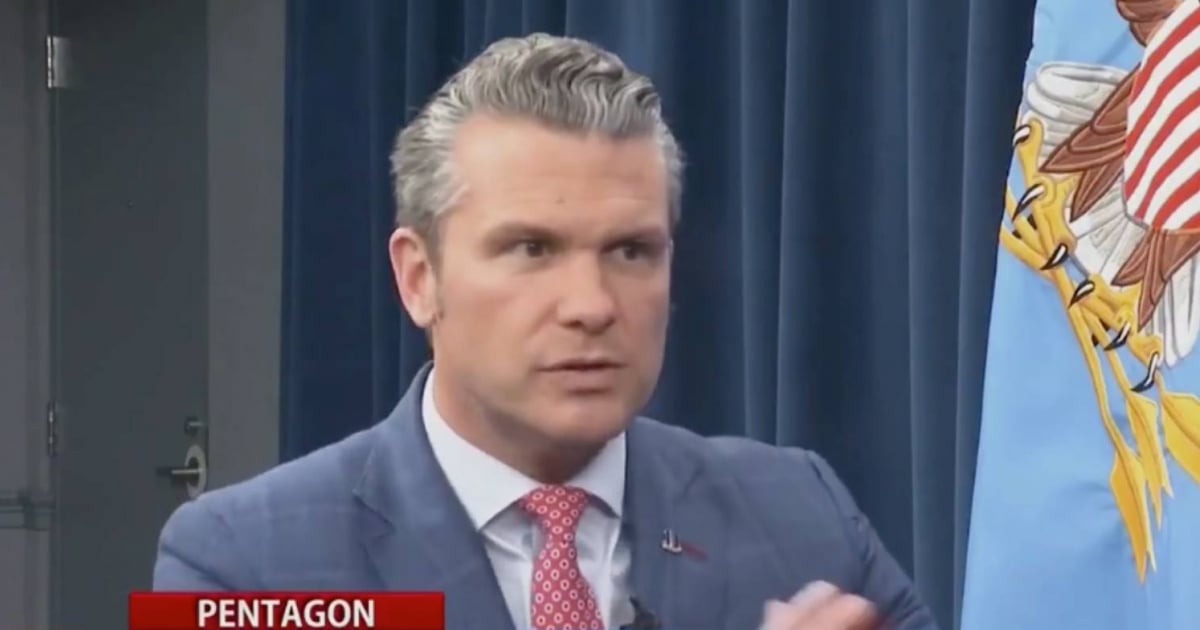
In a recent interview with American media, U.S. Defense Secretary Pete Hegseth labeled Venezuelan leader Nicolás Maduro as a "murderous dictator" and claimed to have evidence linking him to international drug trafficking operations.
"We are fully aware of Maduro's identity. He is a murderous dictator, directly involved in drug trafficking and the brutal repression of his own people," stated Hegseth while addressing questions about Venezuela's political and security landscape.
Hegseth emphasized that the Trump administration maintains a resolute stance against the chavista regime, asserting that sanctions on senior Venezuelan officials "will remain in place as long as persecution, corruption, and drug shipments to the United States continue."
"Maduro has not only devastated Venezuela's economy but has also turned the country into a drug trafficking route and a haven for criminal and terrorist groups," the Pentagon chief added, reaffirming Washington's commitment to supporting the Venezuelan people in their "struggle for freedom and the return to democracy."
These allegations are not new, as the U.S. Department of Justice has already filed federal charges against Nicolás Maduro for allegedly conspiring to traffic cocaine into the U.S.
Key Questions on U.S. Stance Towards Nicolás Maduro
What are the accusations against Nicolás Maduro?
Nicolás Maduro is accused of being a "murderous dictator" involved in international drug trafficking and suppressing his own people. The U.S. Department of Justice has also filed federal charges against him for allegedly conspiring to traffic cocaine into the United States.
What is the U.S. government’s position on sanctions against Venezuela?
The U.S. government maintains a firm position against the Venezuelan regime, stating that sanctions will not be lifted as long as there is ongoing persecution, corruption, and drug trafficking activities directed towards the United States.