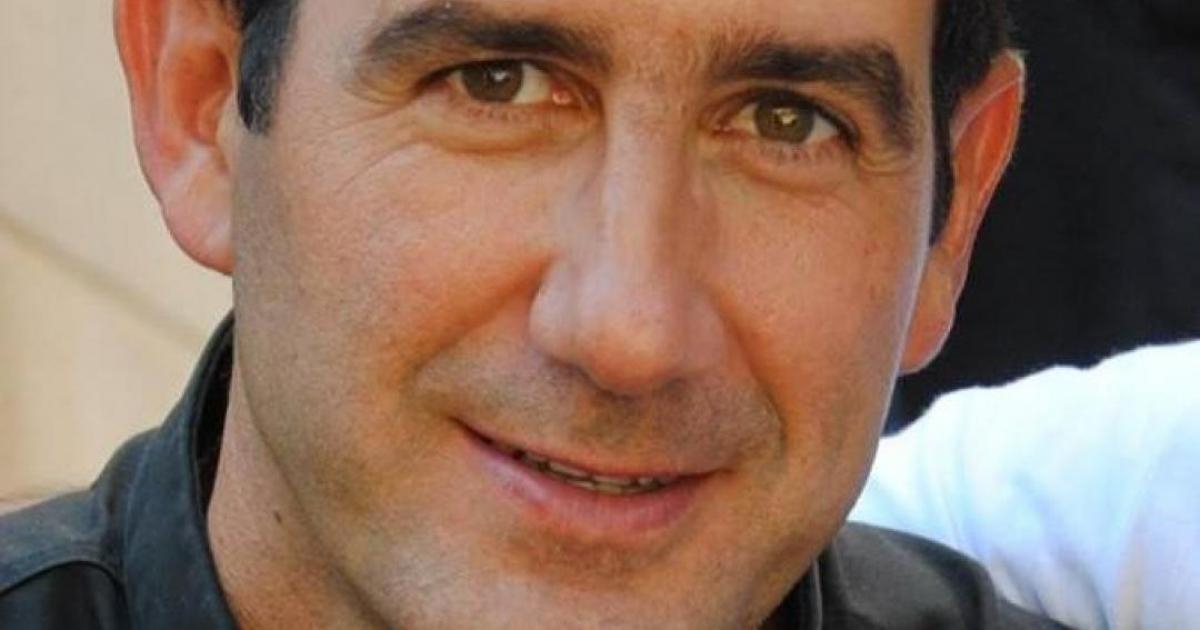
The Cuban priest, Alberto Reyes, voiced strong accusations this Friday, asserting that the Cuban regime is exacerbating the nation's health and social crises as a deliberate strategy to "crush hope" and prevent any potential uprising.
In a post shared on Facebook, the priest from Camagüey delved into the country's current circumstances, proposing a hypothesis he believes to be evident: Cuba is in the throes of a national health crisis that the government has neither officially acknowledged nor taken substantial steps to address.
"A national health crisis is clearly present, yet the government has not declared an official health emergency nor implemented any significant measures to remedy it," the priest noted.
Reyes condemned the regime's apathy towards the people's suffering, pointing out that the government's announced measures will only make life "more arduous and harsh for the people."
Drawing from the theories of sociologist James C. Davies, Reyes elaborated that populations do not typically rebel during extreme destitution but rather when a period of improvement is abruptly halted, leading to frustration and anger.
From this viewpoint, he warned that the regime aims to keep Cubans hopeless, worsening living conditions to prevent a repeat of the social unrest that occurred on July 11, 2021.
"To prevent another rebellion like the one on July 11 (11J), the government cannot allow improvements that would foster expectations and hope," he stated.
"Thus, hope must be crushed even more intensely; life must be made harsher, leaving people to fend for themselves amid illness and poverty," he insisted.
Reyes concluded his message with a hopeful reflection, trusting in the Cuban people's ability to break free from this cycle of oppression: "Human beings are remarkable, and one day they might look at their misery and seriously ask, 'Why do I have to keep living like this?' From that question to the definitive 'Enough is enough!' is just a step."
Father Alberto Reyes has emerged as one of the most steadfast voices within the Cuban clergy against the regime, embodying the profound humanism of his vocation.
In one of his most forceful denunciations, he labeled the Cuban government's management as "genocide," holding it accountable for the structural collapse facing the populace, where medications, medical care, and basic conditions for a dignified life are scarce.
Months earlier, he blamed Fidel Castro himself for instilling brazenness in Cuba's political and social structure by imposing a logic of impunity, manipulation, and repression, which, according to the priest, remains prevalent today.
In that same vein, he accused the regime established by Fidel of replacing truth with fear, fostering a culture of silence, denial, and distortion of reality, even within the familial and spiritual spheres of Cubans.
More recently, he claimed that those who govern the island do not love the Cuban people but rather hold them in deep contempt, a disdain manifested in every political decision that deepens misery, hopelessness, and daily dehumanization.
Cuban Health Crisis and Regime's Response: Key Questions
What did Father Alberto Reyes accuse the Cuban regime of?
Father Alberto Reyes accused the Cuban regime of worsening the national health and social crises deliberately to suppress hope and prevent potential uprisings.
How does Father Reyes describe the government's handling of the health crisis?
Father Reyes describes the government's handling of the health crisis as negligent, highlighting that they have not officially acknowledged the crisis or taken significant actions to address it.
What does Reyes suggest about the timing of social rebellions?
Reyes, referencing sociologist James C. Davies, suggests that social rebellions are more likely to occur not during extreme poverty, but when there is a sudden halt in improvement, leading to frustration.