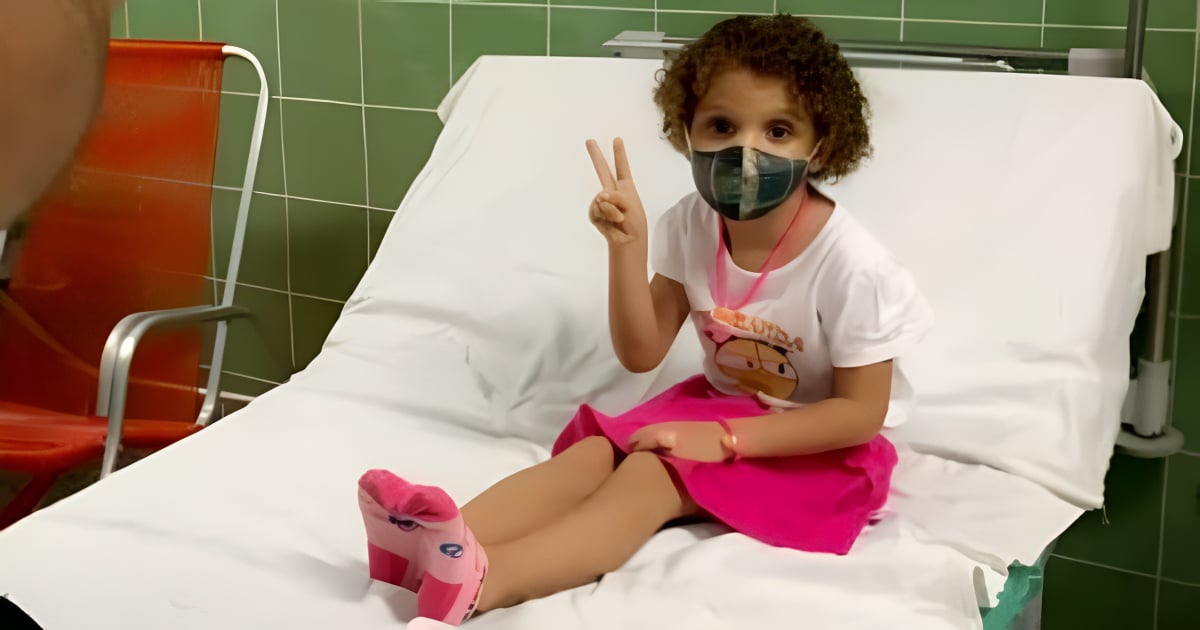
Cuba is currently experiencing an unprecedented epidemiological crisis, yet official information remains both partial and opaque regarding the situation.
The Ministry of Public Health (MINSAP) has acknowledged the concurrent spread of three viruses—chikungunya, dengue, and oropouche—across the country, resulting in thousands of cases and numerous children being hospitalized.
Despite this, authorities have failed to transparently communicate the specific risks these arboviral diseases pose to children, nor have they addressed the potential long-term effects on the young affected population.
While Dr. Francisco Durán has admitted that "the majority of severe chikungunya cases" involve those under 18, Cuban television does not provide scientific information about the impact these viruses can have on children's bodies.
In contrast, studies by the World Health Organization (WHO), Pan American Health Organization (PAHO), and the Centers for Disease Control and Prevention (CDC) in the United States have for years warned about severe complications and long-term consequences these infections can have on children and adolescents.
Chikungunya: A Debilitating Disease Striking the Young
Chikungunya is a viral infection spread by the Aedes aegypti mosquito, known for causing high fever, intense muscle and joint pain, and skin rashes. While often considered self-limiting, WHO has confirmed it can be severe in infants, young children, and those with pre-existing conditions.
A study conducted in Brazil from 2014 to 2024 (Emerging Infectious Diseases Journal, CDC, 2025) found that children under six months are particularly vulnerable to neurological and cardiac complications, with one in ten developing chronic joint pain after the acute phase.
Additionally, research in the Journal of Tropical Pediatrics (India, 2024) indicated that children infected during pregnancy or childbirth face a high risk of vertical transmission, potentially leading to brain damage and multiple organ failure.
In Cuba, where pediatricians lack essential resources, the risk of complications is exacerbated.
The virus causes such intense pain that MINSAP officials describe it as "extremely painful," yet they omit that in young children, it can lead to encephalitis, viral hepatitis, or severe dehydration, often requiring extended stays in intensive care units.
Dengue: An Age-Old Disease with New Dangers
Dengue, which has been endemic in Cuba for decades, poses an increasing threat to children. PAHO reports that children are more susceptible than adults to developing severe forms, such as dengue shock syndrome or capillary leak syndrome, where body fluids leak from blood vessels, causing circulatory collapse.
According to WHO, coinfection with different virus serotypes—a current situation in the island—raises the risk of severe dengue by up to ten times. In health crisis contexts, without proper hydration or hospital care, these conditions can be fatal.
A meta-analysis published in The Lancet Regional Health – Americas in 2023 warns that the mortality rate for severe dengue in children can reach 20% in under-resourced health systems.
In Cuba, where there is a shortage of IV fluids, antibiotics, and pediatric beds, the lack of transparency around child mortality rates is increasingly worrying.
Oropouche: An Emerging Virus with Neurological Consequences
Less known than dengue or chikungunya, the oropouche virus—also mosquito-transmitted—has been identified by PAHO as an emerging pathogen in the Caribbean.
In South America, studies (Brazil, Peru, Ecuador) have documented cases of meningitis and encephalitis associated with this infection in children and adolescents.
The Journal of Medical Virology (2024) reported that 15% of pediatric patients infected with oropouche experienced moderate to severe neurological complications, including hearing loss and behavioral changes.
Although MINSAP claims no new cases have been recorded, the lack of molecular surveillance in Cuba means the virus's silent spread cannot be ruled out.
The Vulnerability of Cuban Children Amidst Official Silence
International organizations are unequivocal: arboviral diseases are not "passing fevers" in children but potentially serious threats necessitating intensive monitoring, ongoing medical care, and sustained preventive policies.
However, public information in Cuba is minimal. No accessible epidemiological bulletins are available, statistics by age or province are unpublished, and authorities avoid acknowledging deaths.
Health Minister José Ángel Portal Miranda, the chief of the health system, has yet to appear before the media or offer a national pediatric emergency plan, while his subordinates merely call for "self-care" and "calm."
This lack of transparency has real consequences: parents are unsure when to seek hospital care, doctors work blindly, and families treat symptoms at home, exposing children to dehydration or neurological complications.
Cuba currently leads the continent in the incidence rates of chikungunya and oropouche, according to PAHO. Yet, the public remains largely unaware of the risks these diseases pose to children.
The Cuban childhood, once a symbol of pride for the official narrative, is now the most unprotected group. Keeping silent about the figures and masking the crisis doesn't save lives. On the contrary: concealing scientific information, denying resources, and suppressing medical criticism only multiplies the pain.
Cuban children don't need propaganda or euphemisms. They need IV fluids, beds, medications... and the truth.
Understanding the Impact of Arboviral Diseases on Cuban Children
What are arboviral diseases?
Arboviral diseases are infections caused by viruses transmitted by arthropods, such as mosquitoes and ticks. Examples include chikungunya, dengue, and oropouche.
Why are Cuban children at higher risk?
Cuban children are at higher risk due to the lack of resources, such as medical supplies and hospital beds, and the government's insufficient transparency and public health information.
How can chikungunya affect children?
Chikungunya can cause severe symptoms in children, including high fever, joint pain, and in some cases, neurological and cardiac complications.
What is the current situation regarding dengue in Cuba?
Dengue remains endemic in Cuba and poses a rising threat, especially with the coinfection of various serotypes, increasing the risk of severe forms of the disease.