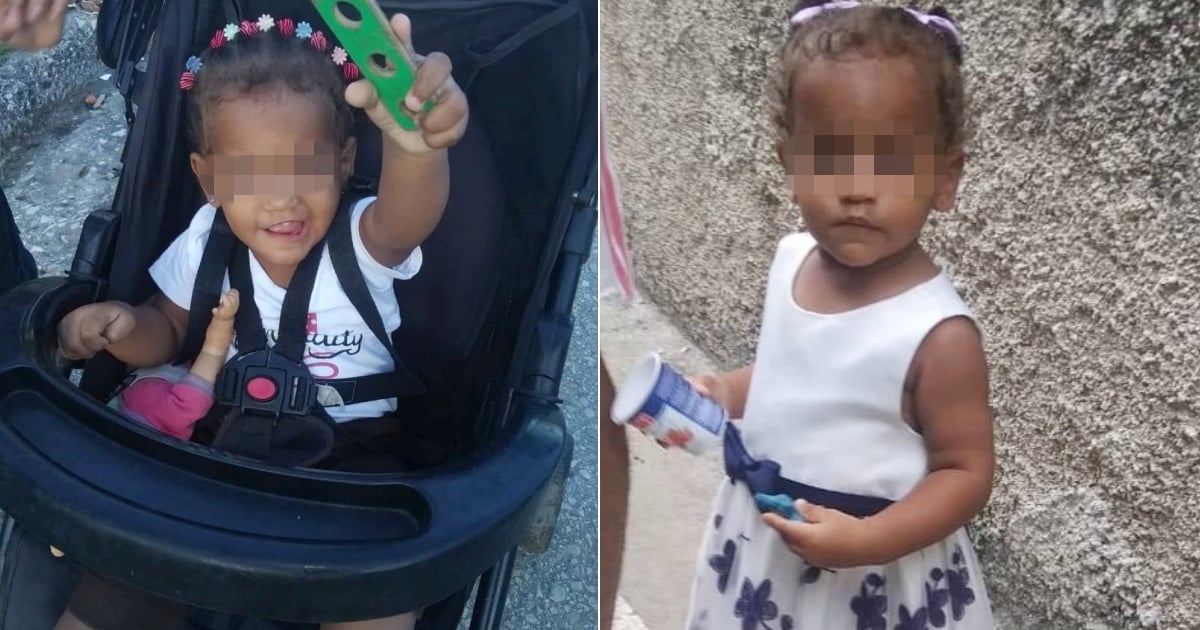
A tragic incident has unfolded in Santiago de Cuba, where Sheila Sinai Escobar Puente, a one-year-old girl, has sadly passed away following alleged medical negligence at the Juan de la Cruz Martínez Maceira Pediatric Hospital (ONDI).
In a heart-wrenching social media post, Sheila's aunt, Lismay Arianna Puente, expressed her grief: "My beautiful niece, words cannot describe the pain in my heart. I never got the chance to meet you in person, hug you, or hold you like I did your brother. Only God knows the sorrow I carry. My sweet angel, you have gone to heaven, leaving a deep void in our hearts."
She continued, "May God give strength to my sister and your father to seek justice for your departure, and may those responsible for your death face consequences. May God keep you in a beautiful place, my precious baby. Forever in my heart. Rest in peace."
Seeking Accountability Amidst Grief
Beyond their devastating loss, Sheila's family is calling for a thorough investigation and accountability to ensure justice is served.
Ricardo Puente Rizo, Sheila's grandfather, has publicly questioned the medical decisions made during her admission. "I have one unanswered question: if they had given her the saline solution for hydration instead of 30% dextrose, would my granddaughter have reached a critical state that led to diabetic ketoacidosis with blood sugar levels at 34?"
His concern is echoed by other family members who describe what they believe to be a serious medical error with fatal outcomes.
A Preventable Tragedy
The tragic sequence began on November 17th when Sheila was taken to the Pediatric Hospital in Santiago de Cuba with symptoms of fever, vomiting, and diarrhea. Despite clear signs of dehydration, the family claims an attending doctor administered a 30% dextrose solution and sent her home.
Shortly thereafter, Sheila began experiencing seizures and high fever, necessitating urgent transfer to the intensive care unit. She was diagnosed with severe diabetic ketoacidosis, marking the onset of type 1 diabetes with a blood glucose of 34 mmol/L, a pH of 6, tachycardia, and persistent seizures.
According to her family's allegations, the inappropriate use of dextrose instead of saline solution exacerbated her health condition, causing irreversible damage.
Sheila endured multiple organ failure, affecting her brain, liver, kidneys, heart, and even suffered a ten-minute cardiac arrest.
A Cry for Justice
Richard Puente Barreiro, Sheila's uncle residing abroad, was among the first to publicize the case and now demands justice. "You left us like a little angel, leaving a significant void. May God grant my sister and your father strength... and may everything that happened be clarified for peace and respect in your earthly departure. Forever in my heart. Rest in peace."
The family has filed a formal complaint with the hospital administration, insisting on stringent penalties for those responsible. They also call for a review of medical protocols and full transparency about the events to prevent similar situations in the future.
Journalist Yosmany Mayeta Labrada, who has been closely following the case, reported that the family requests humane support, a professional review of the incident, and transparency in every step of the medical process.
Sheila's case is not isolated. In recent months, alleged medical negligence has led to similar tragedies. Each testimony highlights a disturbing pattern: delays in care, incorrect diagnoses, inappropriate decisions, and a healthcare system that is overwhelmed, under-resourced, and in crisis.
"Sheila's death is also a wake-up call," shared one social media user. "It's not just about punishment but prevention. How many more times must this happen?"
In a touching tribute, Mayeta Labrada wrote, "Sheila didn't have the chance to explore the world... but her short life is already prompting reflection, empathy, and collective responsibility."
Questions About Medical Negligence in Cuba
What led to the death of Sheila Sinai Escobar Puente?
Sheila's death resulted from alleged medical negligence at a pediatric hospital in Santiago de Cuba, where a doctor reportedly administered a 30% dextrose solution instead of saline, leading to diabetic ketoacidosis.
What actions are Sheila's family taking?
The family has submitted a formal complaint to the hospital and demands thorough investigation, accountability, and a review of medical protocols to prevent future tragedies.
Why is Sheila's case significant?
Sheila's case highlights ongoing issues in Cuba's healthcare system, including delayed care, incorrect diagnoses, and resource shortages, prompting calls for systemic reform and accountability.