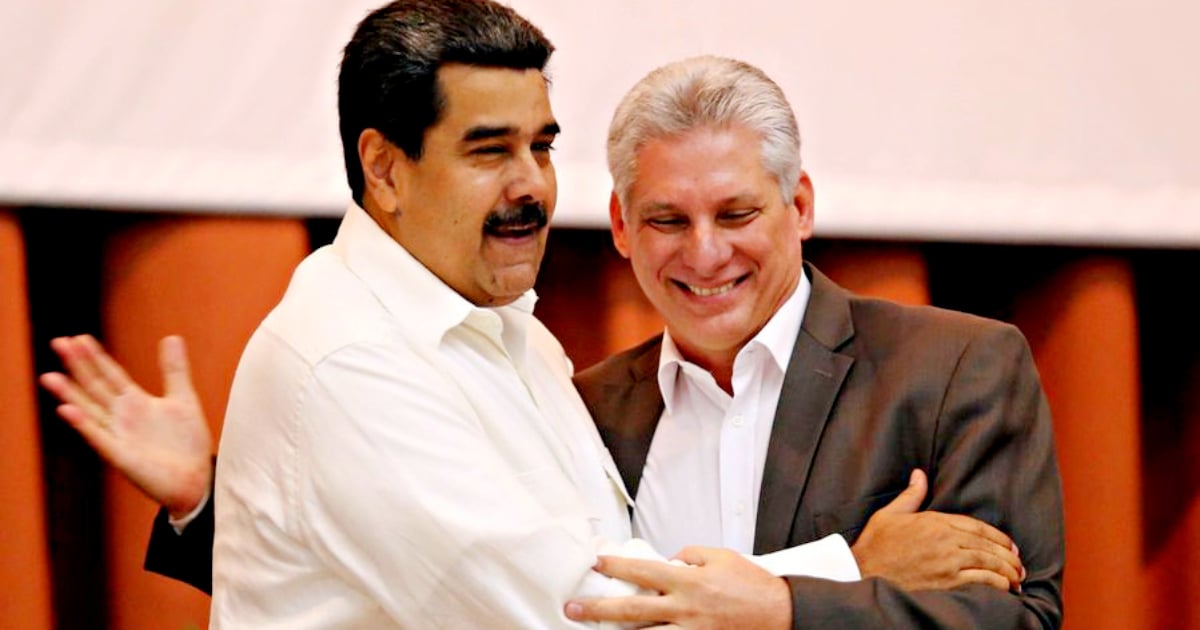
For over twenty years, the fates of Cuba and Venezuela have been intertwined. When Fidel Castro and Hugo Chávez forged their political and energy alliance in the early 2000s, both regimes found in each other the perfect partner for survival.
Cuba contributed medical professionals, military advisors, intelligence instructors, and a resistance ideology against the United States. In return, Venezuela provided oil, financial backing, and diplomatic support in the region. This pact turned Havana into a significant player within the Chavista movement and breathed life into the Cuban regime after the Soviet collapse.
For years, the exchange of oil for technical and political personnel was presented as a model of solidarity cooperation. In reality, it built a structural dependency.
Energy Crisis Looming Over Cuba
Today, without Venezuelan oil, the Cuban economy is struggling. Widespread blackouts, industrial shutdowns, and a collapsing transportation system are visible signs of this fragility.
Should Nicolás Maduro fall, as more analysts are predicting, the consequences for Havana will be immediate: the island would lose its only stable energy source, destabilizing its already precarious balance.
Global Support Crumbling
The international landscape surrounding Cuba exacerbates its vulnerability. Allies that once provided political or economic cover are now in decline.
Russia, embroiled in its war with Ukraine, has significantly reduced its aid capacity. Promises of new oil shipments have faded due to the urgency of sustaining its military front and evading sanctions. The Kremlin is prioritizing its alliances with China and India, leaving little room for backing an island with no strategic return.
Meanwhile, Iran, which had attempted to forge closer ties with Havana and Caracas in recent years, is now stalled following joint attacks by the United States and Israel on its military and nuclear facilities. Commitments to technological and energy cooperation with Cuba have vanished as Tehran focuses on domestic issues.
Shifting Dynamics in Latin America
Latin America has also ceased to be an ideological haven. The progressive wave that dominated the region during the 2000s has given way to a new pragmatism.
The Brazil of Lula da Silva, once a staunch ally of Chavismo and Cuba, now avoids commenting on the Venezuelan crisis. Lula, aware of his country's economic weight and the need for stability, steers clear of ideological confrontations, effectively distancing himself through silence.
Likewise, Mexico, another traditional ally of Havana, faces direct pressure from Washington. The White House ties migration and trade agreements to a more critical stance against the Bolivarian axis. Though the Mexican president refrains from criticizing Havana and continues to send oil to the regime, Washington's watchful eye and influence cannot be ignored.
Cuban Government's Rhetorical Response
The Cuban government's response remains largely rhetorical. In recent statements, Foreign Minister Bruno Rodríguez Parrilla and Deputy Foreign Minister Carlos Fernández de Cossío reiterated the historical script of the so-called "revolution": denouncing "Yankee imperialism," condemning the "Monroe Doctrine," and appealing to the "sovereign right of peoples."
However, this discourse seems outdated. In today's hemisphere, even leftist Latin American governments prefer silence. No one openly supports Havana's narrative or echoes the classic anti-imperialist slogans.
A Nation at the Brink
The potential fall of Maduro could have politically, economically, and socially unpredictable consequences for Cuba. Oil supplies would be cut off, blackouts would worsen, and the country could enter a state of general paralysis.
The conglomerate GAESA, which controls the dollarized economy with extreme opacity regarding currency flows, would see its revenues plummet due to the loss of Venezuelan oil and reduced regional operations.
In civil society, exhausted by inflation, scarcity, and repression, discontent could spark a new wave of protests, now without the reverential fear that characterized previous decades.
The difference with the "Special Period" is that the Cuban people no longer live in information isolation. Social networks, communication platforms, and migration experiences have changed perceptions of the crisis.
The population no longer believes in heroic sacrifices or resistance slogans. Faced with a new collapse, the regime would confront a more informed and less docile society.
An Uncertain Future Without Allies
If Maduro falls, Havana would lose not only its energy source but also its primary political justification.
Chavismo has long been the ideological cover for Castrismo: evidence that resistance to U.S. power was still possible. Its disappearance would symbolically mark the end of an era. Without Venezuela, Cuba would be left without a mirror or narrative.
History repeats itself, but under worse conditions. When the Soviet Union collapsed, Havana still had Venezuelan oil and diplomatic leeway in Latin America. This time, there will be no refuge or subsidy. Neither Moscow, Beijing, nor Mexico will come to the rescue.
The Cuban regime is unprepared for Maduro's fall because it never learned to survive without a protector. Its economy, ideological apparatus, and political structure were designed to depend on others.
Today, that model reaches its limit. The world that sustained Castrismo has dissolved, leaving an isolated island trapped in its own discourse.
Understanding the Potential Impact of Maduro's Fall on Cuba
How does Venezuela's situation affect Cuba's economy?
Venezuela has been a crucial energy supplier for Cuba, providing stable oil shipments. Without this support, Cuba's economy struggles with energy shortages, leading to widespread blackouts and industrial shutdowns.
What role does GAESA play in Cuba's economy?
GAESA is a powerful conglomerate controlling Cuba's dollarized economy. It manages various sectors, including tourism and retail, but operates with significant opacity regarding financial flows, making it vulnerable to changes in Venezuelan oil supply.
Why is Cuba's international support declining?
Cuba's traditional allies, such as Russia, Iran, and China, are currently facing their own challenges or have shifted priorities, reducing their support. Additionally, the EU has distanced itself due to human rights concerns, leaving Cuba increasingly isolated.
How has Latin America's stance towards Cuba changed?
Latin American countries, once sympathetic to Cuba's ideology, are now prioritizing pragmatism over ideological ties. This shift has led to a decrease in regional support for Cuba, as countries focus on stability and economic growth.