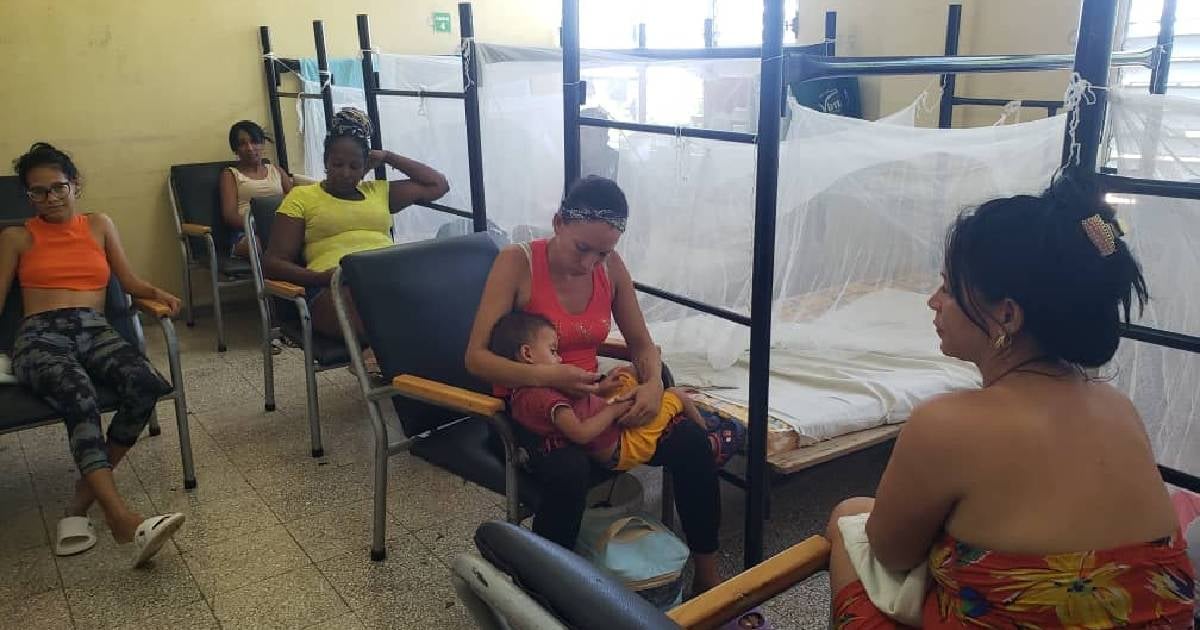
The Institute of Tropical Medicine “Pedro Kourí” (IPK) has unveiled a comprehensive set of guidelines titled “Management and Research Protocol for Patients with Chikungunya.” This document, created in collaboration with Cuba’s Ministry of Public Health (MINSAP), comes in response to a spike in cases of this disease across multiple provinces, including Havana.
Offering an all-encompassing approach, the protocol covers diagnosis, treatment, and clinical monitoring for those infected with the Chikungunya virus (CHIKV), which is spread by the Aedes aegypti and Aedes albopictus mosquitoes.
Since its initial identification in July 2025 in Matanzas, the illness, which leads to high fever and severe joint pains, has been confirmed in various municipalities throughout the nation.
This technical and regulatory document outlines the clinical stages of the disease—acute, post-acute, and chronic—along with the severity criteria, hospitalization requirements, and therapeutic procedures tailored to age groups and special conditions like pregnancy, newborns, and critically ill pediatric patients.
Notably, the IPK warns that despite many cases being self-limiting, severe forms with neurological, cardiac, and renal complications have been documented, particularly affecting the elderly, immunocompromised individuals, and those with chronic conditions such as diabetes or hypertension.
The guidelines also include specific protocols for neonatal and pediatric care, acknowledging the virus’s predominant impact on children. Additionally, it addresses measures for preventing vertical transmission and includes a detailed section on rehabilitation and natural and traditional medicine (MNT) aimed at managing pain and aiding functional recovery during prolonged phases of the illness.
The IPK underscores the critical need for a coordinated, multidisciplinary approach throughout the national health system, emphasizing early detection, epidemiological surveillance, and evidence-based clinical management.
However, the document falls short of discussing hospital conditions for patient care, availability of medications, and preventive measures to curb the spread of the disease, which can leave lasting effects for months or even years.
"While Chikungunya has historically been seen as a benign condition, it can significantly impact patients' health and quality of life. This protocol aims to standardize medical care and minimize complications," the document states.
The disease has proliferated throughout the island amid a growing lack of preventive protocols, poor sanitation, and widespread poverty.
Understanding Chikungunya Management in Cuba
What are the stages of Chikungunya as outlined in the protocol?
The protocol identifies three clinical stages of Chikungunya: acute, post-acute, and chronic, each with specific management criteria.
Which groups are at higher risk for severe Chikungunya complications?
Elderly individuals, those with weakened immune systems, and patients with chronic illnesses like diabetes and hypertension are at greater risk for severe complications.
Does the protocol address preventive measures for Chikungunya?
While the protocol emphasizes clinical management and early detection, it does not sufficiently address preventive measures or the availability of medications.