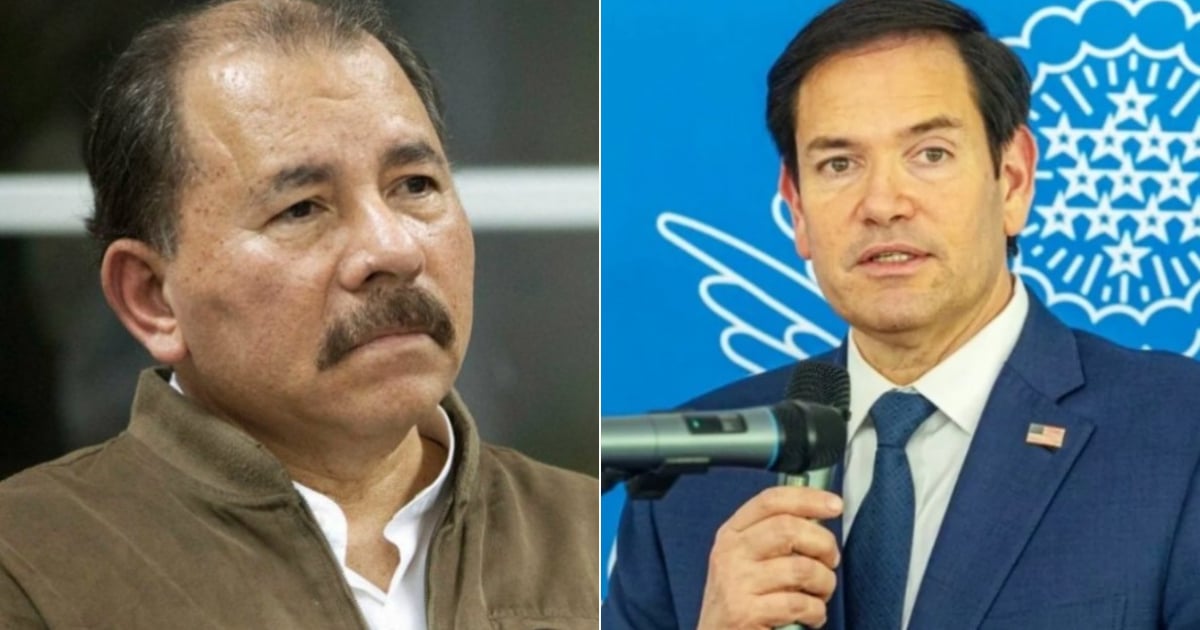
The U.S. government revealed on Monday a series of new sanctions targeting owners, executives, and high-ranking officials of transportation companies, travel agencies, and tour operators. According to the State Department, these entities have been deliberately aiding illegal immigration into the United States via Nicaragua.
"The United States will not tolerate those who profit from illegal immigration or break our immigration laws," stated Tommy Pigott, a spokesperson for the State Department, on X.
He further explained, "Today, we have taken steps to revoke visas and impose visa restrictions on owners, executives, and senior officials of transportation companies, travel agencies, and tour operators who knowingly facilitated illegal immigration to the United States through Nicaragua."
The State Department clarified that these actions are being implemented under Section 212(a)(3)(C) of the Immigration and Nationality Act (INA), which bars entry to individuals whose activities may have serious adverse implications for U.S. foreign policy.
These restrictions involve revoking current visas and instituting new limitations to ensure these individuals cannot enter the United States.
"Investigations have revealed that entities associated with these individuals facilitated travel through Nicaragua, taking advantage of the permissive immigration policies of the Daniel Ortega regime, which destabilize the region and drive illegal migration to the United States," the State Department noted in its statement.
Spokesman Matthew Miller emphasized that these measures aim to "protect the integrity of U.S. borders and ensure accountability for those who seek to profit from irregular migration."
Exploiting Desperation for Profit
The backdrop of these sanctions is marked by the massive influx of Cubans and citizens from other nations into the U.S. via Nicaragua, following Ortega's removal of the visa requirement for Cubans. Many families in Cuba sold their possessions to finance their journey northward, creating a lucrative business that benefited the Nicaraguan regime and intensified pressure on the U.S. southern border.
The regime of Daniel Ortega and Rosario Murillo continues to transform the desperation of countless Cubans into a lucrative income stream, despite increasing international pressure and the U.S.'s tougher stance against Managua. While Washington warns that the Sandinista government uses migration as a political weapon, the Managua-Honduras-Mexico route remains active and profitable, with Cubans as its backbone.
Continuous Flow of Migrants
Recent data from the independent newspaper La Prensa indicates that between January and July of this year, over 21,000 migrants heading to the United States entered Honduras from Nicaragua. A staggering 83% were Cubans. This figure underscores a persistent trend; despite U.S. and Mexican restrictions, Cubans continue to view the Nicaraguan route as the sole escape from the island's crisis and repression.
A History of Sanctions Against a Dictatorship
These new restrictions add to those imposed last April when the Trump administration sanctioned over 250 Nicaraguan officials for human rights abuses, authoritarianism, and involvement in irregular migrant trafficking. In 2024, Washington also sanctioned executives of airline and maritime companies, as well as tour operators facilitating irregular emigration from Cuba to Nicaragua and onward to the United States.
The impact of the recent measures is evident in the closure of more than 70 charter flight routes, including strategic connections between Cuba and Nicaragua, and in the restriction of visas for individuals in Europe, Asia, and other regions linked to these networks.
Through these actions, the United States reinforces its policy against the exploitation of migrants and human trafficking, dismantling networks that profit from the vulnerability of those seeking to enter the country irregularly. The State Department emphasized that no one should benefit economically from migrants, neither private companies nor public officials, consolidating a clear message of control and security at the borders.
In summary, the U.S. administration combines sanctions, visa restrictions, and the closure of strategic routes as part of a broader effort to curb irregular migration from Nicaragua and prevent these practices from destabilizing the region and compromising U.S. national security.
U.S. Measures Against Illegal Migration
What actions has the U.S. taken against those facilitating illegal migration through Nicaragua?
The U.S. has imposed sanctions, revoked visas, and introduced visa restrictions on owners, executives, and senior officials of companies facilitating illegal immigration through Nicaragua.
Why is the U.S. targeting travel and transportation companies related to Nicaragua?
These companies are targeted because they have been assisting illegal migration by exploiting Nicaragua's lenient immigration policies, which destabilize the region and increase migration pressure on the U.S.
How have recent U.S. measures affected migration routes?
The measures have resulted in the closure of over 70 charter flight routes and visa restrictions for individuals involved in facilitating irregular migration from Cuba through Nicaragua.