In Cuba, the dire hunger crisis has reached a point where survival takes precedence over ethical values. Each day, more families resort to hunting wild and domestic animals as a means to eat.
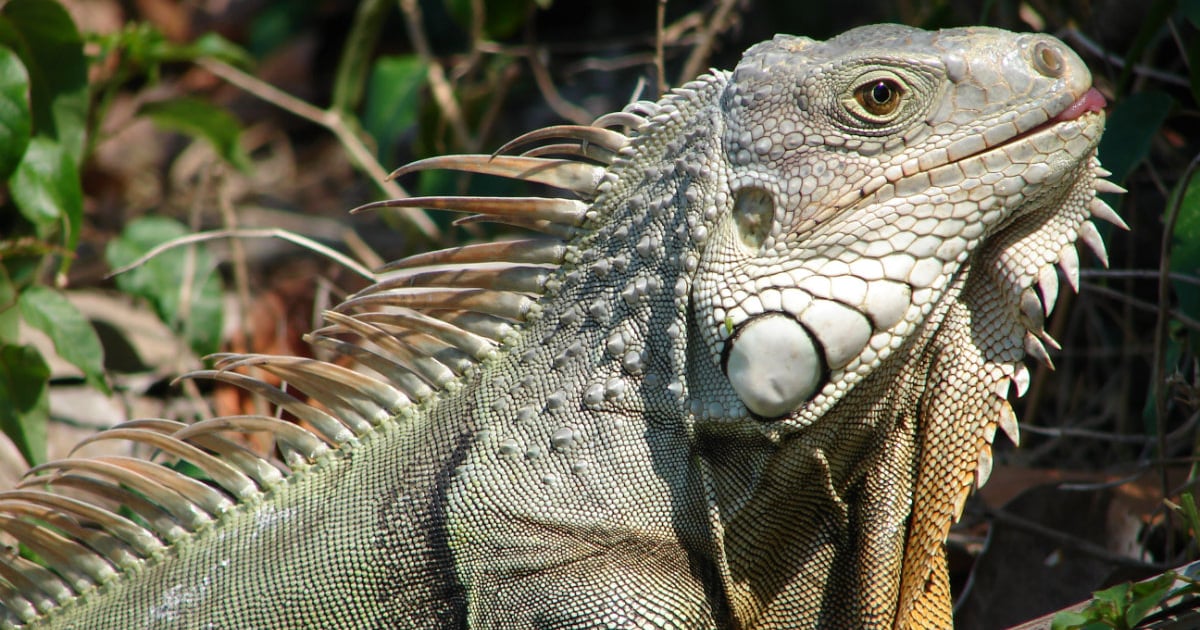
An independent report from the Food Monitor Program (FMP) reveals that the chronic protein shortage has driven Cubans to desperate measures once unimaginable: poaching birds, capturing and selling cats, consuming iguanas, and even using toxic chemicals for fishing in rivers.
The FMP warns that hunger not only empties stomachs but also "erodes the values that sustain a society."
The Cuban food crisis, worsened by inflation, lack of agricultural production, and institutional disarray, has pushed entire communities to the brink of survival.
In many urban and rural areas, food is obtained "by any means necessary," irrespective of health or ecological risks.
Environmental and Social Impact
According to the FMP, this degradation is not solely due to hunger, but also stems from "a long process of institutional collapse" following decades of state control that stifled private initiative and food production.
In the eastern part of the country, the report documents the hunting of the Cuban Kite, a migratory bird whose meat is sold on the black market for around 400 pesos per pound, equivalent to 20% of the minimum wage.
Although it is a protected species, its capture has become a means of survival for desperate families, severely impacting local ecosystems.
The organization warns that the Cuban Kite plays a crucial role in insect control, and its mass hunting disrupts environmental balance.
Unethical Practices Resurface
The study also highlights the resurgence of cat meat sales, a practice reminiscent of the "Special Period" three decades ago.
In provinces like Guantánamo, cat meat is openly marketed on social media platforms such as Revolico and Facebook.
The meat is consumed out of necessity, but also due to popular beliefs attributing it with healing properties.
Animal protection groups condemn that cats are hunted, stolen, and slaughtered without sanitary oversight, despite the existence of Decree-Law 31/2021 on Animal Welfare, which the regime fails to enforce effectively.
Threatened Species and Hazardous Methods
In coastal areas, the Cuban iguana, an endemic species classified as vulnerable by the International Union for Conservation of Nature, has become a food source.
The crisis has normalized its hunting for soups and stews, accelerating the species' decline.
The lack of environmental awareness and agricultural expansion into their natural habitats exacerbate the issue.
Another alarming trend identified by the FMP is fishing with chemicals to catch river shrimp. In some communities, insecticides like cypermethrin or permethrin are used, poisoning the water and causing mass deaths of fish, crabs, and microfauna.
What seems like an immediate solution for obtaining protein destroys entire ecosystems and exposes communities to contamination and disease.
The Food Monitor Program warns that these examples are just a glimpse of the visible deterioration in Cuba.
Every day, new cases emerge of people hunting or consuming any animal they can find, driven by extreme necessity.
The report concludes that a "morality of scarcity" is emerging, where hunger redefines social norms and desperation becomes justification.
The challenge for the country, the organization notes, is not to suppress these behaviors but to rebuild the material and ethical conditions that render them unnecessary.
As the regime continues to fail in providing structural solutions or productive incentives, Cuba is sinking into a spiral of poverty, environmental destruction, and loss of values.
Frequently Asked Questions on Cuba's Hunger Crisis and Wildlife Hunting
What is driving Cubans to hunt wildlife and domestic animals?
Cubans are driven to hunt wildlife and domestic animals due to severe food shortages and a chronic lack of protein, exacerbated by inflation, lack of agricultural production, and state control over the economy.
How does hunting affect the environment in Cuba?
Hunting affects the environment by disrupting ecosystems, threatening species like the Cuban Kite and iguanas, and using harmful methods such as chemical fishing, which poisons water bodies and kills aquatic life.
What role does the Cuban government play in this crisis?
The Cuban government's role in this crisis includes decades of state control that hindered private initiative and food production, and a failure to enforce regulations such as the Decree-Law on Animal Welfare, which could mitigate some practices.