After 43 days of unprecedented federal gridlock, the longest government shutdown in U.S. history has finally concluded. Federal employees will resume receiving paychecks, national parks will reopen, and suspended public services will gradually be reinstated.
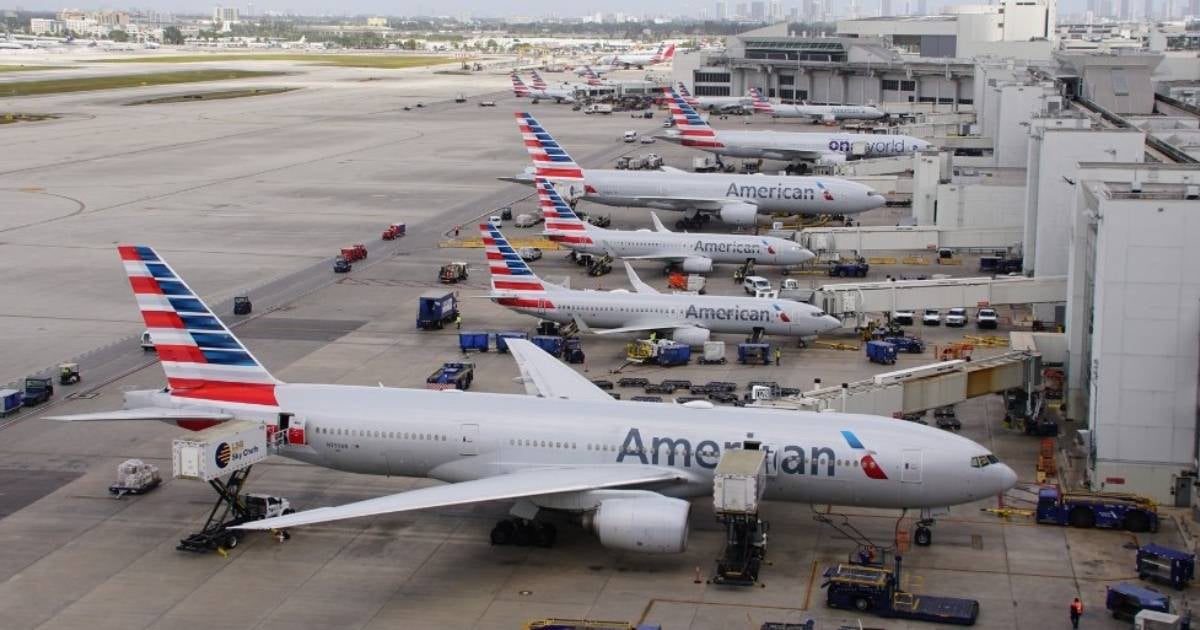
However, the aftermath of this crisis will linger, particularly in airports, including those in Florida, where thousands of travelers—among them, a substantial Cuban community—will continue to experience delays, cancellations, and chaotic scenes that may last for several days, despite the official end of the shutdown.
The passage of the funding bill by Congress and its signing by President Donald Trump concludes a political debacle that cost millions of dollars, disrupted essential services, and turned air travel across the nation into a nightmare.
Yet, even as the government reopens, air traffic remains far from normal.
According to The Palm Beach Post, over 109 flights were canceled in Florida on Thursday, with an additional 156 facing delays. Orlando remains the most affected airport, with nearly 400 flights canceled since Friday and over 2,260 delays reported.
On a national scale, the situation is similarly dire, with nearly 1,000 flights canceled and over 800 delays occurring Thursday morning, as reported by FlightAware and cited by USA TODAY Network – Florida.
Throughout the shutdown, approximately 13,000 air traffic controllers nationwide worked without pay, leading to widespread absences, extreme stress, and exhaustion. The shortage of personnel forced the Federal Aviation Administration (FAA) to implement flight reductions at 40 of the busiest airports, including Miami, Fort Lauderdale, Tampa, and Orlando.
FAA Administrator Bryan Bedford confirmed to Miami Herald that while the original plan was to increase these reductions to 10% by November 14th, the reopening of the government means they will maintain a 6% reduction while assessing whether the system can endure a gradual return to standard operations.
"We will only proceed when our safety metrics are met," warned Transportation Secretary Sean Duffy, as quoted by The Palm Beach Post.
Passengers Stressed and Airports Overwhelmed
The shutdown left unforgettable scenes for many travelers, with packed terminals, endless lines, overworked staff, and entire families sleeping on floors awaiting flights that never departed.
Duffy acknowledged in earlier interviews that the situation had reached a critical point: "This is going to cause significant disruption. It won't improve until the controllers are paid."
During the peak of the crisis, media reports documented that Miami International Airport (MIA) experienced more than 45 delays and 24 cancellations in a single morning, while Fort Lauderdale-Hollywood International Airport (FLL) saw over 30 delays and 31 flight suspensions.
Now, while the situation isn't expected to worsen, returning to normal traffic flow will take time. American Airlines, in an internal memo cited by CNN, warned its staff that the effects of the shutdown "will be felt for several days," though they do not anticipate a severe impact on the Thanksgiving travel season.
What Can Travelers Expect?
Experts advise passengers, including the thousands of Cubans in Florida who rely on domestic flights for international connections, to remain vigilant:
- Check the flight status multiple times a day through the airline's app.
- Arrive at the airport two to two and a half hours early, as recommended by the TSA to ABC News.
- Rebook immediately if your flight is canceled; airlines operate on a "first come, first served" basis, explained Scott Keyes of Going to USA TODAY Network – Florida.
- Remember that if a cancellation is linked to the shutdown crisis, passengers are entitled to a full refund according to federal regulations.
FAQs on Ongoing Flight Disruptions in Florida
Why are Florida flights still disrupted after the government shutdown ended?
The prolonged shutdown caused significant staffing issues and operational disruptions that require time to resolve, affecting flight schedules.
Which Florida airports are most affected by the flight disruptions?
Orlando International Airport is the most affected, followed by Miami, Fort Lauderdale, and Tampa airports.
What should travelers do if their flight is canceled?
Travelers should rebook their flights immediately, as airlines prioritize based on a "first come, first served" policy. They are also entitled to a full refund if the cancellation is related to the shutdown.
How long will it take for flight operations to return to normal?
While the situation is expected to improve gradually, it may take several days for flight operations to fully normalize.