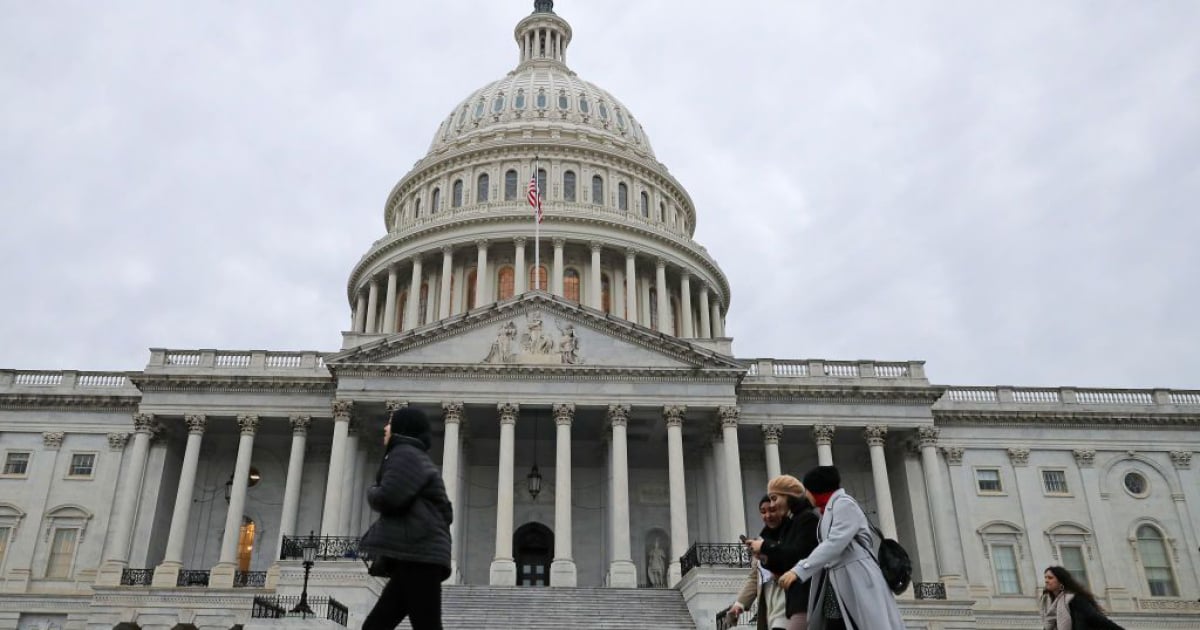
Following a historic 43-day governmental standstill, the U.S. Congress is poised to potentially end the longest shutdown in its history with a pivotal vote in the House of Representatives scheduled for Wednesday.
The proposed legislation, which has already passed in the Senate, aims to extend federal funding through January 30, thereby restarting critical programs that have been inactive since mid-September.
Anticipation is mounting in Washington. Hundreds of thousands of federal employees remain unpaid, airport delays are increasing, and millions of low-income families have seen a reduction in food assistance.
Pressure Mounts as Economic Impact Grows
As the shutdown surpasses 40 days, the impact on crucial sectors of the economy intensifies, placing additional pressure on legislators.
A Vote That Could Break the Deadlock
The bill under consideration includes three budget allocations that would fully fund several federal programs, including the Supplemental Nutrition Assistance Program (SNAP), which serves over 42 million people with food aid.
Additionally, it features a provision to reverse widespread layoffs ordered during the shutdown by the Trump administration, affecting thousands of federal employees.
The Senate approved the legislation on Monday night with a bipartisan vote of 60 to 40, garnering support from seven Democrats and one Independent alongside the Republican majority.
However, this cooperation has not been without controversy. Several Democratic Party members have sharply criticized the senators who backed the bill, arguing that it concedes too much to Republican demands.
Despite this, the agreement offers a temporary resolution to the political gridlock that has left much of the nation on edge. If the House supports the bill, the federal government could resume operations within days, pending President Donald Trump's signature.
Social Programs and Health Insurance Dispute
One of the most contentious issues remains the future of health insurance subsidies. Republicans have shown willingness to maintain pandemic-era tax credits but insist on stricter eligibility limits.
Meanwhile, some Democrats fear that any restrictions could lead to skyrocketing premiums for millions of families in the coming months.
On Monday, the Senate rejected a proposal to extend health program subsidies for a year, with a vote of 47-53. In exchange, Republicans allowed the funding bill to progress, with a commitment to revisit the subsidy discussion in December.
Senator Susan Collins, chair of the Appropriations Committee, emphasized the necessity of "balancing" assistance with income limits, while Senator Ruben Gallego warned that millions of Americans could be left unprotected if Congress fails to act by year’s end.
The Heavy Toll of the Longest Shutdown
Since the shutdown began, over 800,000 federal employees have either worked without pay or been furloughed. Essential services have been disrupted, including airport security checks, food inspections, and the processing of social benefits.
The SNAP program, which provides food assistance to millions of families, has only been able to cover 65% of the scheduled payments for November, following the Supreme Court's decision to uphold the temporary suspension of full funding.
This judicial measure, extended until November 13, has left millions in financial limbo. Simultaneously, the economic effects of the shutdown are already evident, with administrative delays, decreased productivity, and estimated losses in the billions of dollars.
Economists caution that if Congress fails to approve funding soon, uncertainty could hinder growth in the year's final quarter.
A Fragile but Necessary Agreement
The deal being discussed in the Capitol is the result of weeks of negotiations among moderate senators from both parties. Legislative sources indicate that the White House has given its preliminary approval to the pact, suggesting that Trump's signature won't be an impediment, although he has reiterated his opposition to maintaining certain social programs without "structural adjustments."
Nevertheless, the path forward is not entirely clear. House Speaker Mike Johnson (Republican from Louisiana) has avoided publicly committing to the vote, reflecting internal divisions within his party.
The High-Stakes End to a Political Standoff
The government shutdown has tested not only Congress's negotiating abilities but also the patience of millions of citizens, who see services halted as parties engage in ideological disputes.
As the vote approaches, pressure mounts on legislators to reach a consensus that could restore a semblance of normalcy to the nation. Yet, even if the bill passes this week, the relief will be temporary: the new funding will only last until January 30, meaning another crisis could erupt in mere weeks if a lasting agreement isn't reached.
For now, the vote in the House of Representatives represents the last chance to end 43 days of political chaos, administrative paralysis, and social suffering, posing one of the most significant tests of U.S. governance in the past decade.
Key Questions About the U.S. Government Shutdown
When is the House of Representatives expected to vote on the funding bill?
The House is set to vote on the funding bill this Wednesday.
What programs are affected by the shutdown?
The shutdown has impacted essential programs, including the Supplemental Nutrition Assistance Program (SNAP), airport security, and food inspections.
How have federal employees been affected by the shutdown?
Over 800,000 federal employees have been working without pay or have been furloughed due to the shutdown.
What are the potential economic impacts of the shutdown?
The shutdown has led to administrative delays, reduced productivity, and potential economic losses estimated in the billions of dollars, which could slow down growth in the final quarter of the year.