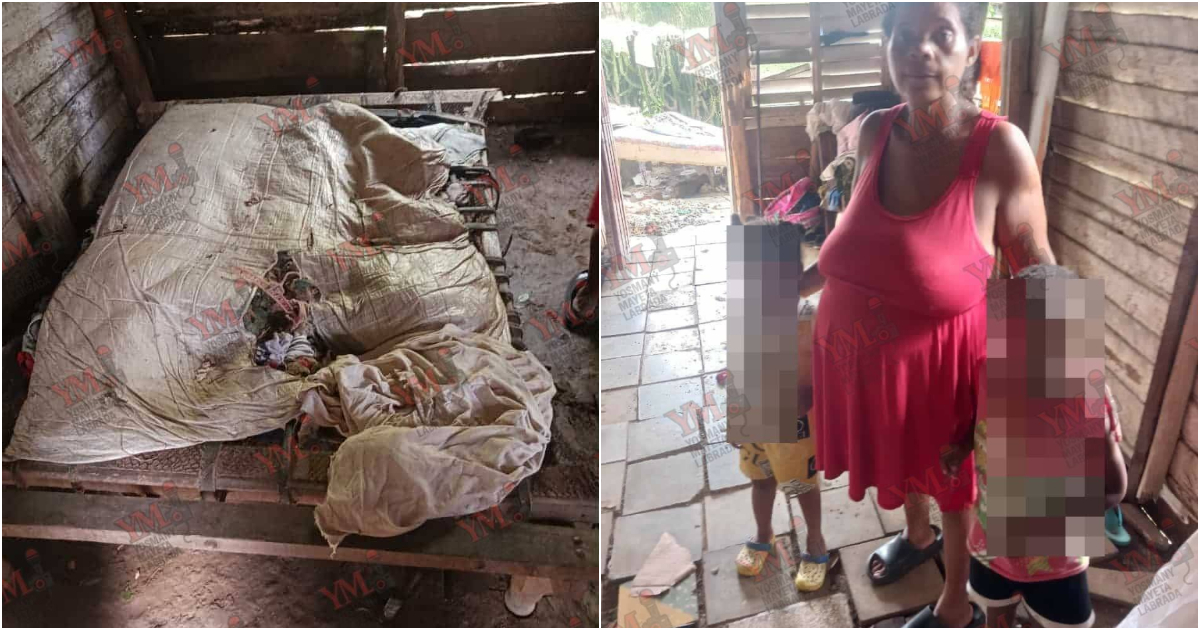
In the aftermath of Hurricane Melissa, poet and playwright Nelson Simón expressed concern over Cuba's persistent poverty, describing it as "a nation in tatters" that remains visible even after 65 years of socialist governance. His comments were shared on his Facebook profile, highlighting the dire impact of the hurricane on the island.
Writing from Pinar del Río, a region frequently ravaged by hurricanes, the author of "A la sombra de los muchachos en flor" and "Brujas, hechizos y otros disparates" delved into the deep social vulnerability exposed by these natural disasters.
The Need for Lasting Solidarity
Simón urged that solidarity should not be reserved for times of disaster. He stressed, "Solidarity must be a permanent foundation of our social system."
While acknowledging the outpouring of support visible on social media and news outlets, he pointed to a worrying disparity: “It underscores a divided Cuba where some can donate trucks and tons of supplies, while others, despite their willingness, cannot even spare a bar of soap.”
For Simón, this highlights “flawed tax policies and wealth distribution,” pushing the nation towards a society where some live by capitalist standards, while others endure conditions reminiscent of pre-revolutionary hardship.
Addressing Poverty and Crisis Response
Simón called for increased social funding to eradicate poverty and develop genuine programs offering opportunities. He noted, “Many living in these conditions are victims, lacking the means to improve their circumstances.”
He also criticized the government’s lack of preparedness for recurrent damages, stating, “What we see now was evident to everyone who is now alarmed. It indicates the malfunctioning of many structures and organizations.”
Simón identified internal migration as a clear symptom of this structural crisis, sarcastically questioning, “Did some believe people migrate just to see El Capitolio or El Malecón?”
Proposals for Future Resilience
Among his suggestions is the establishment of a Disaster Relief Fund and expansion of insurance policies for homes, crops, and other assets. “No matter how costly it seems, prevention is always less expensive,” he noted, citing successful hydraulic works in Pinar del Río that prevented flooding after Hurricane Alberto in 1982.
Simón condemned the precariousness and improvisation in recovery efforts, arguing, “Each recovery is rushed, makeshift, and temporary. We need to apply more innovative and sustainable concepts. Recent hurricanes have shown our increasing vulnerability to climate change; we can’t rebuild today only for it to crumble tomorrow.”
Ethics and Responsibility in Aid
The writer emphasized the ethical dimension of aid, asserting, “Sensitivity is not only shown by giving but also in respecting the dignity, privacy, and fragility of the vulnerable. Charity should not become a spectacle.”
Simón concluded with a call for moral and political responsibility, insisting that “as long as a single Cuban lives in such conditions, every wasted, diverted, lost, or embezzled cent is an affront, a crime, a shame.”
He reminded that hundreds of families in Pinar del Río are still waiting for adequate housing after previous cyclones.
The Human Cost of Hurricane Melissa
In eastern Cuba, Hurricane Melissa has left countless families living in dire conditions without access to clean water, food, or medical care. Testimonies from victims confirm the extreme poverty many endured even before the hurricane, lacking essentials like a proper bed or mattress.
Recently, it was reported that a disabled mother and her young son are living in a makeshift shelter in San Andrés, Holguín, after losing their home to the hurricane, with no response from the government or Civil Defense.
Preliminary official figures indicate that at least 45,282 homes were damaged by Hurricane Melissa, mostly affecting roofs.
Key Questions About Hurricane Aftermath in Cuba
What did Nelson Simón highlight about Cuba's vulnerability?
Nelson Simón emphasized Cuba's persistent poverty and social vulnerability, exposed by natural disasters like hurricanes, and criticized the government's preparedness and response.
Why does Simón believe solidarity should be a constant?
Simón argues that solidarity should be a fundamental and permanent part of the social system, not just in response to disasters.
What proposals did Simón make for disaster preparedness?
Simón proposed creating a Disaster Relief Fund, expanding insurance policies, and adopting sustainable recovery methods to mitigate future vulnerabilities.