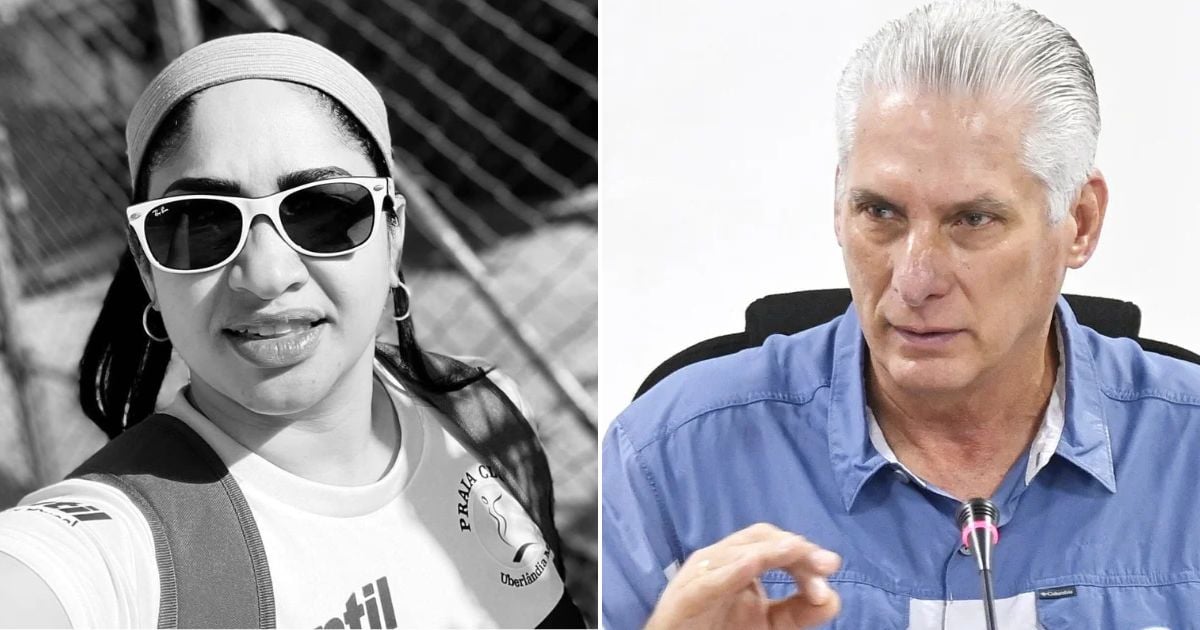
Renowned Cuban art historian and activist, Yamilka Lafita Cancio, widely recognized as Lara Crofs on social media, has penned an open letter to Miguel Díaz-Canel and the Minister of Public Health, José Ángel Portal Miranda. She demands answers regarding the escalating chikungunya outbreak and other arbovirus infections that continue to afflict the Cuban populace.
In a post shared on Facebook, Lafita highlighted the dire state of health on the island, warning that the situation has reached alarming proportions.
"With the steady rise in arbovirus cases, especially chikungunya, leading to increased medical visits, hospital stays, prolonged joint issues, and even multiple deaths due to systemic complications, I feel compelled to voice this widespread concern," she stated.
Cuba's Worsening Health Crisis
The activist attributes the worsening epidemic to the rampant spread of the Aedes aegypti mosquito, exacerbated by water shortages, garbage accumulation, power outages, and medicine scarcity.
She also criticized the lack of official information on the crisis's extent and the absence of effective sanitation measures.
"This crisis is endangering families throughout our nation and has already claimed lives," she cautioned, referencing recent studies published in The Lancet Regional Health – Americas (2025) and The Journal of Infectious Diseases (2024), which underscore the severe conditions affecting the Caribbean.
Call for Government Transparency
Lafita's letter calls for a detailed explanation of the steps the government and Public Health Ministry are taking to address the outbreak.
"What are the current strategies for vector control, environmental sanitation, epidemiological surveillance, community education, and chronic case management?" the activist inquired, stressing that such information "is vital to fostering public trust and coordinating community efforts."
She reminded authorities of Cuba's once stellar reputation in controlling vector-borne diseases but lamented, "Given our current trajectory and situation, we may soon lose that as well."
"Immediate and transparent actions are needed to safeguard our people and prevent further loss of life," emphasized Lafita. She announced plans to officially deliver the letter next Wednesday and invited fellow Cubans to sign it.
"Anyone wishing to sign this letter should leave their full name," she noted, clarifying that the appeal is not politically motivated but a citizen's right to demand answers and solutions amid a health crisis claiming lives.
Chikungunya's Alarming Spread
The chikungunya outbreak in Cuba has reached worrying levels, worsened by the systemic failures of the healthcare infrastructure.
The Ministry of Public Health recently acknowledged over 20,000 infections nationwide—though the actual count may be two or three times higher—while reports of severe cases and fatalities continue to rise without a strong official response.
Official figures have been criticized as conservative given the outbreak's scale.
The impact is evident across various provinces. Havana remains critically affected, with overwhelmed hospitals and hurdles in accessing diagnostics and treatment. In Sancti Spíritus, conditions have deteriorated, with reports of hospitals at capacity and multiple infections within single households lacking access to medications or repellents.
The epidemic has also surged in educational institutions. Eight fatalities at the University of Oriente heightened public alarm after days of high fever, severe joint pain, and lack of timely care. Students reported a lack of prior fumigation, with health brigades only intervening post-mortem.
Meanwhile, residents have complained about irregularities in vector control campaigns. In several areas, fumigation services are only available for a fee, undermining equitable access to preventive measures.
Accusations have been made against sector workers allegedly demanding payment to perform their duties amid this health emergency.
The accounts of those who have fallen ill reveal the extent of their suffering. A Cuban writer described the symptoms as unbearable: prolonged fever, swelling, loss of appetite, and debilitating joint pain that lingers for weeks post-infection.
Understanding the Chikungunya Crisis in Cuba
What is causing the chikungunya outbreak in Cuba?
The outbreak is primarily driven by the spread of the Aedes aegypti mosquito, worsened by factors such as water shortages, garbage accumulation, power outages, and medicine scarcity.
How is the Cuban government responding to the chikungunya crisis?
The government's response has been criticized for a lack of transparency and effective measures. There is a call for detailed plans on vector control, sanitation, epidemiological surveillance, and community education.
What is the public's reaction to the chikungunya situation?
The public has expressed widespread concern and frustration over inadequate government action and the demand for payment for fumigation services, with many joining efforts to sign a petition for government accountability.