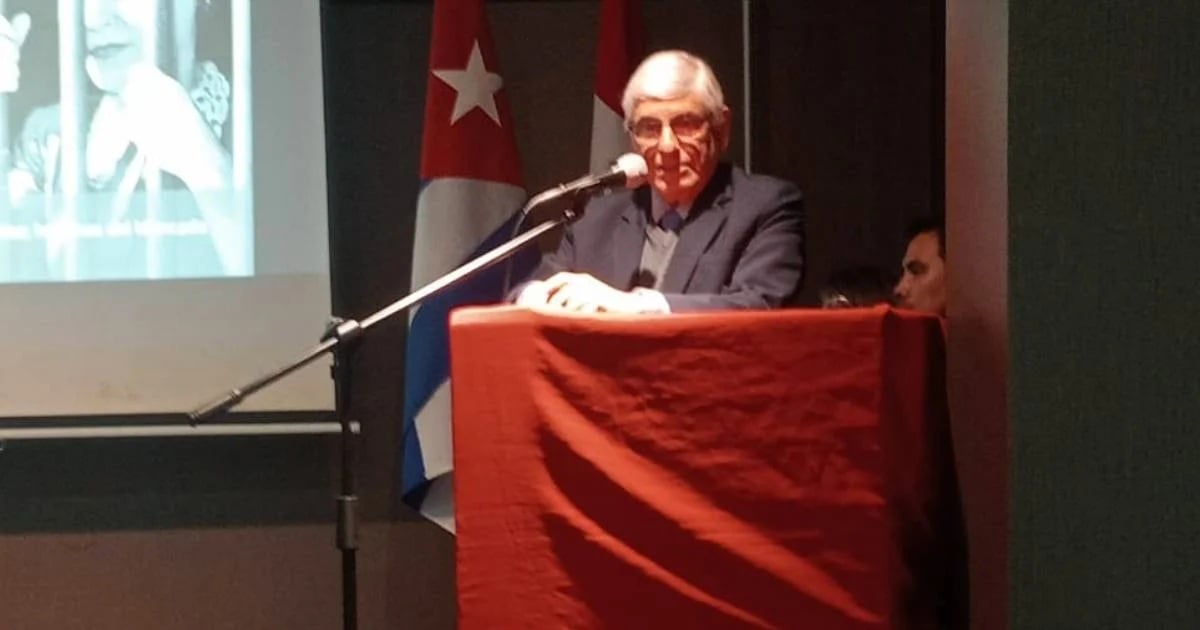
The abrupt end to the diplomatic mission of Cuban Ambassador Carlos Rafael Zamora Rodríguez, known as “El Gallo,” amidst mounting accusations of political meddling and intelligence activities has been met with widespread approval in Peru. The decision, officially announced last Friday by the Andean Ministry of Foreign Affairs, came after months of escalating tensions between Lima and Havana. Lawmakers, former intelligence chiefs, and analysts have praised the move as "healthy" and necessary to preserve national sovereignty.
According to reports from El Comercio, the Peruvian Ministry of Foreign Affairs summoned the diplomat to scrutinize his activities since he assumed office in 2021 under the administration of Pedro Castillo. Following this review, the ministry declared the termination of Zamora's duties "permanently."
Zamora had been a controversial figure since his arrival, accused of being an operative for the Cuban regime and a suspected intelligence agent with a long history in Latin America.
Congressman José Cueto, head of the Intelligence Commission of Parliament, welcomed the decision, emphasizing that there was a "clamor within the Armed Forces and the police" to expel the ambassador from the country.
Political Interference and Intelligence Concerns"Throughout the intelligence community, it was known that there were various forms of interference by this gentleman, who entered with the Castillo government," Cueto stated to the Peruvian media.
Similarly, legislator Alejandro Muñante described the ambassador's departure as "completely healthy," linking it to a policy of defending national sovereignty against external influences.
Other former intelligence chiefs consulted by El Comercio agreed that the Peruvian Executive's decision reflects a pattern of behavior by the Cuban diplomatic service, often described as an "extension of Havana's intelligence apparatus."
Juan Carlos Liendo, former head of the National Intelligence Directorate (DINI), commented that Zamora had "a history of political activism at the regional level" and that his exit "aligns with the necessity to ensure a free and legitimate electoral process in Peru."
Allegations of Influence and AgitationMeanwhile, Danilo Guevara, another former DINI chief, noted that the ambassador is "a familiar figure" in intelligence circles due to his ties with Cuba's G2 and emphasized that his removal demonstrates that Peruvian institutions "fulfilled their duty to safeguard national security."
Diario Correo also reported statements from Cuban opposition leader Orlando Gutiérrez Boronat, head of the Cuban Resistance Assembly, who claimed from Miami that “El Gallo” Zamora was behind violent protests against President Dina Boluarte in 2022 and 2023, following Pedro Castillo's downfall.
Gutiérrez asserted that the ambassador played a "political and intelligence role" aimed at "fostering chaos and unrest" in the Andean nation.
The activist described Zamora as not merely a typical diplomat but "a high-ranking individual within the Cuban regime's intelligence apparatus," with significant experience in Panama, Bolivia, and the UN—key positions for Castro's espionage network.
According to Diario Viral, Zamora joined the Cuban intelligence apparatus in 1968 and was identified by former agents as a colonel in the G2, along with his wife, Maura Juampere Pérez.
In August, the Union Naval del Peru, composed of former Navy officers, had called for his expulsion, labeling him a "risk to national security" and citing his alleged training under the KGB and his role in spreading Castroist ideology in the region.
The expulsion of the Cuban ambassador coincides with a period of heightened diplomatic tension, following the authorization of safe conduct for former Prime Minister Betssy Chávez, who is seeking asylum at the Mexican embassy, reigniting regional frictions.
So far, the Cuban government has remained silent on Zamora's removal, a quiet many in Lima interpret as a sign of caution after an incident that once again spotlighted Havana's influence in Latin America.
Frequently Asked Questions about the Cuban Ambassador's Expulsion in Peru
Why was the Cuban ambassador expelled from Peru?
The ambassador was expelled amid accusations of political interference and intelligence activities, which raised concerns about national sovereignty in Peru.
Who supported the decision to expel the Cuban ambassador?
The decision was supported by Peruvian lawmakers, former intelligence chiefs, and analysts who viewed it as a protective measure for national sovereignty.
How has the Cuban government responded to the expulsion?
The Cuban government has not yet commented on the expulsion, a silence interpreted by many in Lima as a cautious approach to the situation.