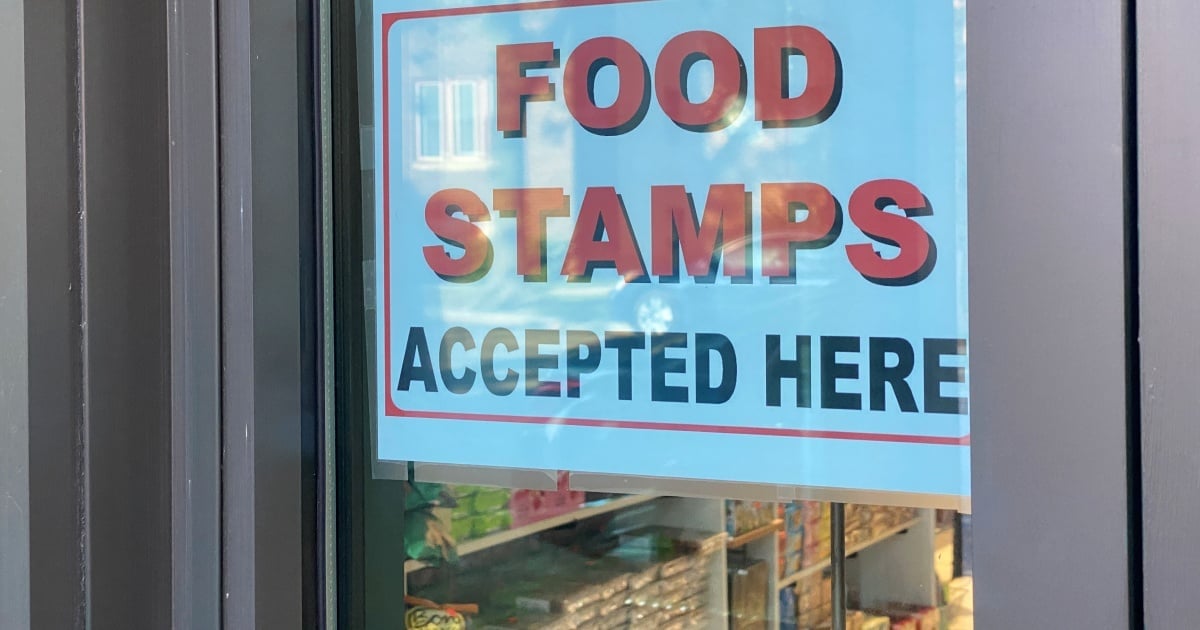
With the ongoing partial shutdown of the federal government, there is a glimmer of hope for more than 40 million recipients of the Supplemental Nutrition Assistance Program (SNAP), also known as Food Stamps. In November, these beneficiaries will receive a higher percentage of their benefits than was initially expected.
According to NBC News, a representative from the U.S. Department of Agriculture (USDA) informed a federal court that November's payouts will now cover 65% of the standard monthly allowance, up from the 50% initially planned under the Trump administration.
Reevaluation of Contingency Funds
This adjustment comes after a reevaluation of available contingency funds. "SNAP allocations for November will be 65% of the usual rate instead of the previously estimated 50% by Donald Trump's government," a USDA official confirmed.
For practical purposes, this means a family of four across 48 states will receive approximately $646 in November. The updated figures were submitted in a court document signed by Patrick Penn, the USDA's Deputy Undersecretary for Food, Nutrition, and Consumer Services.
Behind the Adjustment
What triggered this change? The Department of Justice mentioned it was a "mistake" that was corrected as soon as it was discovered. Initially, the government had planned to use over $4 billion in emergency funds to cover half the benefits, aiming to mitigate the shutdown's impact on the assistance program.
While the partial increase to 65% is somewhat reassuring, the exact timing of when these benefits will be accessible remains uncertain. Secretary of Agriculture Brooke Rollins noted on social media, "It will take several weeks to execute these partial payments." She further assured that once the government reopens, "FULL benefits will be delivered to families without delay."
Social and Operational Strains
The reduction in usual food aid amounts has directly affected food banks, which face increased demand while receiving less federal support. These organizations primarily rely on private, corporate, and agricultural donations, along with USDA programs.
On a state level, various jurisdictions have initiated local plans to offset the federal cuts, but how they will adapt their systems to the new 65% allocation remains unclear. Some may require weeks or even months to implement these changes.
Consequences for Recipients
Despite the increased percentage, November's payments will remain incomplete, potentially jeopardizing the food security of millions of households. Payment schedules and systems will vary by state, adding to the uncertainty.
If the government shutdown persists, the outlook for December and the following months becomes even more ambiguous. This partial government shutdown has become the longest in U.S. history, affecting not only SNAP but multiple critical federal programs that serve the nation's most vulnerable populations.
Frequently Asked Questions About SNAP Benefits During the Shutdown
What percentage of SNAP benefits will beneficiaries receive in November?
Beneficiaries will receive 65% of their standard monthly SNAP benefits in November.
Why was the SNAP benefit percentage increased from 50% to 65%?
The increase was made after reevaluating contingency funds, correcting what was described as a "mistake" by the Department of Justice.
How will the delay in payments affect SNAP beneficiaries?
Beneficiaries may face challenges as payments will be delayed, and the timing will vary by state, potentially affecting their food security.
What impact has the government shutdown had on food banks?
Food banks have experienced increased demand while receiving less federal support, relying more on private and corporate donations.