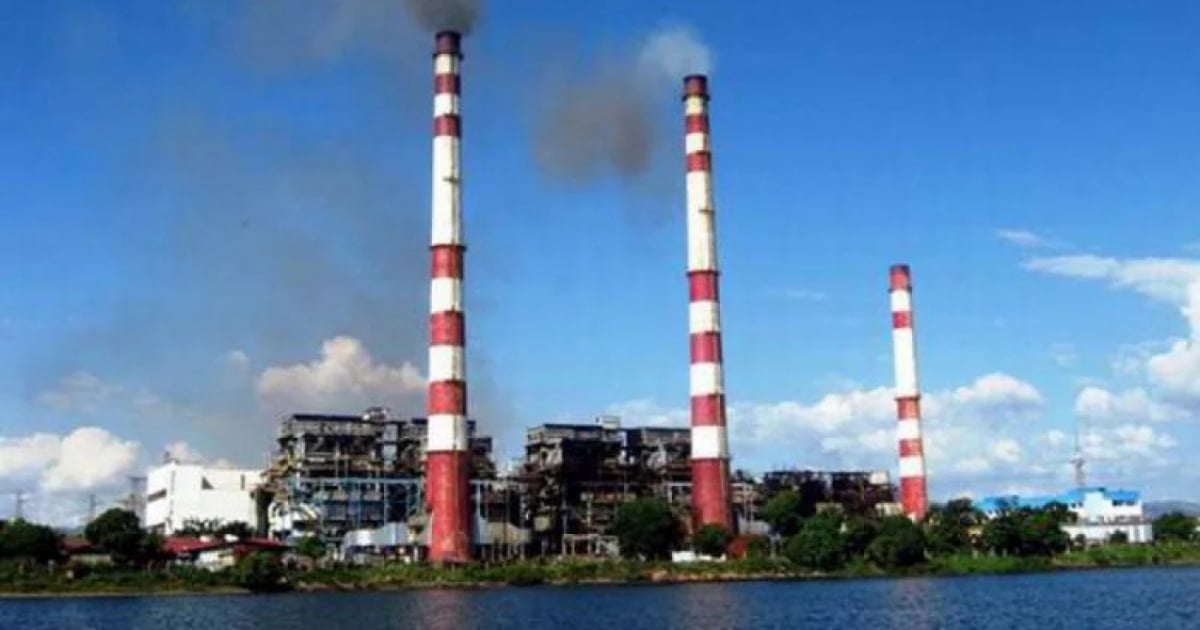
On Tuesday, Cuba's Electric Union (UNE) reported additional malfunctions in several power generating units across the nation. These issues have exacerbated the already dire condition of the National Electrical System (SEN), leading to prolonged power outages throughout the island.
According to an official statement posted on the state-owned company's Facebook page, Units 1, 4, and 6 of Energás Jaruco went offline due to unspecified reasons, while Unit 6 of the Máximo Gómez Thermoelectric Plant in Mariel was shut down because of a "false vacuum signal in the furnace." The UNE is currently investigating these incidents.
Even before these announcements, the SEN was operating under an emergency status, experiencing a generation shortfall exceeding 1,100 megawatts (MW), resulting in widespread blackouts, especially affecting the eastern provinces. These areas have been in darkness for over a week following Hurricane Melissa.
On Monday, the UNE acknowledged that the electricity service was disrupted around the clock, with a complete blackout occurring during the early hours of November 4. The peak of the disruption happened at 18:20, with 1,205 MW disconnected from the system.
The official report highlighted that the 22 new photovoltaic solar parks in the western and central regions produced a mere 1,970 megawatt-hours (MWh), with a maximum output of 378 MW, a minimal contribution compared to the severe national generation deficit.
As of 6:00 AM on Tuesday, the total availability of the SEN was 1,470 MW, against a demand of 2,220 MW, causing an immediate shortfall of 780 MW. The UNE forecasts that this deficit could rise to 830 MW in the coming hours.
Among the key issues are failures in Unit 6 of the Máximo Gómez Thermoelectric Plant (Mariel), Unit 2 of Felton (Holguín), and Unit 5 of Diez de Octubre (Camagüey). Additionally, Unit 2 of the Santa Cruz Thermoelectric Plant and Unit 4 of the Carlos Manuel de Céspedes Plant in Cienfuegos are undergoing maintenance.
Thermal limitations have resulted in 560 MW being out of service, while a fuel shortage has stalled 54 distributed generation plants (434 MW), and another 147 MW are inactive due to a lack of lubricants. In total, 581 MW are affected by these issues.
For peak hours on Tuesday, the UNE anticipates the reactivation of only 50 MW from engines currently inactive due to fuel shortages, along with the partial return of Mariel's Unit 6, adding 80 MW. Even with these additions, the maximum available capacity would reach only 1,600 MW, against an expected demand of 2,700 MW.
If the situation persists, the state-run electric company estimates outages could reach up to 1,170 MW during the night, leading to extended hours of power cuts for most Cubans.
Eastern provinces—from Las Tunas to Guantánamo—remain virtually in a total blackout since late October. Although crews are working to restore service, progress is minimal, and many areas are still without stable electricity or communication.
The ongoing electrical crisis, aggravated by years of underinvestment, corruption, and mismanagement by the regime, underscores the structural collapse of Cuba's energy system, which is unable to provide a basic service to the population.
Understanding Cuba's Power Crisis
What caused the latest power outages in Cuba?
The latest power outages in Cuba were caused by malfunctions in several power generating units, including issues at Energás Jaruco and the Máximo Gómez Thermoelectric Plant, as well as an ongoing generation shortfall.
How is the power crisis affecting Cuban provinces?
The power crisis is significantly impacting the eastern provinces, which have been in darkness since Hurricane Melissa, with minimal progress in restoring services.
What are the main challenges facing Cuba's electrical system?
Cuba's electrical system is challenged by a lack of investment, corruption, mismanagement, and a severe generation deficit, leading to widespread outages.