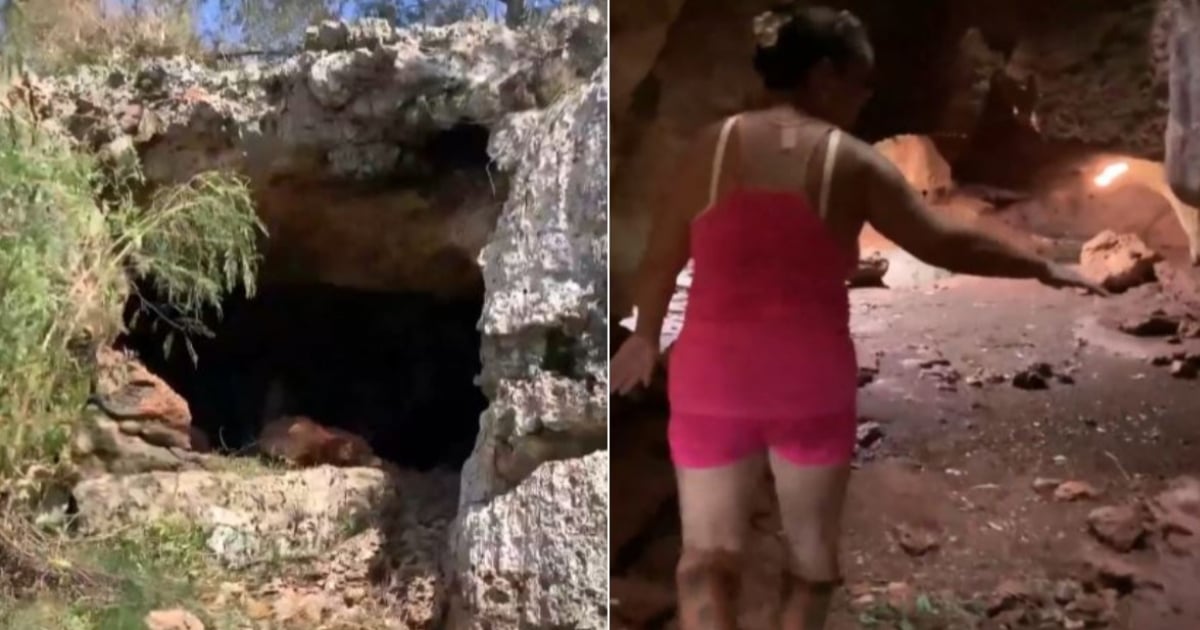
In eastern Cuba, the mountains became a sanctuary, and the caves, a lifeline. Osmel Guerra, a 53-year-old fisherman, and his family fled to higher ground as Hurricane Melissa wreaked havoc on Guamá.
"If we hadn't climbed the mountain, the hurricane would have killed us," Guerra told the Spanish news agency EFE. Just hours later, his home was gone.
Guerra is among the thousands still waiting for the materials promised by the government in 2012 after Hurricane Sandy, a Category 3 storm, tore the roof off his house.
"Things are bad. There's no resources, nothing at all. They used to put you in a car, take you to a shelter, and give you breakfast," he remarked.
Similarly, dozens of families from communities near Playa Francés chose to hide in natural caves rather than seek shelter in official facilities, fearing theft amid the chaos.
"The caves are our refuge, our rooms," said Saraí Villafañe, 47, showing reporters the interior of one cave as if it were home.
Images captured by EFE illustrate the disaster's magnitude in the hurricane's "ground zero" area.
Homes destroyed, roofs collapsed, roads blocked, and entire towns without phone service. It's estimated that 75% of mobile lines in eastern Cuba remain down, according to sources.
The World Food Program estimates approximately 700,000 people in Cuba need urgent assistance, with at least half requiring support over the next three months.
Before the storm's arrival, authorities in Yateras, a municipality in Guantánamo province, announced that several natural caves were being prepared as temporary shelters for the cyclone's passage.
"Evacuating to caves isn't a joke; it's a practical survival tactic that ensures safety where fragile homes would fail," wrote official spokesperson Carlos Pérez, defending the choice.
Even though authorities promised to implement hygiene and safety measures in the caves, there are significant doubts about the operational conditions and logistics needed to ensure the comprehensive protection of evacuees.
Melissa made landfall early Wednesday as a Category 3 hurricane, dumping more than 400 millimeters of rain in some areas and forcing the evacuation of over 735,000 people.
While there hasn't been an official damage assessment yet, testimonies reveal a silent devastation: lost homes, scarce food, and a population that, quite literally, survived among the rocks, reminiscent of the island's primitive settlers.
Key Questions About Hurricane Melissa's Impact on Cuban Families
How did Cuban families protect themselves during Hurricane Melissa?
Many Cuban families sought refuge in natural caves to protect themselves from the storm, avoiding official shelters due to fears of theft and chaos.
What challenges are Cuban families facing post-hurricane?
Cuban families are grappling with destroyed homes, lack of resources, disrupted communication lines, and the need for urgent aid, with many still awaiting government assistance promised years ago.
What measures are being taken for future storms?
Authorities have prepared natural caves as temporary shelters, emphasizing the practicality of using them for protection during severe weather, although concerns remain about their readiness and safety.